

When you buy silicone products for your business, working directly with an actual factory instead of a trading company can make a huge difference. Quality, price, delivery time, and the ability to create new products all depend on who you partner with. In today’s complicated global supply chain, knowing whether you’re dealing with a real manufacturer matters more than ever.
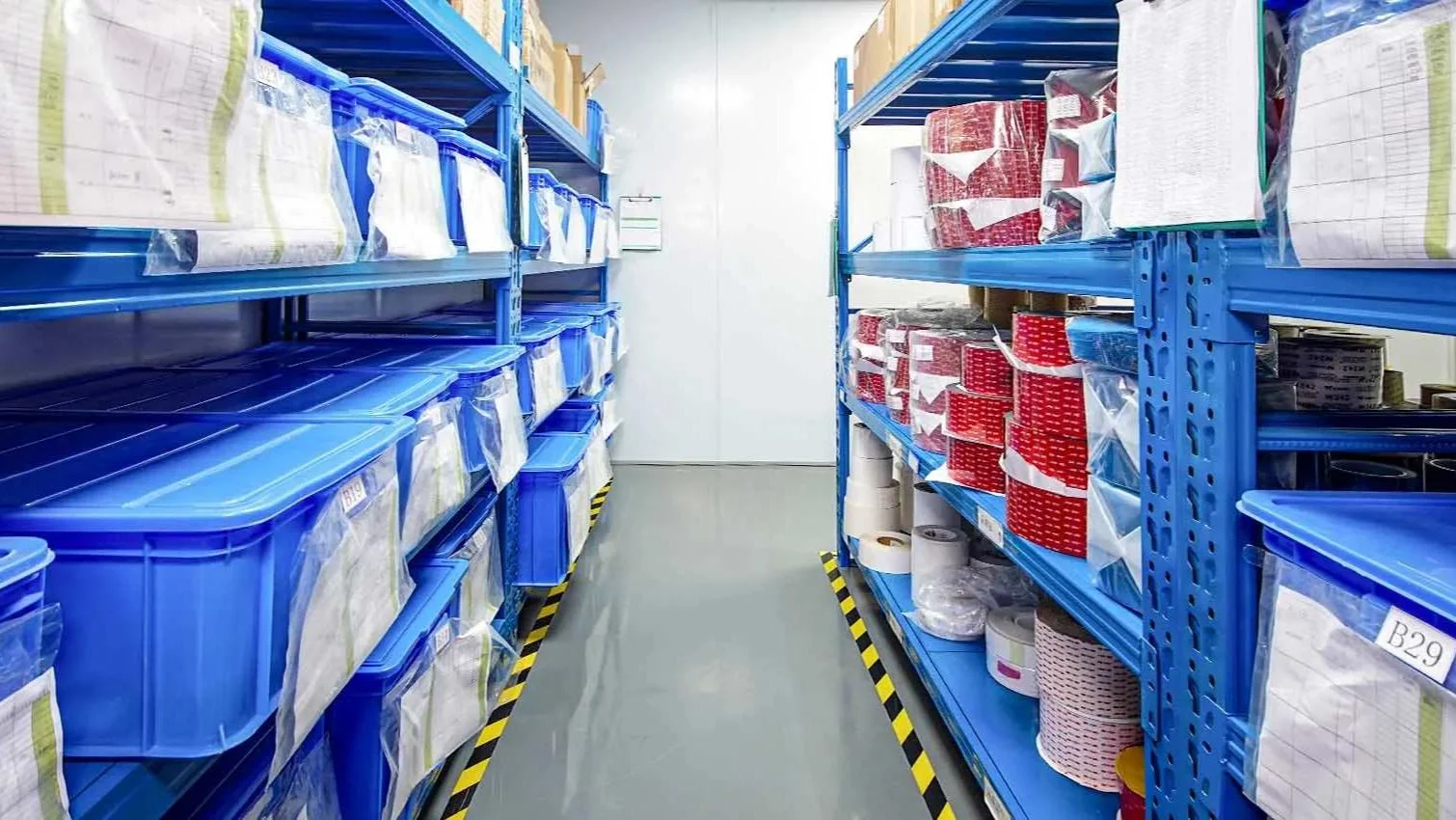
After starting the company, we have always focused on developing and producing products ourselves. We work with many different industries. This is what makes a true manufacturer like CASINDA. One of our senior materials engineers says, “When customers work directly with a factory, the material perfectly matches their needs. Traders can’t offer that kind of control.”
This article explains six important ways to tell a real silicone factory apart from a trading company. You’ll also learn exactly what to ask for when checking a new supplier. We’ve made a simple checklist infographic called “Factory vs Trading Company Checklist”.
6 Key Differences to Evaluate
1. Direct Control Over Material Quality and Traceability
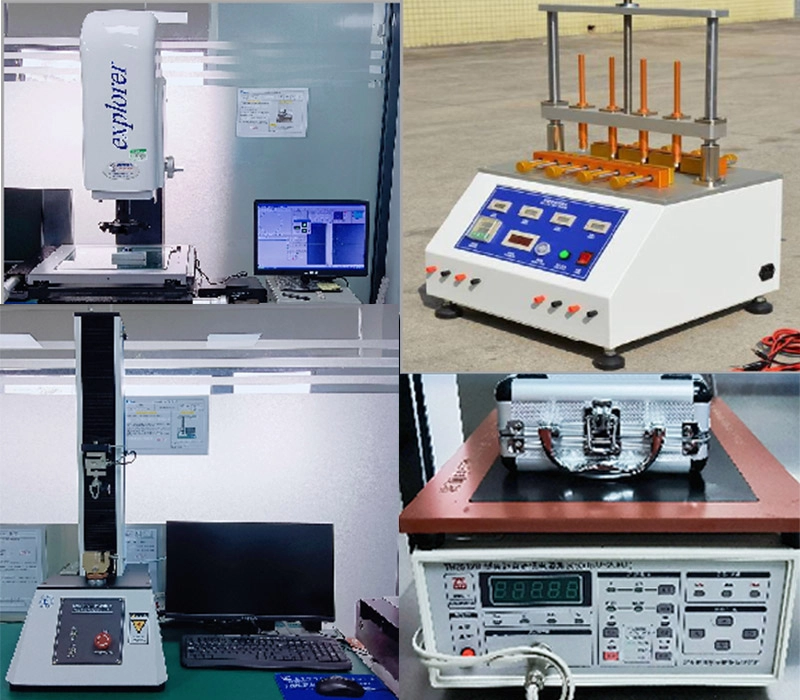
A real factory controls every step – from raw materials to the final product. This guarantees consistent quality and full traceability. CASINDA is certified with ISO 9001:2015 and ISO 14001:2015. We have our own mixing lines and testing labs. We own professional testing tools like Shore hardness testers, resistance meters, and precision measuring equipment. Every batch is tested in-house. Trading companies only get paperwork from others. They never see the actual production. Always ask for Certificates of Analysis (CoA), UL listings, and complete batch records. If they can’t provide these from their own facility, be careful.
2. Product Portfolio Depth and Genuine Expertise
Factories spend years on research and development. That’s why they offer many different silicone products: solid, sponge, foam, coated fabrics, and special composites, etc. CASINDA makes everything from O-rings and thermal pads to medical-grade silicone and conductive EMI shielding materials. Trading companies usually only sell the most common items. They rarely have deep technical knowledge. Only a real factory can control the rubber formula needed for high-temperature seals, high-voltage cables, or food-contact parts.
3. Customization and New Product Development Capability
Real factories can create new colors, hardness levels, shapes, or special features exactly for your project. CASINDA has modern liquid injection molding equipment perfect for prototypes and small runs. Our technical team has four technicians and two engineers with college degrees and many years of experience. They know silicone materials, molds, and die-cutting processes very well. They work together with customers to create the perfect ODM/OEM solution. Trading companies almost never have their own R&D team or test equipment. Usually they can only change color or packaging.
4. Technical Support and Problem-Solving Speed
When something goes wrong in your application (poor heat resistance, bad bonding, size changes), a factory can send engineers right away to fix the problem. CASINDA replies quickly: quotes in 1–3 days, samples in 7 days, technical help within 2 hours. Our team offers remote support or on-site visits when needed. Trading companies have to ask the real factory first. This causes delays and mistakes.
5. Supply Chain Reliability and Risk Mitigation
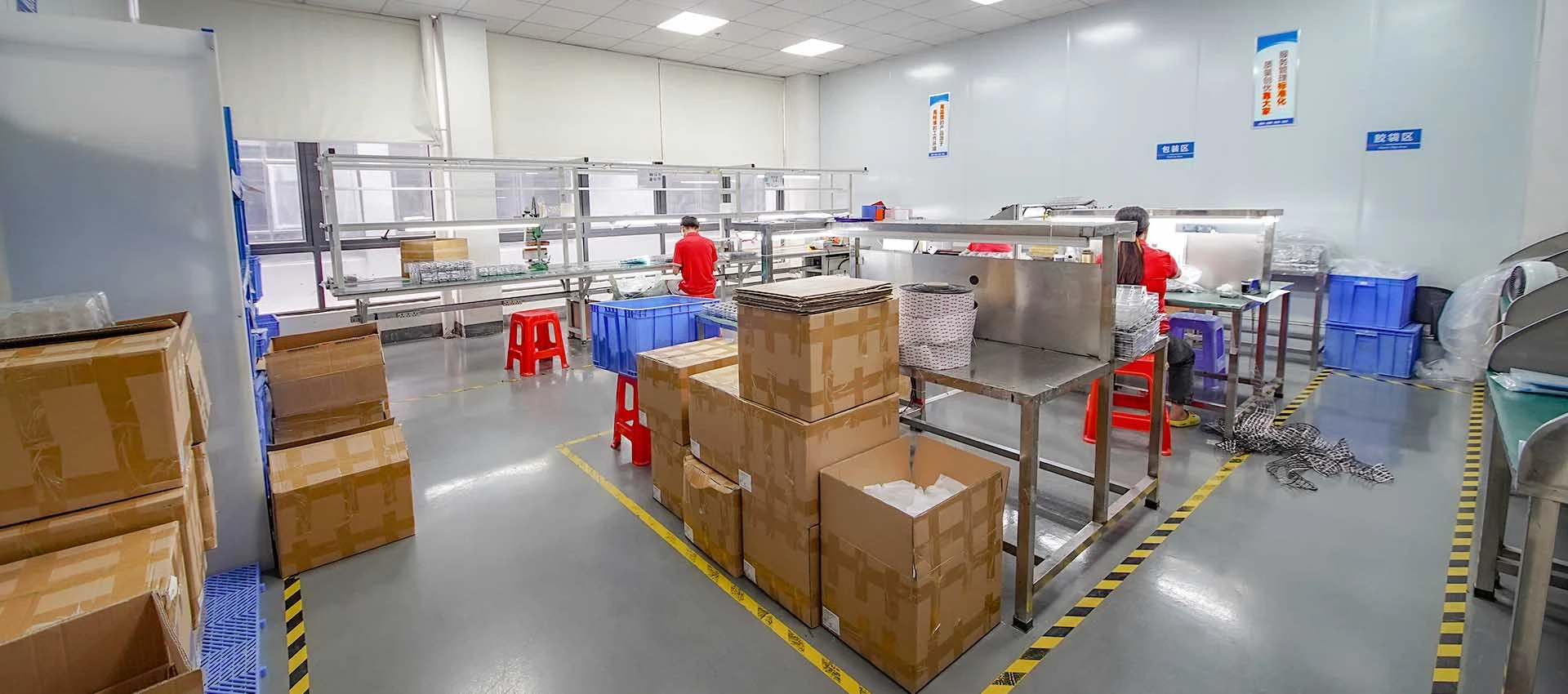
A factory controls its own supply chain. That means better protection against shortages, price spikes, or global problems. In 2022, CASINDA expanded the factory, increased production capacity, earned IATF 16949:2016 certification, and started exporting more. We keep safety stock in different regions and follow strict ethical rules (no forced labor, no conflict minerals). Trading companies usually don’t own anything. They can suddenly raise prices or disappear when the market changes.
6. Pricing Transparency and Long-Term Cost of Ownership
Factories have no middleman, so prices are fair and flexible. MOQs, tooling costs, and samples are more reasonable. CASINDA ships free samples worldwide in under one week. We never charge for normal testing samples. Trading companies add their profit margin and often charge extra for samples or force high minimum orders.
Key Takeaways Section
- Real factories test everything in their own labs and offer full traceability.
- Factories have wider product ranges thanks to years of R&D.
- True customization is only possible with direct factory access.
- Technical problems get solved much faster with real engineers.
- Factory supply chains are more reliable when the market is unstable.
- Direct pricing saves money in the long run.
As one CASINDA expert says: “Working with a real manufacturer gives you better performance, trust, and peace of mind – not just a low price.”
Want to check if your current supplier is a real factory? Contact a CASINDA sales engineer today. We offer free supplier audits and free samples shipped worldwide in under a week.
FAQ
Q: How can I quickly tell if a silicone supplier is a real factory?
A: Ask for a factory video tour, their business license (it should say “manufacturer”), and live photos of their mixing and molding lines. Real factories are happy to show these. Trading companies usually make excuses.
Q: Why do some suppliers quote much lower prices?
A: Trading companies shop around for the cheapest factory each week. Real factories have stable raw material costs and consistent quality – this saves you money long-term by avoiding defects and returns.
Q: Can a trading company make custom silicone formulations?
A: Almost never. They don’t have their own mixing or R&D labs. When you need special hardness, color, flame resistance, or food/medical approval, only a real factory can deliver reliably.


 English
  Arabic
  French
  German
  Italian
  Japanese
  Korean
  Portuguese
  Russian
  Spanish
  Vietnamese