ブログ

Compression Molding vs Injection Molding for Silicone: Pros, Cons, and Cost Factors

目次

When making シリコン製品, choosing the best molding method is a big deal. It affects quality, price, and how complicated the design can be. It’s helpful to understand how compression molding stacks up against injection molding for silicone. This matters a lot in areas like medical gear, baby stuff, pet items, kitchen utensils, and auto components. Both ways have their own strong points. They can change things like how good the product turns out, how fast you can make it, and what it costs in the end. This piece lays out a straightforward comparison. It points out the good sides, bad sides, and money issues for each. The aim is to give engineers, buyers, and partners solid info for better decisions.


Compression Molding vs Injection Molding for Silicone Pros, Cons, and Cost Factors

What is Compression Molding and What are the Typical Uses?

Compression molding begins by putting a measured chunk of silicone into an open mold. The silicone is often solid or thick rubber. Then, the mold shuts. Heat and force shape and harden it.

This approach is common across different fields. You’ll see it in things like:

  • Medical silicone pieces, such as parts for testing tools or wearable health gadgets.
  • Home kitchen goods like spatulas, baking liners, and mitts.
  • Car silicone items built to handle extreme heat.

Many silicone O-rings come from this process. They work as gaskets, covers for high-voltage wires, cables, and hoses for hot or cold conditions. These items do well with compression molding because it manages stiff rubber and bigger sizes easily.

Advantages of Compression Molding (Pros)

Compression molding brings some real pluses:

  • It’s easier on the budget for shorter runs. Perfect for testing ideas or small custom jobs.
  • It deals with tricky shapes without much trouble. Good for thicker areas or unusual rubbers.
  • It shines with big silicone pieces. You get more control over hardening in large spaces.

We run professional setups (oil molding). We’ve got several presses from 100T to 250T. This helps us adjust production while keeping things top-notch.

Disadvantages of Compression Molding (Cons)

Of course, it has downsides too:

  • It takes more time per piece. The mold has to cool fully before starting again.
  • Fine details aren’t its strength. Not the best for super tight measurements or very thin sections. 
    compression molding vs injection molding silicone1

What is Injection Molding and What are the Typical Uses?

Silicone injection molding—often with Liquid Silicone Rubber (LSR)—means shooting a two-part liquid mix into a closed, warm mold with strong pressure. It hardens fast and forms the part.

This works great for making:

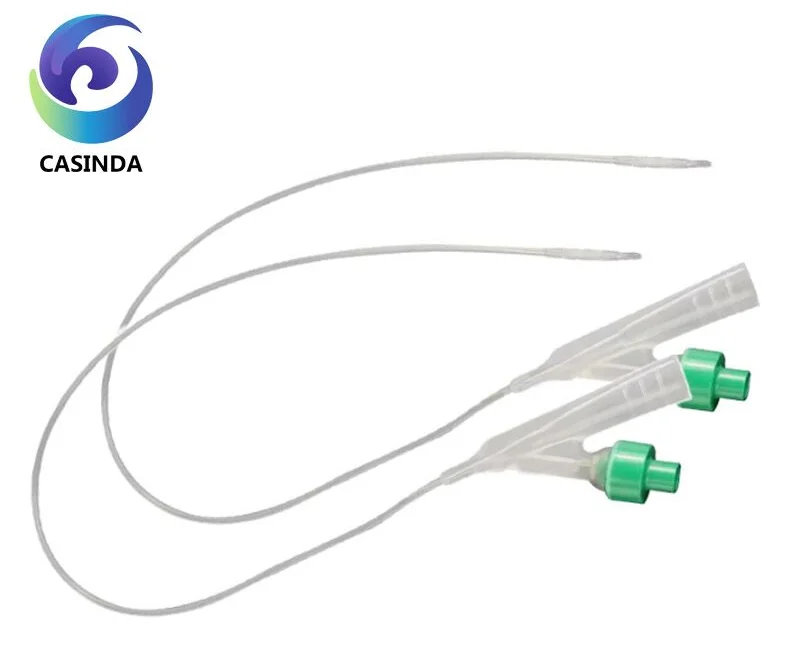
  • Small, detailed medical bits like seals for pacemakers or gaskets in test devices.
  • Pet gear, such as tough chew toys that stay soft.
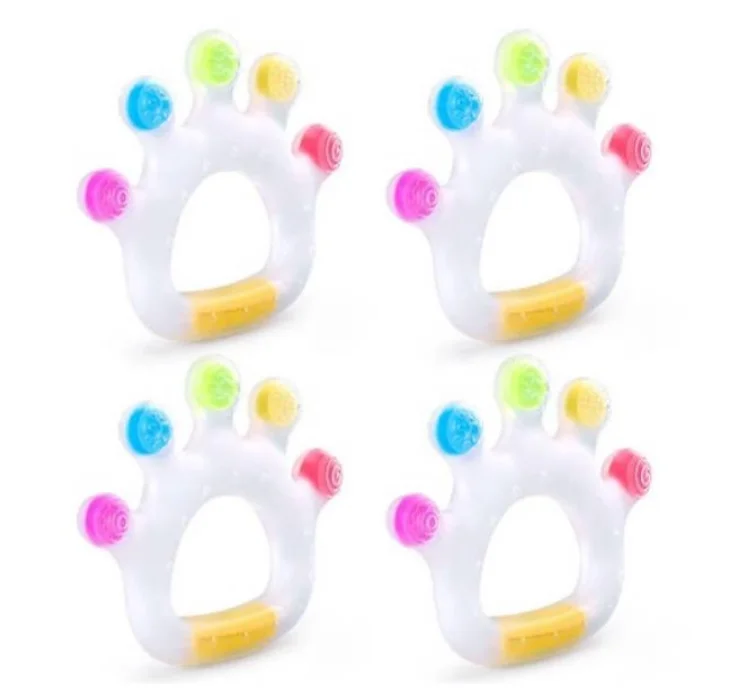
  • Baby things like pacifiers and cup lids where safety comes first.

Liquid silicone stands out with clear looks, strong tear resistance, good bounce, no yellowing, steady in heat, waterproof, breathable, and lasts well against weather and age. These features fit injection molding perfectly. It’s key when details and safety count most.

Advantages of Injection Molding (Pros)

The big wins for silicone injection molding are:

  • Top-notch accuracy and exact fits. Ideal for medical silicone items and electronics.
  • Easy to ramp up. Handles huge numbers with the same quality every time.
  • Less waste. Smart measuring and hardly any extra material.

Liquid hydraulic presses bring high-speed automation, precise shots, and curing. This means steady results and higher output.

Disadvantages of Injection Molding (Cons)

That said, it has hurdles:

  • Starting costs for molds are steeper. Tools are intricate and need automated setups.
  • Not the cheapest for tiny batches. The upfront spend doesn’t always make sense with low numbers. 
    compression molding vs injection molding silicone2

Cost Differences: Compression vs. Injection Molding for Silicone

Looking at money side by side for silicone:

  • Compression molding keeps early costs down. Molds are basic and quick to make. Better for limited runs or pieces that change often.
  • Injection molding asks for more money up front. But fast cycles, automation, and cheap per-piece at big volumes pay off in large jobs.

We follow a solid production system. We ship accurately and on time. Lead times for silicone items run 5 to 15 days. It varies with mold details. This setup works well for different budgets in either method.

Flexibility and Other Factors

Cost isn’t everything. Flexibility counts too when picking between them:

  • Compression molding gives more room to maneuver. It handles oversized or weird-shaped parts. Fine for rubbers needing extra time or special care.
  • Injection molding wins on sharp, complex designs. Best when every part must match exactly.

We own a skilled mold design and build center. We handle molds in-house. This way, we can fine-tune for compression or injection based on what clients need.


compression molding vs injection molding silicone3

Picking compression molding or injection molding for silicone comes down to a few things. Think about quantity, how tricky the part is, needed accuracy, rubber type, and spending limits. For large items or small orders with odd shapes, compression molding is practical and adjustable. But for big scale, tight precision, and reliable repeats—think baby or medical uses—injection molding takes the lead. It’s smart to team up with experienced folks like CASINDA with silicone ODM/OEM services. We deliver professional, high-quality, efficient work with a focus on developing and building products. That helps pick the right path for any job.

よくある質問

Q: What is the main difference between compression molding and injection molding for silicone?

A: Compression molding puts solid thick silicone in by hand into an open mold. Injection molding (usually LSR) forces liquid silicone rubber into a closed mold under pressure. It runs quicker and more automatically.

Q: Which method is more cost-effective for small production runs in silicone manufacturing?

A: Compression molding often has cheaper startup molds. It’s better value for low numbers or prototypes. Injection molding costs more at the start but gets economical with high volumes.

Q: Which silicone molding process offers higher precision and tighter tolerances?

A: Injection molding for silicone (mainly LSR) gives sharper precision, exact tolerances, and little waste. It’s great for complex medical gear, baby items, or anything needing perfect matches.

この投稿を共有してください:
コメントを残してください

以下のフォームに記入してください。ご連絡いたします。

jaJapanese