
米国食品医薬品監督管理局の規定に合致することは、食品接触、医療ツール、ベビー用品、日常用品用シリカゲル製品の重要な需要である。これらの用途には堅牢な材料だけでなく、安全と法的基準を厳格に遵守する必要があります。米国食品医薬品監督管理局の規定に合致しないと、役人の拒否、高価な製品のリコール、ブランドへの永続的な傷害などの大きな問題を引き起こす可能性があります。s画像である。
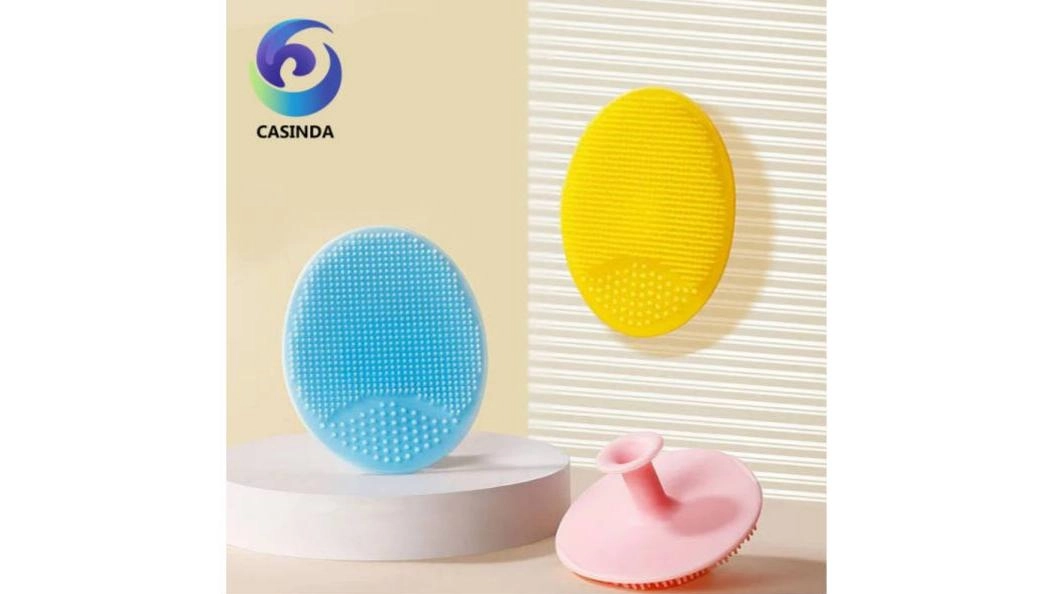
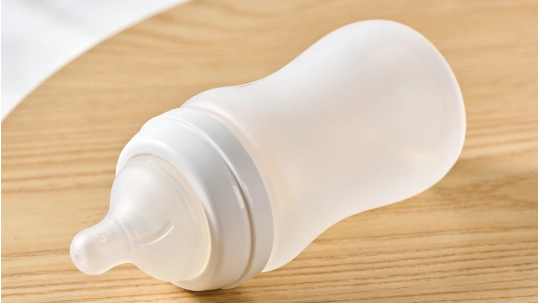
これらの危険を減らすために、製造元と会社はシリカゲル供給業者を検査するための明確な方法を使用しなければならない。米国食品医薬品監督管理局のシリカゲルコンプライアンスチェックシートは有用な審査ツールである。原材料の選別や工場管理から文書作成、サプライヤーの責任まで、製造プロセス全体をカバーしています。このリストは、敏感な用途のために厄介なシリカゲル部品を製造しているベンダーと付き合う際に重要です。例えば、M 521超音波ドップラー胎児心拍数モニターなどの医療機器や、食品安全用品、例えば 折り畳み可能なシリカゲルボトル.
米国食品医薬品監督管理局シリカゲルコンプライアンス検査表
1.米国食品医薬品監督管理局(FDA)のシリカゲル材料認証に適合
会議規則の核心は、基本的なシリカゲル材料が米国食品医薬品監督管理局のガイドラインに適合しているかどうかを検査することである。特に、食品接触を繰り返すためのゴム製品を含む米国食品医薬品監督管理局21 CFR 177.2600と適合しなければならない。良いサプライヤーは最初の原材料メーカーのFDAコンプライアンスに与えるべきだ。これらの文字はシリカゲルが必要な規則に合致していることを証明している。これらには、抽出可能な制限及び使用可能な条件が含まれる。例えば、これらには、温度範囲、接触タイプ(例えば、水性又は脂肪性)及び暴露時間が含まれる。
2.材料トレーサビリティとロット表示
厳格な市場では、製品の安全が常に保証されている必要があるため、トレーサビリティは重要です。各決勝戦. シリカゲル製品 原材料ロット、化合物ロット、製造日、製造ラインにさかのぼる必要があります。リコールや公式検査が発生すると、強力なロット番号システムと記録保存習慣が迅速に行動することができます。CASINDAは穏健な生産管理方法を採用している。これには、トレーサビリティの製造と正確な納入が含まれます。
3.シリコン原材料のサプライヤー制御
熟練したシリカゲル供給業者は、承認された原材料販売業者のリストを保持します。材料を切り替える前に、厳格な変更制御ステップも使用しています。工場に入る原材料は検査と検証を経て、品質の安定と規則の遵守を確保しなければならない。CASINDAは国内外の有名企業と持続的な重要なパートナーシップを構築した。これは、サプライチェーンが安定しており、検査されていることを示しています。
4.証明書(COA)とファイルの分析
製造ロットごとに分析証明書(COA)を添付する必要があります。硬度計の硬度、硬化状態、外観と規則的なコンプライアンスなどの主な特徴を詳しく紹介した。良好なファイル処理が鍵です。記録は安全で検索しやすく、内部品質設定と一致している必要があります。CASINDAはショア硬度計とデジタルスケールを含む専門の試験ツールを保持している。これにより、COAレポートの真のデータが確保されます。

5.製造プロセス制御
シリカゲル処理方法:液体シリコーンゴム(LSR)、圧縮成形、輸送成形にかかわらず、試験手順を遵守しなければならない。これらの工程は、潤滑剤、色、または外部物質の汚れを防止することができる。CASINDAの液体シリカゲル機械は注射と加硫の面で高い精度を持っている。私たちは安定した製品の品質を確保します。また、米国食品医薬品監督管理局の関連製品はクリーンスペースから供給されなければならない。これらの空間は空気粒子と交差汚れを減少させる。
6.添加剤、顔料及び着色剤のコンプライアンス
顔料や可塑剤などの余分なものは、米国食品医薬品監督管理局の承認を得なければ使用できない。移行および抽出可能な特徴は、法的制限の範囲内に維持されている必要があります。サプライヤーは声明を提供し、色母粒のFDA状態を確認しなければならない。コンプライアンスを変える可能性のある成分の変化にも注意する必要があります。
7.ポストキュア、クリーニング、二次操作
後硬化は、シリカゲル部品上の緩い残留物を除去するために一般的に使用される。成形後のトリミング、組立、超音波溶接または包装などの任務は、清潔な処理方式を用いてコンプライアンスを維持しなければならない。CASINDAは完全な後処理スキルを提供し、ステップごとに品質検査を行っています。
8.品質管理システムと米国食品医薬品監督管理局の準備状況
サプライヤーはISO 9001:2015またはISO 13485などの明確な医療製品品質管理システムの下で運行しなければならない。これらの設定は、ドキュメントの制御、トレーニング、内部チェック、継続的な改善に役立ちます。CASINDAは2018年にISO 9001:2015とISO 14001:2015の認証を取得した。これは、ルールへの強い一致を示しています。また、顧客または米国食品医薬品監督管理局の検査における過去の支援は、サプライヤーの仕事レベルに対する信頼を確立した。
9.記録保存と監査サポート
厳密な分野では、コンプライアンス記録を5~10年以上保存することが一般的です。ベンダーはお客様の迅速な検査を支援する必要があります。これは、トレーサビリティ、COA、材料声明、プロセス証明に関する書面を提供することによって達成されています。CASINDAの品質チームは専門のIQC/IPQC/OQCスタッフを持っている。自動テストツールを使用しています。これにより、検査状況における文書作業が確実に行われることが保証されます。
10.シリカゲルサプライヤーに提出した重要なFDAコンプライアンス問題
可能性や現在のシリカゲル供給業者をチェックする際には、主な質問をすることが重要です。これらの問題は、ルールの準備状況をテストします。
- アメリカ食品医薬品監督管理局21 CFR 177.2600に適合していることを証明する資料証明書を提供できますか。
- 各製品はどのくらい前にさかのぼることができますか。
- 原材料またはプロセスの変更通知プロセスは何ですか。
- 米国食品医薬品監督管理局または第三者審査に合格しましたか。
プロバイダは、これらの質問に自信を持って回答し、文書作業を通じてサポートします。これは、法的要件を安定的に満たすことを望んでいることを示しています。
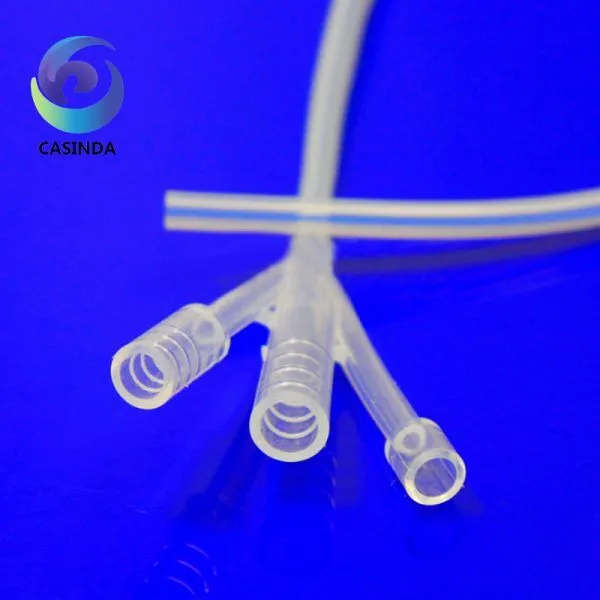
食品レベル、医療機器、または消費者安全分野のメーカーにとって、fda承認を得たシリカゲル源は、認証された原材料を購入するだけではありません。サプライチェーン全体の完全なオープン化が必要です。専門技術に基づいて、優れた品質と安定した進歩を追求し、お客様に安全で良質な製品を提供します。米国食品医薬品監督管理局のシリカゲルコンプライアンス検査表は、新規サプライヤーの検査や既存サプライヤーの審査に明確な枠組みを提供している。これにより、ルールリスクが軽減されます。最後に、米国食品医薬品監督管理局と一致するシリカゲル製造パートナー、例えば カシンダ 品質、迅速な応答、ルールの信頼に基づく長期的な関係を構築することを意味します。
よくある質問
Q:FDAが承認したシリカゲルとは?
A:米国食品医薬品局が承認したシリカゲルは、シリカゲル材料が米国食品医薬品局の規定に適合していることを意味し、例えば「米国連邦法規」第21編第177.2600条は、食品接触や医療業務などの特定用途に適用される。これは、米国食品医薬品局が最終製品を承認したことを意味するものではない。しかし、これは確かにこの材料が既定の安全要件を満たすことを意味します。
Q:米国食品医薬品監督管理局が承認したシリカゲルは食品やベビー製品に安全ですか?
A:はい、適切に作られ、適切に処理されていれば、米国食品医薬品監督管理局が承認したシリカゲルは食品級製品、ベビーケア用品、日常用品に広く応用されています。安全は原材料のマッチングと製造工程の観察に依存する。
Q:私はどのようにサプライヤーが本当に米国食品医薬品監督管理局が承認したシリカゲルを使用しているかを検証しますか?
A:FDAコンプライアンス文書、材料トレーサビリティ記録、分析証明書(COA)の提供を要求する必要があります。要求される場合、熟練したFDAが承認したシリカゲル供給業者は完全な文書を提供しなければならない。
 Japanese
  English
  Arabic
  French
  German
  Italian
  Korean
  Portuguese
  Russian
  Spanish
  Vietnamese