
In the production and design of industrial silicone items, one key factor that greatly impacts function, lifespan, and safety is Shore A hardness. This applies to silicone tubing, seals, gaskets, or medical-grade parts. The measurement decides how a silicone component will act under physical stress and environmental factors.
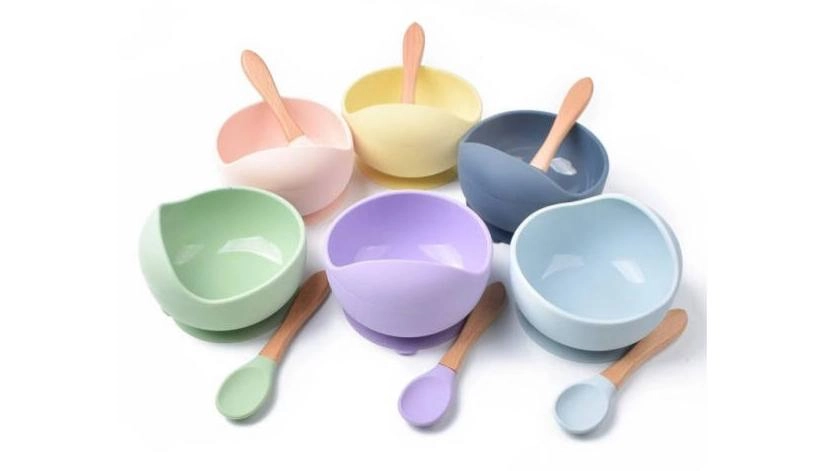
Silicone materials are valued for their special mix of flexibility, resistance to chemicals, and ability to handle temperature changes. Yet these qualities can shift a lot based on hardness. For companies like CASINDA, which focuses on creating and making silicone rubber products for fields such as electronics, medical devices, and food-grade uses, choosing the right Shore A hardness is vital. It helps deliver reliable and safe solutions.
What is Shore A Hardness?
Shore A hardness is a standard scale from 0 (very soft) to 100 (quite hard). It measures how well silicone resists indentation with a durometer tool. Lower values mean softer, more flexible silicone that bends easily under pressure. Higher values mean harder, more stiff silicone that resists deformation better.
For instance, a 50 Shore A silicone will compress and bend more easily than an 80 Shore A one. This scale offers a dependable way to predict how the material will perform in use. It is crucial for quality checks and product comparisons. At CASINDA, professional testing tools like the Shore durometer ensure precise hardness readings across their broad range of silicone products. We have a reliable quality team and professional testing equipment, which includes 1 Shore durometer.
How Shore A Hardness Influences Silicone Product Performance
Shore A hardness directly affects several aspects of silicone product performance:
- Softer silicones (lower Shore A): These provide excellent compression and flexibility. This makes them perfect for uses that need to conform to uneven surfaces or dynamic sealing, such as soft O-rings or cushioning. However, their softness can become a drawback in high-pressure situations. They may deform too much or squeeze out from openings.
- Harder silicones (higher Shore A): These offer better structural support and resistance to wear. This is important for high-pressure sealing or environments with abrasion. The downside is less elasticity. They may not seal well if surfaces have flaws.
Key trade-offs include:
- Flexibility versus mechanical strength
- Compression sealing versus extrusion resistance
- Installation ease versus longevity
- Application safety—incorrect hardness may lead to functional failures
For manufacturers like CASINDA, which serve industries from medical to consumer electronics, balancing these trade-offs is crucial. We adhere to the enterprise creed, professional technology as the core, and customers win-win future. Proper hardness selection ensures parts meet operational needs without early failure or safety issues.
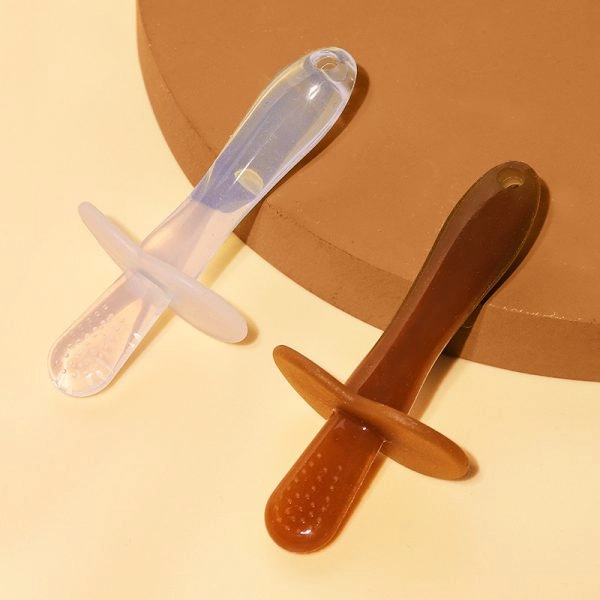
How Hardness Affects Specific Applications
シリコーン折り替え式電話スタンドの利点
Silicone tubing is used in many areas, from peristaltic pumps to industrial fluid lines. The needed hardness depends on the conditions:
- 25–40 Shore A: Tubing in this range stays very flexible and resists kinking under low pressures. It is often used in peristaltic pumps or biomedical settings, like patient tubing where comfort and bendability matter most. Medical-grade silicone products sometimes use ultra-soft 10–15 Shore A versions for prosthetics or liners.
- 70–80 Shore A: In this range, tubing gets more rigid. It resists collapse under vacuum or high pressure. This fits industrial applications where durability is more important than flexibility.
CASINDA’s wide product line benefits from precise oil molding and liquid molding processes. These allow tight control over hardness levels. We have professional production equipment (oil molding), including multiple oil presses ranging from 100T to 250T.
Seals and Gaskets
For seals and gaskets in dynamic or static sealing setups:
- Around 50 Shore A: Great for low-pressure sealing. The gasket must deform easily to fill surface flaws. Soft gaskets are common in electronics cases or appliance doors.
- 70 Shore A: Provides a balanced mix with moderate elasticity and good wear resistance. This is the standard for O-rings and general-purpose gaskets.
- 80–90 Shore A: These harder silicones give excellent extrusion resistance. They are often used in hydraulic systems or heavy-load mechanical parts.
CASINDA offers customized gaskets and seals through die cutting and molding methods. We have professional production equipment (die cutting processing), with capabilities such as laminating machines and precision die cutting tools to tailor products by hardness and shape.
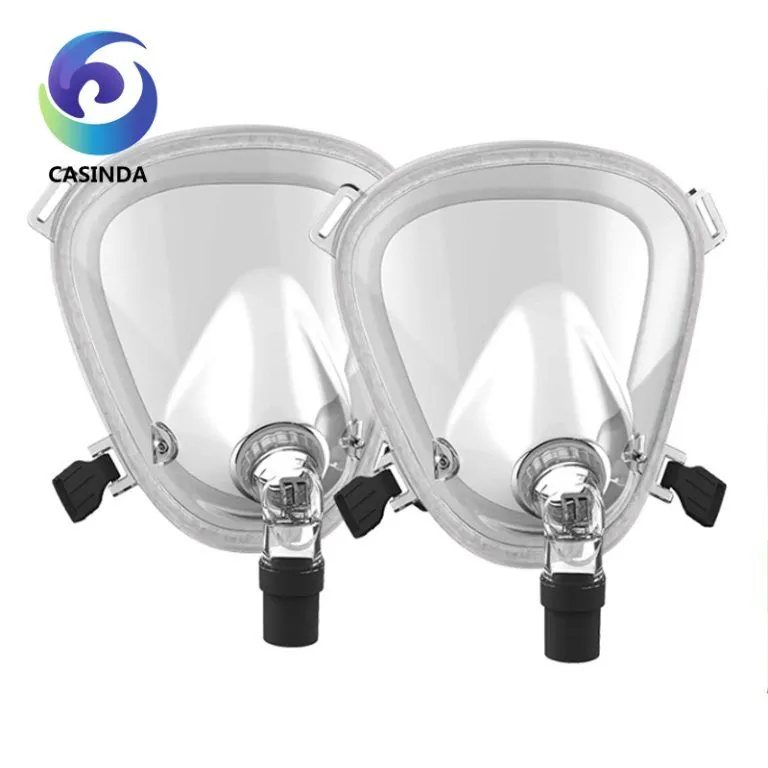
Medical-Grade Silicone Products
In the medical field, comfort, biocompatibility, and softness are key:
- 10–15 Shore A: This ultra-soft silicone feels like human tissue. It is used in prosthetics, orthotic liners, or implantable devices.
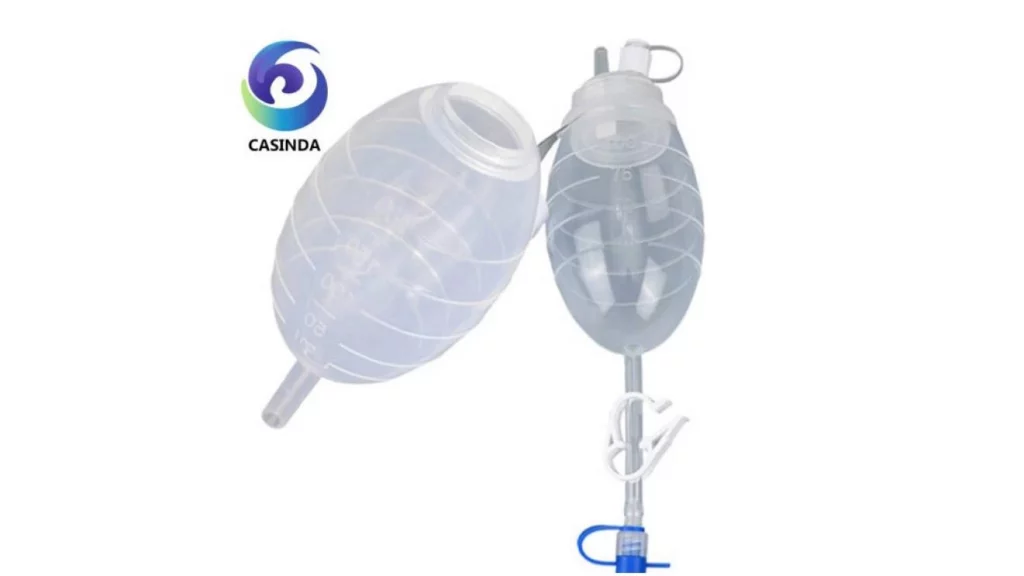
- Around 50 Shore A: Used for tubing and catheters. Flexibility must balance with enough structure to avoid collapse during insertion or fluid flow.
Devices like CASINDA’s fetal monitoring solutions show this need. M521 Ultrasound Doppler Fetal Heart Rate Monitor detects the fetus’s heart rate using ultrasound Doppler principles. It includes soft-touch silicone interfaces that provide patient comfort without affecting performance.
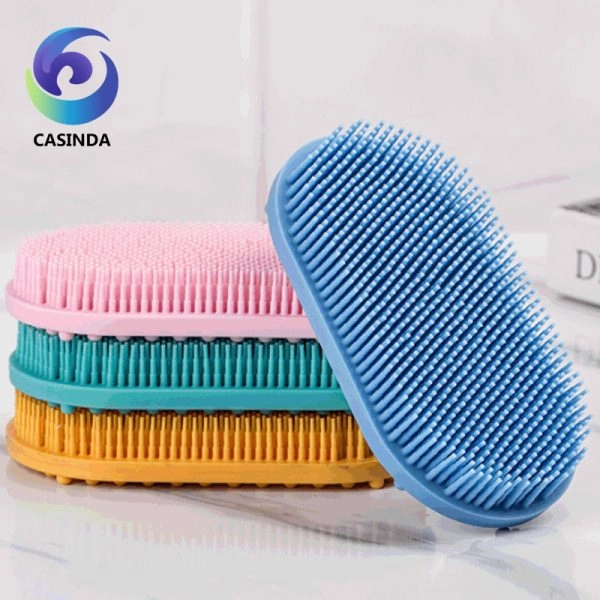
Shore A hardness plays a major role in the performance of every silicone product made by CASINDA. This covers high-pressure gaskets to medical-grade tubing. Matching hardness to the specific needs of your application—whether flexibility for medical use or rigidity for industrial pressure—ensures reliability, long life, and safety.
The company’s ability to provide tailored silicone solutions comes from its strong setup: We have a reliable production management process, accurate and fast delivery of products supported by advanced molding systems and a dedicated mold processing center established in 2022. For exact application matching, always check product data sheets or talk to technical experts like those at CASINDA. We offer quick quote (within 1–3 days), sample fast (within 7 days for silicone products). This ensures your product meets performance needs from design to use.
よくある質問
Q: What is the most common Shore A hardness for general silicone products?
A: The most common range for many silicone products, such as O-rings and gaskets, is 50–70 Shore A. It provides a good balance of flexibility and durability.
Q: How does lower Shore A hardness benefit silicone products?
A: Lower Shore A (e.g., 25–40) improves flexibility and compression in silicone products. This makes them ideal for sealing uneven surfaces or uses that need easy deformation, like soft tubing.
Q: Can Shore A hardness be customized in silicone products?
A: Yes, manufacturers can accurately control Shore A hardness during molding. This meets specific needs, from ultra-soft (10–15) for medical silicone products to harder (80–90) for high-pressure uses.
 Japanese
  English
  Arabic
  French
  German
  Italian
  Korean
  Portuguese
  Russian
  Spanish
  Vietnamese