
What Is Silicone Color Matching?
Silicone color matching means carefully adjusting the shade, tone, and clearness of silicone to meet exact needs in different fields. Silicone is a synthetic material made mostly from silicon, oxygen, carbon, and hydrogen. It is popular because it bends easily, lasts long, and handles very hot or cold temperatures well. You find it in medical items, car parts, electronics, and regular consumer goods.
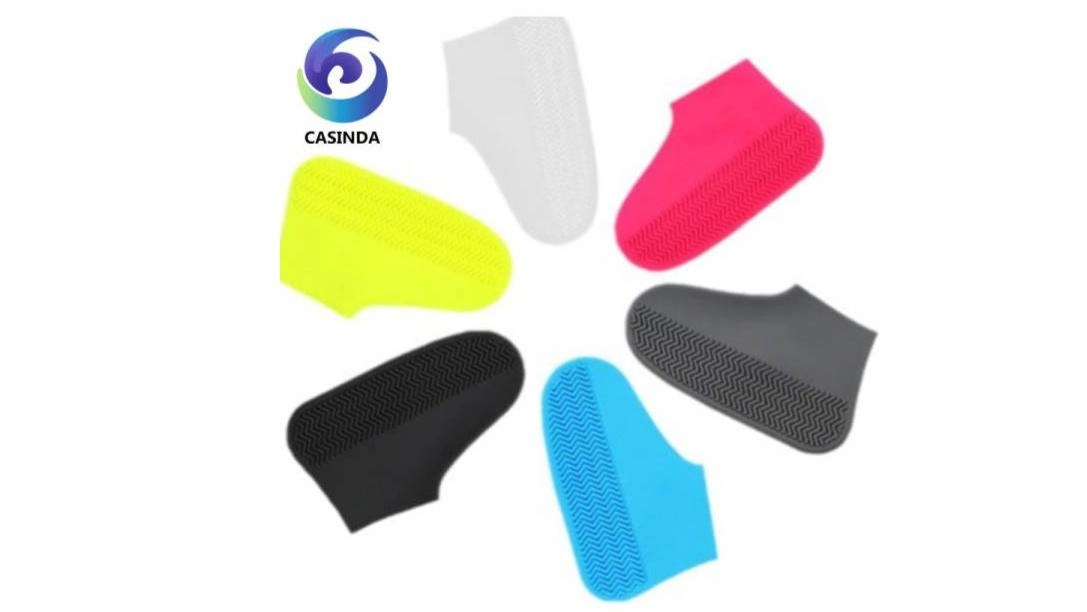
Getting the color right in silicone is important for more than just appearance. It helps with how the product works and strengthens brand image. In business deals, where standing out, clear controls, and meeting rules matter a lot, accurate colors can make customers happier and help sales. For example, medical equipment needs safe colored parts. Promotional products have to match company logos exactly. Reliable custom colors really help.
Key Techniques for Silicone Color Matching
Common Ways to Match Colors
Experts use a few main methods to get steady colors in silicone pieces. These are masterbatch pigment mixing, adding pigments right into the mix, and blending liquid colors. The best choice depends on whether it’s solid or liquid silicone rubber (LSR) and how many items are being made.
Masterbatch means pigments already mixed into a base that works with silicone. It is great for big production runs because the color stays the same every time. For smaller orders or early samples, adding pigments or colors directly while mixing gives more freedom. With liquid silicone, special pumps add color straight during molding. This keeps everything precise and quick.
How to Get Exact Color Matches
To match colors precisely in silicone, start by choosing the right pigment or colorant. Use a reference like a Pantone number or a real sample. Add it to the silicone before it hardens and mix well. For good results:
- Weigh the pigments or liquid colors accurately.
- Stir everything thoroughly so the color spreads evenly.
- Keep temperature and curing time under close watch.
- Make a small test piece, mold it, and cure it to see the color.
- Adjust if needed after looking at it or using a machine to measure.
For liquid silicone, color goes right into the mold with exact amounts. This lets you make various colors fast and reliably. It gives the right shade every time, even in large batches.
Advanced Customization Choices
Modern silicone making offers lots of options beyond plain colors. OEM buyers often ask for perfect Pantone matches to fit their brand. Factories can also make special blends with light pastels, semi-clear looks, bright neons, or glow effects to suit designs.
Buyers can choose their own color. This lets companies create special silicone items that fit their look and help them in the market.
Pigments vs. Colorants in Silicone Coloring
Benefits of Silicone Pigments
Silicone pigments are highly concentrated solids built to mix perfectly with silicone rubber. They give strong, bright colors that resist fading from light and stay stable in heat.
Silicone’s structure and chemistry provide features other materials lack: high absorption, solid heat resistance, and reliable chemical traits. This makes pigments suitable for tough conditions like high heat or sunlight.
When to Choose Silicone Colorants
Liquid colorants work well for small jobs or prototypes. They blend in fast and easily into the silicone. This allows quick tweaks. They are ideal when you need samples soon.
Quick sampling (within 7 days for silicone products…) pairs nicely with liquid colorants in projects where getting to market fast is key.
Best Tips for Choosing
Picking pigments or colorants depends on a few things:
- Production Size: Pigments cost less for large amounts; colorants are better for small ones.
- Color Strength: Pigments create deeper shades; colorants suit lighter or clear tones.
- Opacity Level: Pigments work for solid colors; colorants are good for see-through ones.
- Usage Conditions: Hard environments need pigments for their better durability.
Keeping Colored Silicone Safe and Compliant
Colored silicone has to stay safe, especially for food or medical uses. Any added pigments or colorants must be non-toxic, stable after curing, and follow rules like FDA, LFGB, RoHS, and REACH.
To give customers top-quality, safe items and build strong relationships. Factories test the materials carefully under heat, chemicals, and wear. This makes sure safety holds up with color added.
OEM Needs for Custom Color Matching
Silicone OEM customers expect perfect looks and the same color every batch. The usual process involves:
- Providing a real or digital color example.
- Creating small lab tests with the matched color.
- Waiting for customer okay after checking.
- Checking batches match using special color machines.
- Adding the color to regular molding or cutting steps.
CASINDA have an expert mold design and making center with our own mold creation and production. This allows good control over the whole process and fast changes for OEM requests.
Uses of Color-Matched Silicone in Different Fields
Food-Grade and Everyday Products
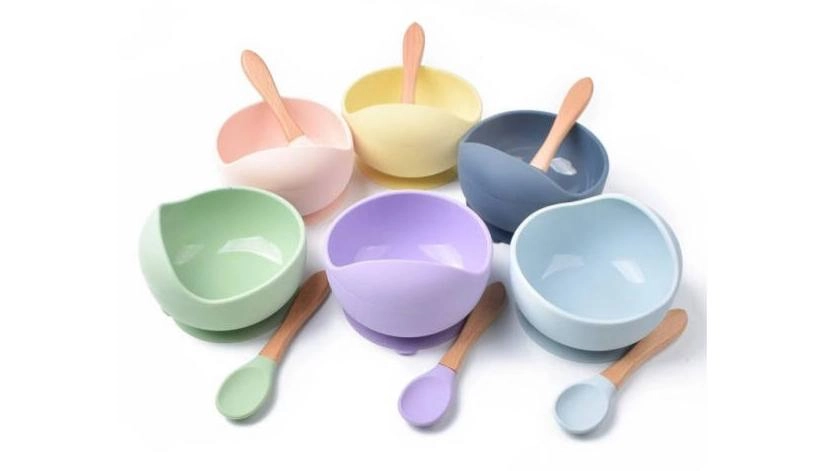
Things like baking pans, collapsible bottles, lids, baby goods, and promo items often want fun, safe colors.
Made from food-safe silicone with no BPA (Bisphenol A), these keep everything safe and free of toxins. They resist heat up to 100°C. You can get them in popular colors that customers like.
Medical and Healthcare Applications
In healthcare, silicone parts need to be body-safe and easy to identify by color. They appear in tubes, seals, wearables, and infant products.
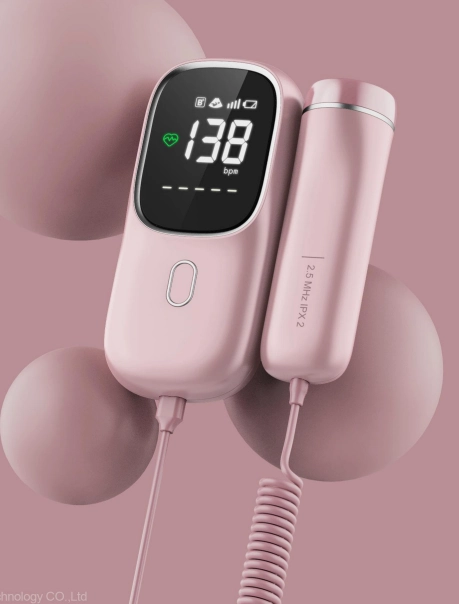
M521 Ultrasound Doppler Fetal Heart Rate Monitor… finds baby heartbeats using ultrasound Doppler. It is a Class II medical device. These often use colors to make them easier to use while following tough standards.
Electronics, Automotive, and Industrial Uses
Colored silicone is important for gaskets, seals, buttons, and cases. Colors help quickly spot parts in complicated or hot areas.
Silicone buttons handle heat well… pressure load: 20 to 500 grams… lifespan: 0.5 to 30 million presses. This makes them great for lots of use under stress.
B2B Factors: Customization, MOQ, and Certifications
When buying custom-colored silicone for business, consider these points:
- Customization Range: Includes Pantone matches and special effects like semi-clear or glow.
- MOQ (Minimum Order Quantity): Often 500–1000 pieces, depending on details.
- Certifications: Important ones are FDA (food-safe), LFGB (European food), RoHS (electronics), REACH (chemicals).
- Batch Reliability: We have a solid quality team and good tools like YVM spectrophotometers and digital calipers. These keep colors consistent in every run.
Good suppliers offer complete help—from advice to fast samples (Sample fast (within 7 days for 실리콘 제품))—and stick to standards like ISO 9001:2015 and IATF 16949:2016.
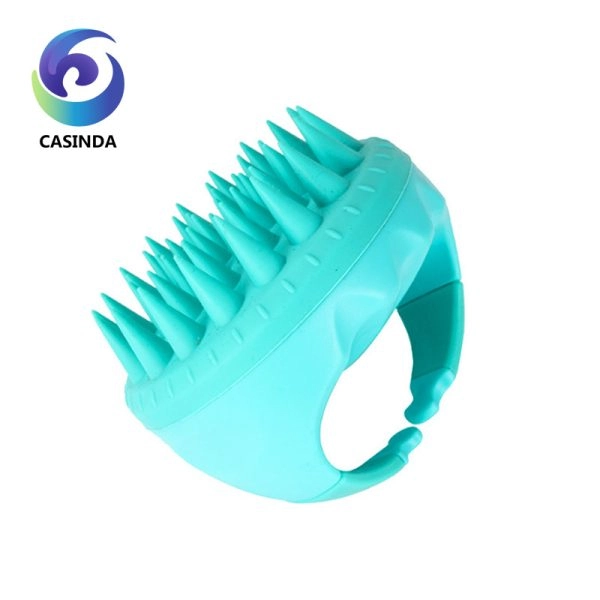
Getting silicone colors just right is key for making safe, practical, and brand-matching products in many areas. Using strong pigments or easy liquid colorants helps achieve the perfect shade. This boosts looks and usefulness. For OEMs and business buyers, teaming up with reliable factories that provide expert, quality, efficient work, quick replies (Quick quote (within 1–3 days)), and strong certifications brings long-term wins with eye-catching colored silicone parts.
FAQ
Q: What are the main benefits of silicone pigments compared to regular ones?
A: Silicone pigments are made just for silicone rubber. They mix better, hold color longer, and avoid bleeding or moving during curing or over time.
Q: Can silicone pigments go into food-grade or medical-grade products?
A: Yes. Plenty of silicone pigments are FDA-approved and body-safe. They maintain the silicone’s non-toxic nature and meet high safety levels.
Q: How do silicone pigments change the product’s physical traits?
A: If picked right, silicone pigments hardly affect bendiness, strength against tears, or heat tolerance. They fit into the silicone without hurting its key features.
 Korean
  English
  Arabic
  French
  German
  Italian
  Japanese
  Portuguese
  Russian
  Spanish
  Vietnamese