
Understanding Silicone Baking Molds
The Benefits of Using Silicone Baking Molds
Silicone baking molds have changed modern kitchens. They offer flexibility, strength, and heat tolerance. Their bendy design lets baked items pop out easily. This avoids damage. It also skips heavy greasing or parchment paper. The non-stick feature gives a neat release. It cuts down on mess in baking.
Silicone handles high temperatures well. It works in ovens and freezers. It spreads heat evenly over the area. This leads to steady baking outcomes. There are no scorched sides or raw middles. Even heat helps with fragile pastries and cakes. These need exact heat levels.
Rubber (Silica gel; Rubber) is a very active absorbent material. It stays in an amorphous form. Its chemical formula is mSiO2 · nH2O. It does not dissolve in water or any solvent. It is harmless and scent-free. It has steady chemical traits. It reacts only with strong bases and hydrofluoric acid. These qualities make silicone perfect for food-safe molds. It is secure, without smells, and resists chemical changes.
Plus, silicone’s toughness allows long use without warping or breaking. It keeps its form after many hot or cold exposures. Many makers use top-quality silicone. This matches stuff in industrial uses like O-rings or thermal pads. It gives great bounce-back and steady work.
Types of Silicone Baking Molds Available
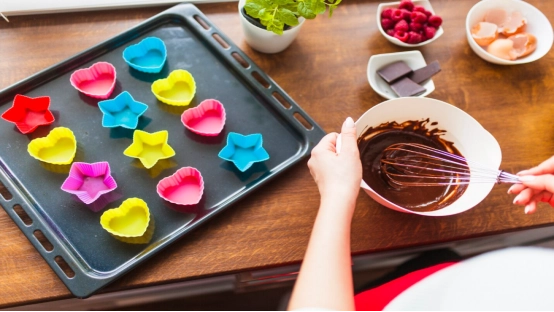
Silicone baking molds appear in many forms and dimensions. They fit different cooking tasks. You find basic loaf pans and muffin tins. There are also fancy shapes like flowers, hearts, or simple patterns. Special molds suit events like holidays or birthdays. Bakers can make pretty treats without effort.
It shows great clarity, rip strength, bounce, fade resistance, heat steadiness, water resistance, good air flow, heat aging resistance, and weather resistance. It flows well, is simple to handle, and makes clear products. These traits let makers create detailed mold shapes. They keep the build solid.
Pick a mold for a recipe by checking size fit for your oven. Think about silicone thickness, which changes firmness. See if the style matches your mix’s thickness. For instance, thick batters suit deeper molds. Lighter mixes do better in shallower ones. These help even cooking.
Techniques for Preparing Silicone Baking Molds
Prepping Your Mold Before Baking
Most silicone molds stick little naturally. But good prep gives the best outcomes. Begin by washing the mold with warm soapy water. This removes factory leftover or old oil. Let it dry fully before using.
For the first time or sticky mixes like caramel or fudge brownies, add a light coat of butter or spray. This boosts release without harming the non-stick side.
We have a strong technical team. It brings years of industry know-how. The team knows silicone making steps and material traits well. Such skills make sure high-quality food-grade silicone molds work best in different settings.
Filling Silicone Baking Molds Correctly
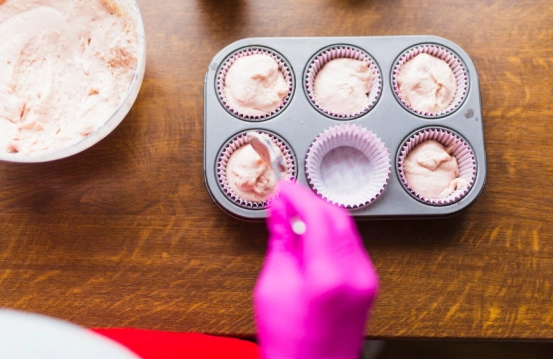
Fill your silicone baking mold evenly across the spots. This ensures even cooking. Use a spoon or piping bag for accuracy in small shapes like mini cupcakes or chocolates. Do not fill over two-thirds full. This stops spills as it rises in the oven.
Put the bendy mold on a firm baking sheet before adding mix. This gives support when moving to the oven. It matters for runny batters that might spill.
Achieving Perfect Release with Silicone Baking Molds
Tips for Ensuring a Smooth Release
After baking, let the item cool enough before taking it out. Cooling helps it set a bit. It pulls away from the walls on its own. Then, softly bend the mold sides or push from below. This frees items without ripping soft parts.
The silicone rubber foot pad looks nice. It stops slips, bumps, shakes, and handles heat. This built-in bend also aids easy removal without harming baked items.
For detailed shapes like bundt cakes or molded chocolates, a short fridge chill helps. It shrinks the material a touch for easier release.
Troubleshooting Common Release Issues
If it sticks even after good prep, check for leftover bits after washing. Sticky areas might come from sugar hardening or not enough cooling. Change bake times too. Underbaked items stick more than set ones.
Heat differences affect feel. If sides brown fast but middles stay soft, lower oven heat a bit. Or add time slowly until results balance.
Care and Maintenance of Silicone Baking Molds
Cleaning and Storing Your Silicone Molds
Good care makes your mold last longer. Wash it right after use with gentle soap. Skip rough scrubbers that might mark the surface. For tough grease, soak in warm water with vinegar. Then rinse well.
Dry it fully before putting away. Wetness in creases can lead to bad smells later. Store flat in drawers or hang on hooks. This avoids shape loss.
The stored mold needs a clear spot. After return, reset it and place in the right spot. The same care in kitchen setup helps keep shape over many uses.
Extending the Lifespan of Your Silicone Molds
Do not put molds near open fire or sharp tools that might poke holes. Avoid slicing baked items inside the molds. Move them to a board first.
To keep non-stick working over time, limit oily sprays with lecithin buildup. These can coat surfaces. Use light neutral oil brushes if needed.
High precision: liquid silicone machine offers exact injection and curing steps. It ensures silicone products have true sizes and steady quality. Kitchen-grade silicones from CASINDA keep these traits through many heat rounds when cared for right.
Exploring Creative Uses of Silicone Baking Molds
Beyond Baking: Innovative Applications
Silicone’s range goes past regular baking. Use these molds from CASINDA to freeze purees into small blocks. Make home soaps or candles. Shape chocolate bits. Or form ice balls for drinks.
Thermal conductive silicone fits many electronic items. It fills for heat transfer. This shows how flexible silicone is in fields. From electronics to food art, it stays stable in varied setups.
Creative cooks use small molds as holders for sauces or desserts like panna cotta. They give fine looks without extra plates.
실리콘 생산에 대한 Casinda의 전문 지식에 대한 개요 from CASINDA offer great options for sweet treats. Meanwhile, silicone chocolate molds handle detailed designs with ease.
Experimenting with Unique Recipes in Silicone Molds
Silicone baking molds spark trials. They work across temps from freezer sweets like semifreddos to oven dishes or breads. Delicate feels, like mousse cakes, gain from simple release. This keeps fine lines.
Old recipes can shift by tweaking bake times. Silicone insulates unlike metal pans. It often needs a bit more time. But it gives damper insides from less side browning.
Pair right methods with quality stuff made by advanced molding tech. As in factory processes, home bakers get pro results each time with their go-to silicone baking mold from CASINDA.
FAQ
Q: How do silicone baking molds ensure easy release for baked goods?
A: Silicone baking molds use their flexible and non-stick nature to allow effortless release. After cooling, you can gently bend the mold to pop out items like cakes or muffins without damage. This works well for silicone candy molds too, making treat-making simple.
Q: What makes silicone chocolate molds suitable for detailed designs?
A: Silicone chocolate molds offer high tear strength and heat resistance, perfect for intricate shapes. They release chocolates cleanly after chilling, preserving details. From CASINDA, these molds support ODM/OEM customization for unique needs.
Q: Can silicone baking molds handle both high heat and freezing?
A: Yes, silicone baking molds withstand temperatures from freezer to oven evenly. This versatility suits recipes like frozen desserts or baked breads. Opt for ODM/OEM services from CASINDA for custom silicone chocolate molds tailored to your production.

 Korean
  English
  Arabic
  French
  German
  Italian
  Japanese
  Portuguese
  Russian
  Spanish
  Vietnamese