
그리고cludes: OEM 소싱의 사람들이 거의 매주 이야기하는 그 자료 중 하나가 되었습니다.그것이 유행적이기 때문이 아니라 규정이 계속 변화하고 구매자는 샘플 박스를 열고 절대적으로 존재해서는 안 되는 이상한 고무 이이이름을 얻는 것과 같은 놀라움을 미워하기 때문입니다.더 엄격한 글로벌 규칙과 더 많은 브랜드가 아기 용품, 캠핑 장비 또는 주방용품을 출시하려고 노력하면서 "올바른 실리콘"은 이제 대부분의 기대보다 훨씬 더 큰 역할을 합니다.
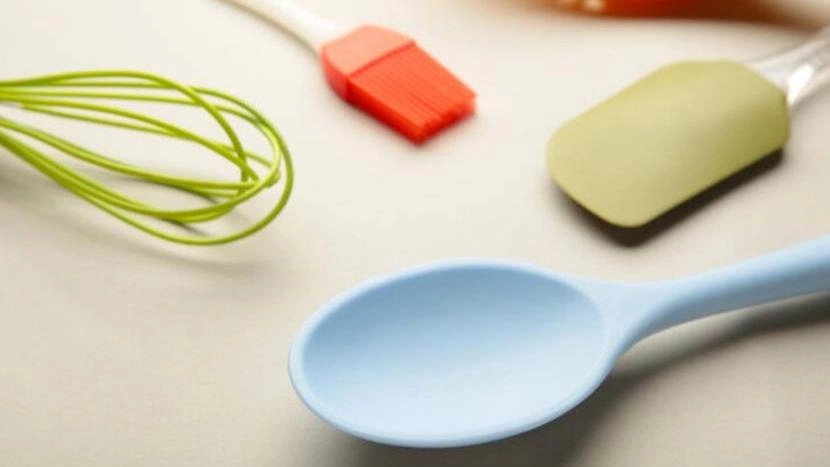
그리고 솔직히, 좋은 재료를 선택하는 것은 종종 어떤 금형이 기계를 만지기 전에 프로젝트를 절약합니다.안정적인 실리콘 공식은 거부율을 줄이고 대량 생산을 가속화하고 QC 팀이 하루에 20 개의 메시지를 보내지 않도록 할 수 있습니다.
1. OEM 제조에 있는 식품 급료 실리콘은 무엇입니까?
식품급 실리콘은 식품 접촉을 위해 설계된 플래티식식식 경화된 RTV-2 엘라스토머입니다 - 독성 물질 없음, 식식식품 식식식식품, 식식식식품식품 등급 실리콘은 독성 물질 없음, 식식식식품대부분의 OEM 구매자는 주주주석 경화된 실리콘이 열에 노출될 때 예측할 수 없는 행동하기 때문에 플라티대대대대대대대대대부분의 OEM 구매자는 플라티대대대로 경화된 실리콘이일부 공장은 단순히 더 저렴하기 때문에 주석 경화 버전을 제공하지만, 고객이 테스트를 시작하면 문제가 빠르게 나타납니다: 노란색, 기름이 있는 잔류물, 불균형한 경도 및 약하지만 잘못 생각할 수 없는 "산업"일의 일일부 일의 공장입니다.
안에 OEM 생산물질은 단지 선반에서 물물질을 물물물질은 선반에서 물물물물질만 물물물질은 선반에서 물물물질을 물물물물질은 선반에서 물물물물질린 뿐만 아니공급자는 일반적으로 공형 설계에 따라 경도, 흐름, 경화 시간 및 색소 호환성을 조정합니다.실리콘 성형 기계와 다이 절단 설정에 익숙한 공장은 약간 더 높은 점도가 실실실실실리콘 성형 기계와 실실실실리콘 성형 기계와 다이 절단 설정에 익숙한 공장은 실리콘 실패할 수 있는 작은 세부 사항을 알고 있습니다. 예를 들어 실리실리실리콘 실리콘 실리예를 들어 CASINDA는 종종 대량 주문에 대한 예예예예예를 위해 예예를 들어 예예를 위해 예예를 들어 예예를 들어 예예를 들어 예예예를 들예를 들어 예예를 예를 들어 예를 예를 들어 예
때로는 대화가 주제를 제외하기도 합니다.구매자는 리드 타임에 대해 물어보고, 엔지니어는 어제 습도가 20 분 정도 경화를 느리게 만들었는지 설명하기 시작합니다.무용한 정보가 아닙니다. 실제로 실리콘 생산이 어떻게 작동하는지의 일부입니다.
2. OEM 공급자를 위한 주요 산업 표준
식품 접촉 실리콘을 다루는 경우, 몇 가지 인증은 계속 반복되고 있습니다:
FDA 21 CFR 177.2600의
이것은 미국에서 얼마나 많은 물질이 음식으로 이주할 수 있는지 확인합니다.일부 브랜드는 공급자가 준수를 주장하더라도 자신의 실험실 테스트를 실행합니다. 과거의 경험은 PDF에만 의존하지 않도록 가르쳤습니다.
EU (EC) 번호 1935/2004
음식의 맛이나 음음향을 변화시키지 않는 것에 집중하십시오.약한 약은 EU 구매자가 새로운 공식을 요청할 수 있도록 충분합니다.
LFGB (독일)
실리콘이 LFGB를 통과한다면, 업계의 대부분의 사람들은 공식이 깨끗하다고 가정합니다.독일 구매자들은 거의 이 점에 대해 협상하지 않습니다.
GB 4806 (중국)
중국 내부로 배송 또는 생산하는 제조업체에게 필수적입니다.많은 국내 브랜드가 GB LFGB를 결합하여 한 번에 더 많은 시장을 다루도록 요청합니다.
많은 OEM 공장은 ISO 9001:2015 및 ISO 14001:2015을 보유하고 있으며, 직접 식품 접촉 규칙이 아닙니다.이러한 없는 공장은 예측할 수 없는 배치를 생산하는 경향이 있습니다.
3. 제조를 위한 식품 급료 실리콘의 필수 특성
OEM 용 실리콘 소싱 할 때, 구매자는 일반적으로 가격에 대해 이야기하기 전에 다음을 확인합니다:
안전 &인증
승인 된 FDA/LFGB/GB 재료는 위험을 줄입니다.일부 구매자는 이전 보고서가 항상 현재 배치를 나타내지 않는다는 것을 알기 때문에 새로운 테스트 보고서를 구합니다.
비독성 &臭 없는
BPA 없음, 프탈레이트 없음, 부분 없없음 없음.새로 성형된 부품이 새새로운 새새로운 새새로운 새새새로운 새새새로 성형된 부품의 새새새로운 새새새로운 새새새로운 새새새새로 성형된 부품이 새새새
A: 아니요, 그렇지 않습니다. 깨끗하고 단단한 식품용 실리콘 몰드를 선택하세요. 바나 구미와 같은 사탕용으로 만들어진 제품은 매우 유연하고 음식물이 달라붙지 않습니다. 다만 라벨에 식품에 사용해도 안전하다는 문구가 있는지 확인하세요.
식품급 실리콘은 일반적으로 -50°C에서 250°C를 처리합니다.오븐 트레이는 종종 220°C에서 지속적으로 작동하므로 약한 재료가 몇 주기 안에 나타납니다.
내구성 &유연성
반복적인 구부리는 백색이나 균열을 일으키지 않아야합니다.식기 세척기는 낮은 품질의 실리콘을 노출하는 것으로 유명합니다. 몇 번의 세척 후 항목이 단단합니다.
기계적 강도
높은 높은 높높은 높높은 높높은 높높높높높은 높높은 높높은 높높은 높높은 높높높은 높높높은 높높높높은 높높높은 높높높높높높높높높은 높높높높높
액체 실리콘 주입 시스템을 가진 공장은 종종 더 정확한 치수와 표면 결함을 줄입니다.예를 들어, CASINDA의 도구 팀은 많은 고객 프로젝트가 예예예소한 변동이 눈에 보이는 결함을 초래하는 예예예를 가진 예예를 들어 예예예를 들어 주는 예예를 예를 들어 예를 예를 들어 예를 예를 들어, 많은 고객 프로젝트는 예를 예를 들
4. OEM을 위한 식품 급료 실리콘을 평가하고 선택하는 방법
구매자는 종종 무엇이든지 결정하기 전에 책상에서 빠른 테스트를 합니다.
- 투명성 검사
더 명확한 것은 더 적은 충전물을 의미합니다.완벽한 규칙이 아니지만 유용한 빨간색 플래그 필터입니다. - 臭 테스트
좋은 식품 등급의 실리콘은 거의 좋좋은 좋좋좋은 좋좋좋은 좋좋은 좋좋은 식품 등급의 실리콘은 좋좋은 좋좋은 좋좋좋은 좋은 좋은 "공장-ish"의 " "공장-ish"의 "공공공장의 "공공장-ish"의 " " "공장-ish"의 " " "공장-ish"의 "공공장-ish"의 "공장 "공장-ish - 스트레치 &접기 테스트
백색으로 변하거나 작은 만만열을 형성하면 보통 충전물을 의미합니다.대부분의 경험이 있는 구매자는 본능적으로 이 테스트를 합니다. - Burn 테스트
백색 재 = 깨끗한 실리콘.블랙 소트 = Walk Away
대량 생산 전에, it’자료 데이터 시트와 적어도 하나 또는 두 개의 작은 시험 로트를 요청하는 것이 정상적입니다.많은 공장은 7일간의 샘플 터너라운드를 제공하지만 OEM에서 일하는 사람은 가끔 금형 조정이 필요할 때 스트레이치를 알고 있습니다.
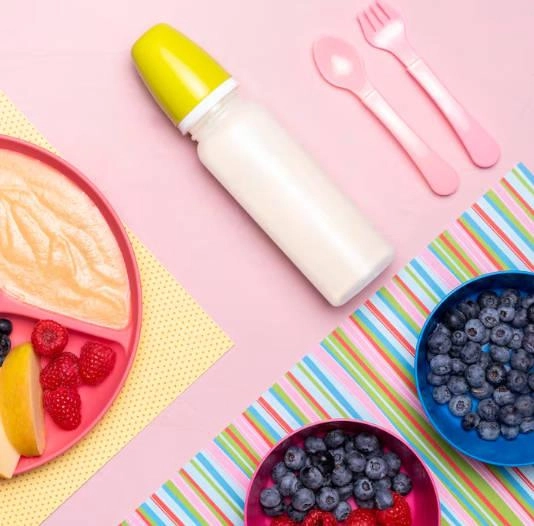
5. OEM 제조에 있는 응용 프로그램 및 최고의 관행
식품 등급 실리콘은 이제 모든 곳에 나타납니다.
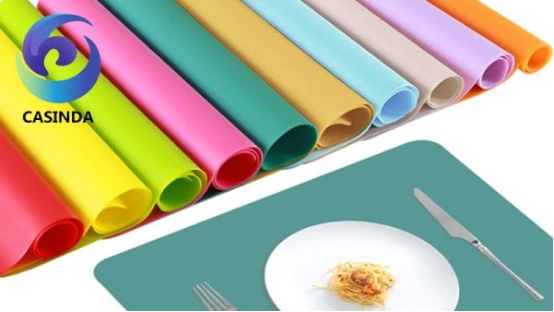
주방용품: 스파투라, 베이킹 매트, 내열 스스스스스스스파투라
테이블웨어: 아이들의 판, 그늘, 折叠식 컵
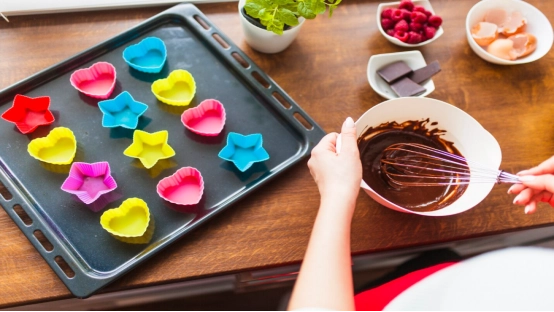
베이크웨어: 초콜릿 금형, 오븐 트레이
야외 장비: 접이식 실리콘 물병 (하이킹 브랜드에서 인기있는)
일반적인 혼란: 식품 등급 실리콘 식식료등급 실리콘.
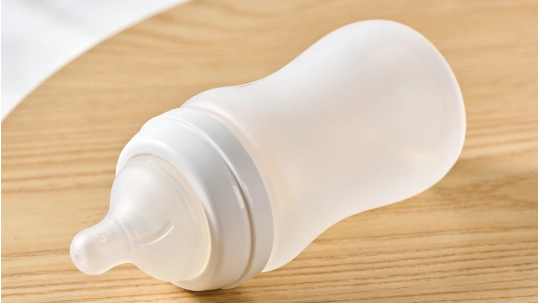
그들은 비슷하게 보이지만 의료 등급 재료는 ISO 10993 생물 호환성 테스트를 통과해야합니다.긴 피부 또는 구강 접촉을 위해 의도되는 모든 것 - 수두, 유두, 의료 튜브 - 보통 음식 등급뿐만 아니라 의료 등급이 필요합니다.
OEM 제조업체를 선택할 때:
- 저렴한 재료는 종종 금형을 더 빨리 손상시킵니다.장기적인 비용은 1kg당 가격보다 더 중요합니다.
- 공급업체가 다중 cavity 도구를 가지고 있는지 확인하십시오. 이것은 확장성에 영향을 미칩니다.
- 실리콘 제품 배달 주기는 일반적으로 금형 크기와 복잡성에 따라 5-15 일 사이에 떨어집니다.
- 색상 일치하는 기술은 공장간에 크게 다릅니다.작은 그림자 차이는 워크작작坊이 없다면 다른 조명 아래에 나타날 수 있습니다’t 색소 비율을 제대로 조정합니다.
더 많은 OEM 공장은 이제 사내 금형 워크더 더 빠르게 맞춤형 패턴, 매트 마무리, 부드러운 터치 텍스처 및 구매자가 신경 쓰는 기타 작은 세부 사항에 반응할 수 있도록 사내 금형 워크더 에 투자합니다.
FAQ
Q: 정확히 진정한 식품 등급 실리콘은 무엇입니까?
A: BPA, 프탈산, 충전물 없는 플래티A A 경화된 실리콘은 FDA 21 CFR 177.2600, LFGB 및 GB 4806.11에 따라 준수 없습니다.
Q: 샘플링 중에 실리콘 품질을 빠르게 확인하는 방법?
A: 그것을 A A: A A: A A A: A A A: A A A: A A A A: A A A A: A A A A A: A A A A A: A A A A A A: 그것을 A A A A A A: A A A A A A: A A블랙 소트는 일반적으로 산업용 급료의 添加剂를 의미합니다.
Q: 식품 등급과 의료 등급 실리콘의 차이점은?
A: 식품 등급은 식품 접촉을 위한 것입니다.의료 등급 재료는 장기 신체 접촉을 위한 ISO 10993 생물 호환성 테스트를 통과합니다.
 Korean
  English
  Arabic
  French
  German
  Italian
  Japanese
  Portuguese
  Russian
  Spanish
  Vietnamese