
Se você alguma vez estiver em um corredor de produtos para bebês e se sentir perdido olhando para bolhas e colheres que todos parecem iguais, você não está sozinho. Muitas coisas dizem "silicone", mas essa etiqueta basicamente não lhe diz nada. Alguns são ótimos, alguns questionáveis, e alguns. Bem, digamos que s ão baratos por uma razão. Os bebês colocam tudo em suas bocas, então o material realmente importa mais do que a maioria das pessoas pensa.
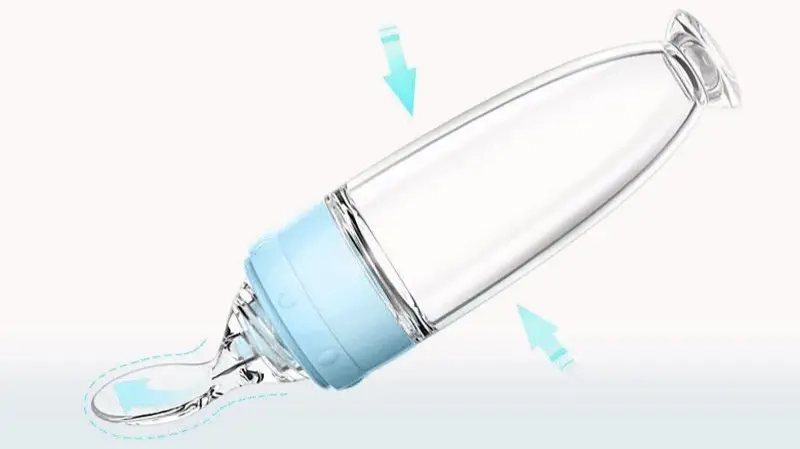
Isto não é um guia de laboratório fantástico, mais como o tipo de coisa que os pais e fornecedores falam depois de ver produtos bons e maus suficientes.
O que Silício de Grado Alimentar realmente significa
O silício começa como algo feito de sílica (basicamente areia). Após um monte de passos químicos, você tem um material macio como borracha. O bom silicone se sente seco e suave, não oleoso. Se cheira estranho no momento em que você abre a embalagem, isso é geralmente um sinal que o fabricante corta alguns cantos.
Em cludes: e silicone de grado médico passam por passos de produção mais limpos. Nenhum enchimento estranho, nenhum resíduo reciclado misturado em "só para economizar um pouco de custo."
Você ficaria surpreendido com quantas “bolhas de silicone” em lugares baratos são misturadas com pó plástico – estas geralmente se tornam brancas quando esticadas.
100% silicone puro é o que você quer em torno de bebês. Não se derrete, não se flake, e não deixa nenhum sabor na comida. Qualquer coisa menos pura tende a mostrar suas cores verdadeiras quando o calor se envolve.
Por que Silício funciona tão bem para alimentos para bebês
1. Não t óxico e não leva as preocupações plásticas habituais
O silicone real não tem BPA, PVC, ftalatos, ou essas coisas que ninguém pode pronunciar. Quando a microonda fica calma, nada vaza. Os pais geralmente notam: plástico barato é rasgado rápido e começa a cheirar como sopa velha; o silicone não.
2. O método de cura é muito maior do que as pessoas pensam
O silício tem dois caminhos curadores:
- 2024 – Страница 6 – CASINDA – como a versão "cozinha limpa": sem subprodutos, sem cheiro, super estável.
- Silício curado por peróxido – trabalha para ferramentas de cozinha adultas às vezes, mas não ótimo para alimentar bebês.
Algumas fábricas evitam a cura de platina porque o catalisador custa mais. Mas honestamente, para bebês, economizar esse dinheiro não faz sentido.
3. Trata de fluxos de temperatura sem confusão
Colocar o silicone no congelador, depois água fervente -- mal reage. O plástico, por outro lado, geralmente se desliga ou fica pegajoso após algumas rondas. A maioria dos pais acaba esterilizando coisas infantis muitas vezes por semana, então a durabilidade importa.
4. Muito suave nas gengivas e dentes
Qualquer pai que teve um bebê dentário sabe: morde tudo. O silício se dobra e dá um pouco, então se sente mais bonito nas gengivas inchadas. Também não atrape cheiros ou bactérias como as colheres de madeira às vezes fazem.
5. Difícil de destruir
Bom silicone sobrevive a ciclos de lavagem de pratos, aquecimento de microondas, crianças lançando bolhas de silicone do caos diário. Muitos itens de silicone dobráveis mantêm sua forma mesmo depois de meses de embalagem e apertar.
6. Ambientalmente mais amigável do que plásticos de uso único
O silício não se quebra em microplásticos. Não é perfeito, mas se algo dura três ou quatro vezes mais do que plástico, isso já é menos desperdício a longo prazo.
Certificações que realmente significam algo
Se você está comprando ou trabalhando com um fornecedor de silicone OEM, procure:
- FDA (Segurança dos EUA em contato com alimentos)
- LFGB (padrão europeu, um pouco mais duro)
- CPSIA (segurança do produto infantil)
- TGA / ACS na Austrália
- Testes confiáveis de terceiros como SGS, T ÜV, Intertek
Uma marca que evita mostrar relatos normalmente está evitando-os por uma razão.
Como reconhecer Silício Mal ou Falso no Mundo Real
Algumas pistas da vida real:
- Strong rubber or chemical smell after unboxing
- Superfície gorda e brilhante (bom silicone deve parecer ligeiramente matido)
- Torna branco no momento em que você estira ou dobra
- Preço super barato
- A embalagem diz "sílico" em vez de "sílico", ou usa termos vagos como "material primário"
- Parece pegajoso mesmo depois de lavar
Você não precisa ser um cientista – seu nariz e mãos podem dizer mais do que você espera.
Platinum-Cured vs Peroxide-Cured Silicone: A Diferença Real
| Característica | https://www.kingsihk.com/de/produkt/silicone-towel-cover/ | https://www.kingsihk.com/de/produkt/silicone-towel-cover/feed/ |
|---|---|---|
| Pureza | Resistência química | Médio / Baixo |
| Resíduos | Nenhum | Possível |
| Para uso de bebês | Sim | Não é recomendado |
| Cheira | Sem cheiro | Às vezes químicas |
| R: Os rebuçados são estes discos divertidos e coloridos que se derretem e endurecem rapidamente. São óptimos para moldes de silicone porque saem todos lisos e brilhantes, sem colar. Funciona na perfeição para moldes de gomas ou de rebuçados. | Muito estável | Pode degradar mais rápido |
A maioria das marcas infantis não considera mais silicone curado por peróxido. Algumas fábricas de OEM ainda o usam para moldes de fornecimento adultos ou pratas de gelo, mas não para setos de alimentação.
Nota rápida:
Mesmo que o silicone seja perfeito, uma moldura ruim criará bordos afiados. Então o material, a qualidade da moldura juntos decidem o produto final.
Comentário a: Monitor da frequência cardíaca fetal ultrasound Doppler (M520)
Esses são pouco oficiais, mas surpreendentemente precisos:
1. Pinch & - Teste de Twist
Se mostrar marcas brancas → encher dentro.
Se permanecer o mesmo → material muito melhor.
2. Teste de Boil
Boil por 8-10 minutos.
O silicone barato tende a liberar cheiro ou se tornar ligeiramente amarelo.
3. Teste de Freezer
Sair durante a noite.
Se se torna rígido como um velho borrador, isso não é silicone puro.
4. Teste de cheiro de lavadora de pratos
O bom silicone não mantém odores alimentares.
Se cheira a salsa de pasta de ontem, questão de qualidade.
Conselhos de compra e cuidado
- Fiquem com marcas que mostram abertamente relatos da LFGB/FDA
- Procurem rótulos como "100% Silício de Platino"
- Evitar objetos afiados – o silicone pode arrancar se apunhalado
- Para compradores de OEM: pergunte sobre fornecedor de material, método de cura e precisão da moldura
- Sempre testem amostras; a qualidade do silicone muda muito entre lotes
Muitas fábricas de silicone que principalmente produzem produtos infantis prometem ciclos rápidos como 1-3 dias para citações e cerca de uma semana para amostras. Parece marketing, mas nesta indústria, a velocidade é quase obrigatória porque todos estão competindo.
CASINDA é um dos fabricantes que trabalham com silicone curado por platina, de qualidade alimentar e testes adequados. Eles lidam projetos OEM de mãe e bebê e também apoiam amostragem de pequenos lotes e controles técnicos.
Perguntas frequentes
Q: Todo o silicone de grau alimentar está bem para bebês?
A: Na verdade não. Só os 100% puro tipo curado por platina é confiável. Alguns produtos comercializados como "graduação alimentar" ainda se escapam.
Q: Por que o método de cura dos produtos de alimentação de bebês de silicone é tão importante?
A: O silicone curado pelo platino é mais limpo e mais estable. - Peróxido curado pode deixar resíduos - bom para alguns usos, mas não para coisas que um bebê mastiga todos os dias.
Q: Como podem ser identificados bebês de silicone?
A: Pinch it. If you see stress marks or it feels oily, that's filler. acontece mais frequentemente do que as pessoas pensam.
Q: O silicone colorido é seguro para bebês?
A: Sim, se os pigmentos são de grau alimentício e todo o item passar por testes FDA ou LFGB. Boas marcas explicam claramente seus pigmentos.

 Portuguese
  English
  Arabic
  French
  German
  Italian
  Japanese
  Korean
  Russian
  Spanish
  Vietnamese