
Silicone is one of those materials people think they understand—until they actually have to choose one.
It’s flexible. It doesn’t melt easily. It survives heat, cold, water, and time better than most plastics. That’s why it shows up everywhere, from baking tools to hospital equipment.
But once words like пищевой класс, medical-grade, and body-safe start appearing, things get messy. They sound similar. Sometimes they’re even used interchangeably on product pages. That’s where problems start.
Because these grades are not the same thing. Not even close in some cases.
Food-Grade Silicone: What It’s Really Meant For
Food-grade silicone is made to touch food. That’s the job.
Regulators like the FDA focus on one main issue here: what might migrate out of the silicone into food, especially when heat is involved. If the material stays stable under those conditions, it passes.
- No harmful chemicals transferring to food
- No smell, no taste
- Stable at cooking temperatures
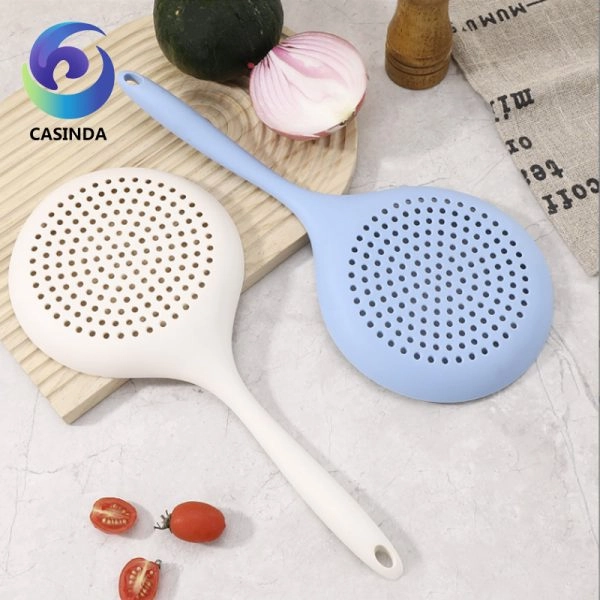
That’s why it’s common in baking mats, spatulas, baby bottle parts, ice molds, and foldable water bottles. Pouring hot water into a silicone bottle? Normal use case. Heating a silicone baking sheet to 200°C? Also normal.
What it is not tested for is long-term contact with the human body. Skin, pressure, sweat, oils, repeated friction—those aren’t part of food-grade testing. So while food-grade sounds “safe,” that safety is limited to food scenarios.
Using it outside that context is a gray area at best.
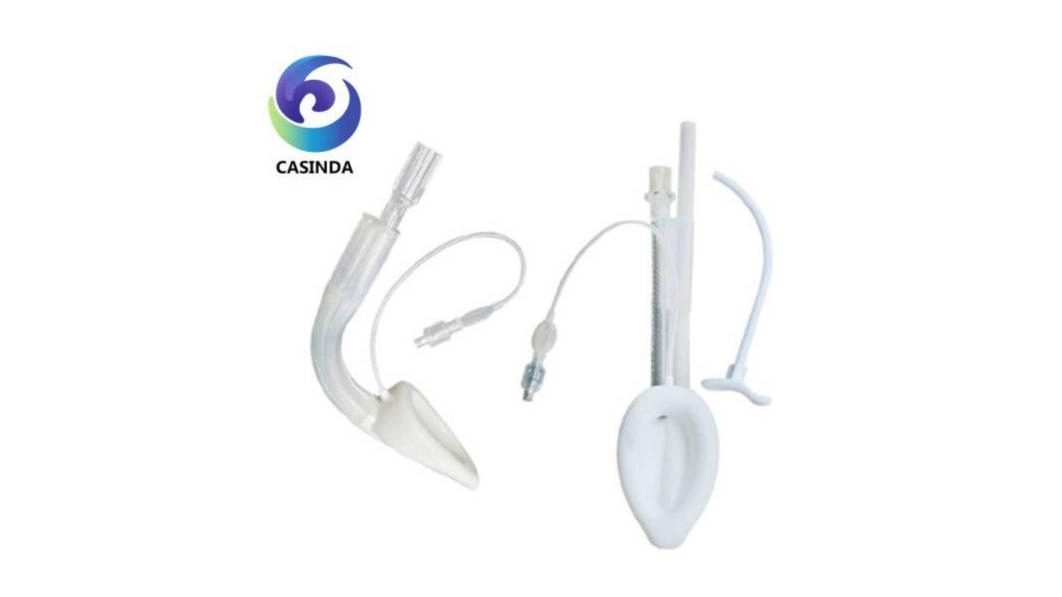
Medical-Grade Silicone: A Different Level Altogether
To qualify, it has to pass biocompatibility tests like ISO 10993 or USP Class VI. These don’t just ask, “Is it toxic?” They look at irritation, tissue response, inflammation, and what happens over time.
That’s why this grade shows up in:
- Catheters
- Surgical tubing
- Wound care products
- Implants
If something stays inside the body, or even against the skin for long periods under pressure, this is usually the required material.
There’s also the manufacturing side. Medical-grade silicone isn’t just about formulation. Production happens under tighter controls. Batches are traceable. Sterilization resistance matters. Documentation matters. A lot.
It costs more, yes. But most of that cost isn’t the silicone itself—it’s the testing, validation, and quality systems behind it.
Body-Safe Silicone: The Least Defined Term
“Как обработка силиконовых аксессуаров повышает долговечность продукта – CASINDA” sounds reassuring. It’s also the vaguest label of the three.
In most cases, it means the silicone is considered safe for external skin contact. No BPA. No phthalates. No obvious irritants. That’s usually where the definition ends.
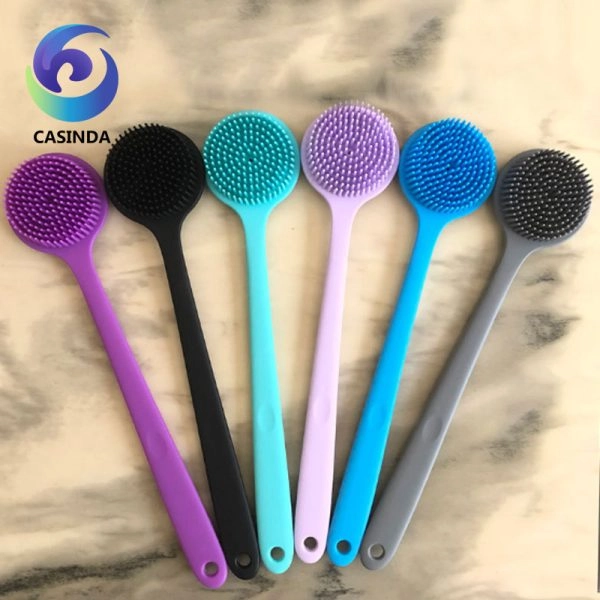
This type of silicone is commonly used in:
- Watch straps
- Fitness bands
- Wearable accessories
- Personal care tools
A silicone watch band is a good example. It sits on the wrist all day, gets sweaty, bends constantly, and doesn’t irritate skin. For that use, body-safe silicone works fine.
But here’s the mistake people make: assuming body-safe equals medical-grade. It doesn’t. Unless specific certifications are listed, body-safe silicone hasn’t gone through medical biocompatibility testing.
For anything internal—or even prolonged, sensitive contact—that difference matters.
Where the Real Differences Show Up
Standards and Testing
- Medical-grade silicone: ISO 10993, USP Class VI
- Food-grade silicone: FDA or equivalent food-contact rules
- Body-safe silicone: often self-declared unless stated otherwise
If documentation isn’t available, the claim doesn’t mean much.
Purity and Additives
Medical-grade silicone uses highly refined base materials. Additives are tightly controlled. Food-grade silicone allows certain additives that are fine for cooking but not suitable for implantation.
Body-safe silicone can vary widely. Some are clean. Some are just “not obviously harmful.”
Contact Time and Location
This part gets overlooked a lot.
- Food-grade: brief contact, ingestion risk
- Body-safe: short-term external contact
- Medical-grade: long-term or internal contact
Using a material outside its intended exposure type is where safety issues tend to appear.
Manufacturing Environment
Medical-grade products are usually made in controlled environments with strict traceability. Food-grade requires cleanliness, but not sterile conditions. Body-safe products may come from standard production lines unless otherwise specified.
Processes like liquid silicone molding help reduce contamination, but only if the rest of the system is set up properly.
Choosing the Right Grade (Without Overthinking It)
A few practical questions usually settle it faster than any spec sheet:
- What part of the body—or food—does this actually touch?
- For how long? Minutes, hours, years?
- Is certification legally required for this product category?
- What happens if the material choice is challenged later?
Medical-grade silicone isn’t automatically “better” for every product. Using it for a simple wristband doesn’t add real value. But using food-grade silicone in a medical device? That’s a serious problem.
The goal isn’t the highest grade. It’s the right one.
Food-grade, body-safe, and medical-grade silicone serve different purposes. The differences aren’t just marketing language—they’re tied to testing, manufacturing controls, and real-world use conditions.
CASINDA chooses correctly to keep products safe and compliant. Choosing carelessly creates risks that don’t show up until it’s too late.
Understanding where each grade fits is what separates a decent product from a problematic one.
Часто задаваемые вопросы
Q: Is body-safe silicone the same as medical-grade silicone?
A: Nope, not really. Body-safe silicone is fine for outside use and only short periods. Medical-grade stuff gets way more serious testing. It’s actually okay to put inside the body or use for a long time.
Q: Can food-grade silicone be used on the human body?
A: It’s made for food, not for hanging out on skin for hours or going inside you. Don’t swap it in for body-safe or medical-grade silicone when it’s about health or body stuff.
Q: What certifications should medical-grade silicone have?
A: The big ones people look for are ISO 10993 and USP Class VI. Those check if it’s toxic, if it irritates skin, and whether it plays nice with the body long-term.


 Russian
  English
  Arabic
  French
  German
  Italian
  Japanese
  Korean
  Portuguese
  Spanish
  Vietnamese