
Силиконовые трубки медицинского класса Тихо сидит за большинством медицинских устройств, хотя это редко та часть, о которой говорят люди. Трубки перемещают жидкости, газы, продукты питания, смеси для анестезии - в основном все вещи, которые должны безопасно путешествовать в клиниках. Когда трубка согибается, выкивается или утечет, вся система чувствует это немедленно. Из-за этого процесс производства труб больше похож на контролируемую рутину, чем на простую работу мастерской.
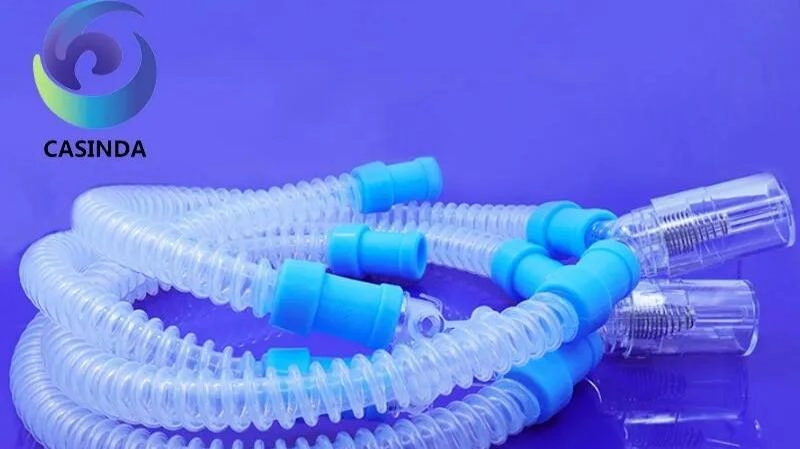
Внутри чистых комнат работники двигаются медленно, иногда медленнее, чем необходимо, чтобы избежать смешивания пыли. Каждый, кто посетил его, знает это чувство: воздух пахнет немного «сухой», машины постоянно гумят, и каждые несколько минут кто-то снова проверяет значения диаметра. Вот как производятся медицинские трубки - не драматические, но стабильные и невероятно строгие.
Ключевые свойства медицинского класса силиконовых труб
Основная причина, по которой силикон используется в больницах, заключается в его стабильном поведении с тканями человека. Он не раздражает, не распадается на странные химические вещества и остается гибким даже после длительного использования. Медсестра, тягающая линию внутренней инъекции вокруг угла кровати, ожидает, что она не выкрутится, и силикон, как правило, сотрудничает.
Силикон также хорошо справляется с температурными колебаниями. Он остается мягким в морозильном хранении и переживает автоклавные циклы, достигающие более 120 ° C. Некоторые больницы повторно используют силиконовые детали несколько раз, потому что материал не затвердился или не трещился, как пластик.
Прозрачность – еще одна практическая деталь. Врачи наблюдают за паттернами потока через трубку - движется ли жидкость слишком медленно, появляются ли пузыри. Если трубка становится туманной из-за загрязнения смешания, она немедленно отклоняется. Старые производственные команды часто говорят: «Если это не выглядит чистым, это не чисто».
Опыт здесь важен. Команды, которые работали с силиконовыми формами и смешиванием в течение многих лет, могут сказать на прикосновение, затваряется ли соединение слишком быстро или течет слишком толстым в тот день - мелкие вещи машины не всегда ловят.
Выбор силиконового сырья
Медицинский силикон не тот же, что промышленный силикон, используемый для уплотнений или электронных подушек. Медицинские материалы должны пройти USP Class VI или ISO 10993, которые включают такие вещи, как тесты на цитотоксичность и тесты на чувствительность. Продавцы обычно предоставляют сертификаты, но опытные заводы все еще проводят свои собственные входящие проверки, потому что «бумажные работы никогда не рассказывают всю историю».
Две категории доминируют в производстве медицинских труб:
• LSR (жидкая силиконовая резина): течет плавно, идеально подходит для систем впрыска, отлично подходит для больших заказов.
• HCR (резина высокой консистенции): более толстый и эластичный, идеальный для сжатия и трансферного формования.
Системы на основе платины остаются стандартом, потому что они оставляют меньше извлекаемых веществ. Каждая партия регистрируется, иногда с помощью рукописных записок, даже на современных заводах, потому что отслеживаемость требуется для каждого произведенного счетчика.
Процесс экструзии - основной метод непрерывной трубки
Экструзия используется, когда требуется длинная непрерывная трубка. LSR проходит через дозирующий насос, в то время как HCR проходит через винт экструдера. Силикон проходит через штамп, и этот штамп является частью операторов спорят больше всего. Небольшая регулировка — действительно крошечная, например, 0,03 мм — может выбросить внутренний диаметр.
Один из руководителей однажды сказал: «Если штамп выглядит идеально, проверьте еще раз. Это лжет». Этот комментарий обычно смеется, но это правда. Прямость и круглость в значительной степени зависят от выравнивания штампа.
Современные жидко-силиконовые машины (типы жидких гидравлических прессов) предлагают стабильное впрыски и быстрые циклы. Они помогают избежать таких проблем, как банановые трубки или внезапные прыжки толщины стены, которые происходят при колебаниях затверждения.
Производство иногда работает непрерывно в течение часов, даже в течение ночи. Операторы ходят туда и назад, проверяя лазерные измерители, пишут быстрые заметки и отрезают первые несколько метров, пока все не стабилизируется.
Процесс формования - для сложных форм и особенностей
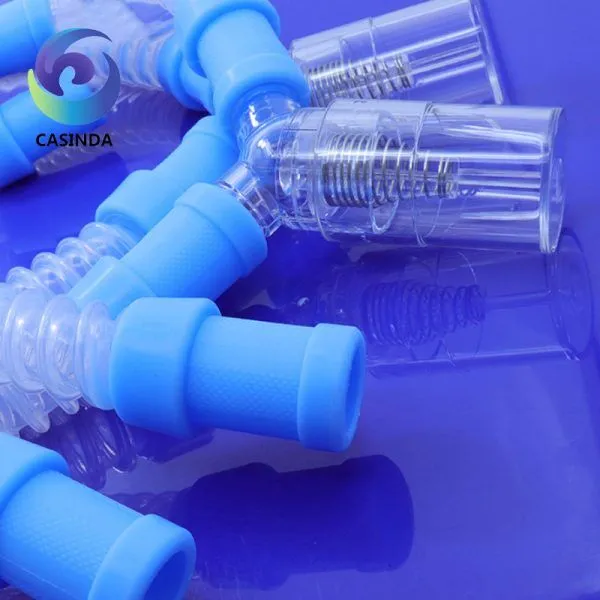
Экструзия работает для прямых труб. Но медицинским устройствам часто нужно больше: формованные соединения, несколько каналов в одной трубке (многолюменные), вырезанные концы или нечеткие формы, которые помогают трубке соединяться с насосами или хирургическими инструментами. Все это требует формации.
Литье LSR заполняет герметизированные формы давлением. Литье HCR зависит от сжатия или передачи и дает очень жесткие механические характеристики. Хорошо разработанные формы уменьшают мигающую тонкую пленку, которая образуется на краях. Плохие плесени вызывают головную боль - дополнительную обрезку, растрачиваемый материал и иногда "почему этот пузырь снова появился?"
Хорошие магазины используют вакуумное литье и тонко настроенное отопление. Даже тогда происходят небольшие отказы. Ни одна фабрика не достигает реальной нормы отхода в 0%, независимо от того, насколько хорошо кто-то пишет брошюру.
Последующая обработка и отделка
Как только трубка вылечит, начинается обрезка. Автоматические резки чисто разрезают трубки. Для катетеров или хирургических инструментов даже немного грубый край может вызвать дискомфорт, поэтому резки устанавливаются осторожно.
Некоторые трубы получают поверхностную обработку, чтобы уменьшить клейкость, особенно продукты, используемые на сборных линиях, где клейка замедляет работодателей.
Маркирование осуществляется с помощью медицинского качества чернил. Регулярные шельки чернила при стерилизации, поэтому заводы избегают этого полностью.
Чистка удаляет остатки пыли или неизлеченные фрагменты. Некоторые заводы запускают тепловые циклы в течение ночи, потому что силикон ведёт себя по-другому после того, как он немного расслабляется. Рабочие говорят, что трубка «оседается».
Упаковка производится в чистых комнатах. Комнаты класса 10 000 или класса 100 000 являются общими. Одно видимое волоконо внутри запечатанного мешка означает, что оператор повторно проверяет всю коробку.
Контроль качества и тестирование
Медицинский силиконовый продукт Проходит неоднократные проверки во время и после производства. Диаметр, толщина стенки, твердость Shore A, удлинение и сопротивление разрыву регулярно проверяются. Испытание давления на взрыв имеет важное значение для труб, используемых с перистальтическими насосами.
Качественный персонал часто использует цифровые калиперы, дурометры, тестеры на растяжение и стареющие машины, которые имитируют повторное изгибание. Размерные тесты обычно документируются вручную - еще одна старая привычка, которая на самом деле хорошо работает.
Испытания биосовместимости соответствуют ISO 10993 или USP класс VI. Некоторые образцы остаются в инкубаторах в течение нескольких дней; Другие проходят гамма-облучение или EO стерилизацию для проверки стабильности. Если трубка после стерилизации становится желтой или жесткой, материал немедленно отмечается.

Создание силиконовых труб медицинского качества - это не один большой шаг - это десятки небольших, которые зависят от опытных операторов, стабильного оборудования и дисциплины в чистой комнате. Настройки жидкого литья помогают с точностью и высокой производительностью. Квалифицированные производители форм регулируют инструменты так же чувствуя, как и измеряя. Команды чистых комнат обрабатывают упаковку так же, как и хрупкие предметы, даже если сама трубка прочна.
Производители, такие как Казинда полагайтесь на долгосрочный опыт в области силикона, от выбора сырья до совершенствования процесса, ориентированного на затраты. Быстрое отбор образцов и стабильные сроки поставки обеспечивают поставку компаний медицинских устройств без задержек.
В больницах каждый сантиметр трубки должен работать. Скривление, пузырь или неправильная толщина стены - это больше, чем просто дефект - это риск. Вот почему производство медицинских труб редко резает углы.
Часто задаваемые вопросы
В: Что отличает силиконовые трубки медицинского качества от промышленных типов?
A: Трубки медицинского класса используют платиновый, добавочный силикон и отвечают требованиям класса VI USP или ISO 10993. Он избегает вредных извлекаемых веществ и остается безопасным для длительного контакта с человеческой тканью.
В: Какой процесс в основном используется для непрерывных силиконовых труб?
A: Экструзия. Он обеспечивает гладкие внутренние отверстия, стабильные размеры и длины, необходимые для медицинских расходных материалов.
В: Как подтверждается биосовместимость силиконовой трубки?
A: Через тестирование ISO 10993 или USP класса VI и проверки стабильности стерилизации - цитотоксичность, раздражение, чувствительность, плюс гамма, EO или автоклавное тестирование.

 Russian
  English
  Arabic
  French
  German
  Italian
  Japanese
  Korean
  Portuguese
  Spanish
  Vietnamese