
Understanding LSR vs. Solid Silicone Rubber (SSR) for OEM Production
Defining the Materials
Авторитетные поставщики
Liquid Silicone Rubber (LSR) is a two-component silicone that’s cured with platinum. It has low viscosity, so it’s perfect for injection molding. Because it’s quite flowable, it can easily fill complicated mold shapes. That includes tiny details and very thin sections.
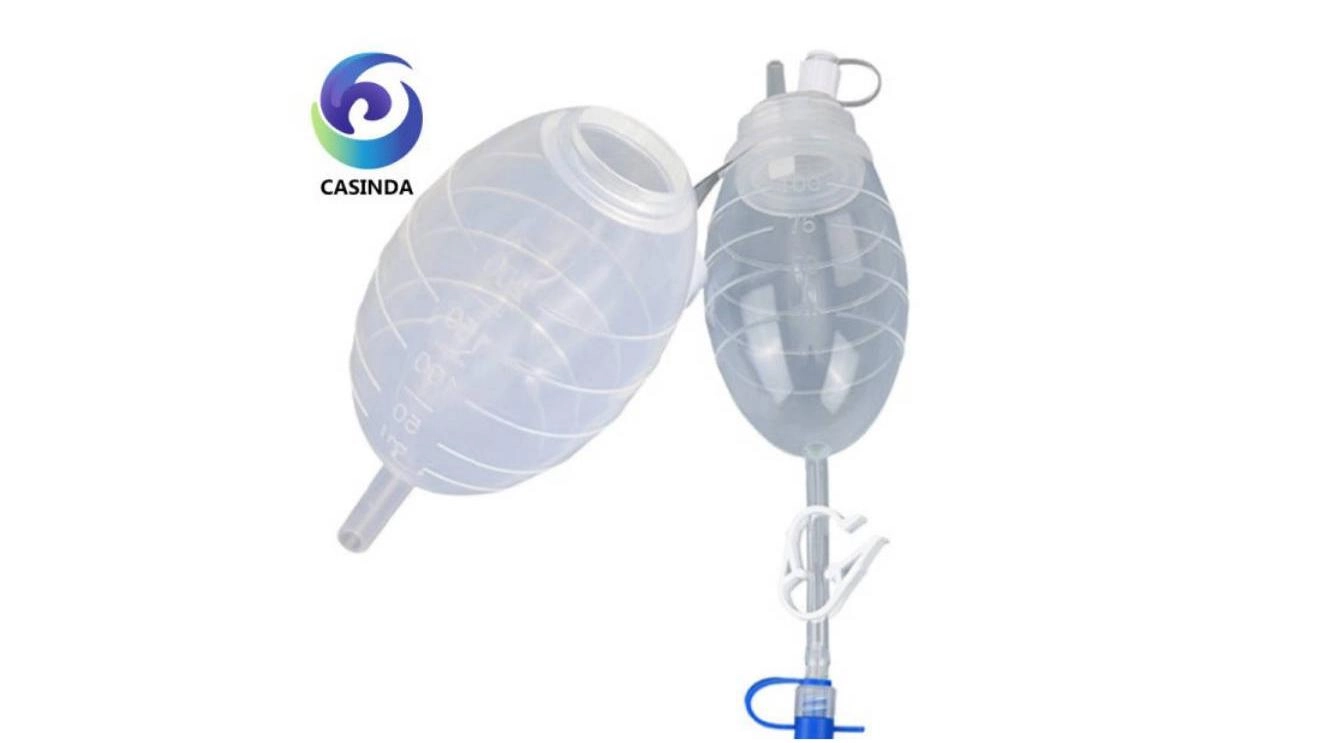
LSR brings some key benefits for OEM manufacturing:
- Exceptional thermal resistance and mechanical stability
- Biocompatibility, making it suitable for medical and wearable applications
- High transparency and tear strength
- Rapid curing through high-temperature vulcanization
Liquid silicone machine has high precision injection and vulcanization process, can guarantee to produce silicone product size precise and stable quality.
Solid Silicone Rubber (SSR/HCR)
Solid Silicone Rubber, also known as High Consistency Rubber (HCR), is a putty-like silicone with high molecular weight and a denser structure. It is typically processed via compression or transfer molding and is best suited for applications requiring durability over intricate geometry.
- Excellent tensile strength and resistance to heat and chemicals
- More robust structure, but less flowable than LSR
- Often used in larger or less complex parts
Characteristics of Liquid Silicone Rubber (LSR)
LSR’s standout features stem from its ability to undergo automated injection molding. This results in highly repeatable production cycles, low material waste, and the capability to manufacture intricate parts with tight tolerances. Notable characteristics include:
- High-temperature resistance up to 200°C or more
- Excellent resistance to oxidation, UV, and ozone
- Low compression set and excellent elasticity
- Biocompatibility for medical-grade applications
Liquid silicone machine can quickly produce liquid silicone products, automation, improve production efficiency.
Characteristics of Solid Silicone Rubber (SSR)
SSR is well-known for its mechanical robustness. While not as flowable as LSR, it remains a strong candidate for parts where structural integrity is prioritized over geometric complexity.
- Withstands harsh chemicals and high-temperature conditions
- Thick, dense consistency ideal for heavy-duty parts
- Superior tear strength in certain durometer ranges
Possesses capabilities in silicone rubber and die-cut product solutions (such as process optimization and cost reduction solutions).
Applications of LSR and SSR in OEM Production
Medical & Healthcare OEM
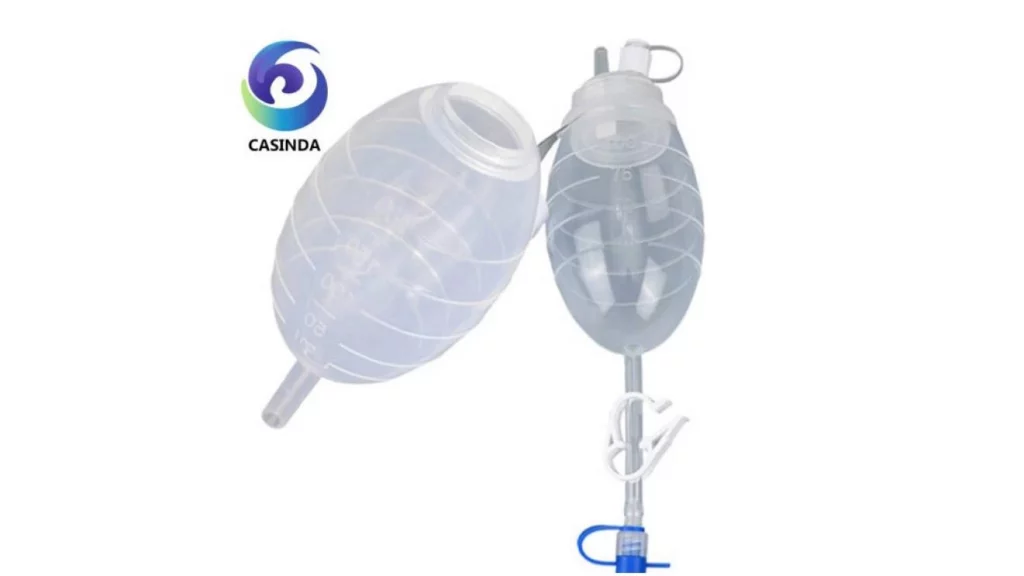
LSR is particularly advantageous in the medical field due to its purity, cleanliness, and ability to be sterilized. It is used in implantable parts, gaskets, valves, and tubing.
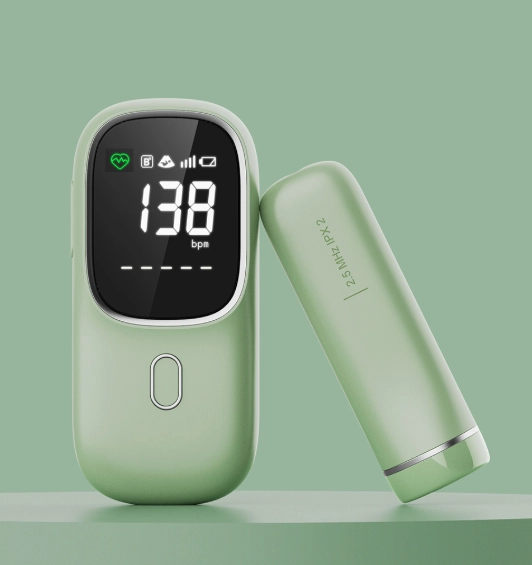
M521 Ultrasound Doppler Fetal Heart Rate Monitor can realize early monitoring and close attention to the fetal heart rate, and provide timely fetal health data for clinical use.
Automotive OEM
Both LSR and SSR find use in the automotive industry. While SSR is used for engine gaskets and mounts due to its strength, LSR excels in producing intricate seals for EV battery enclosures or sensor housings.
Consumer Electronics & Wearables
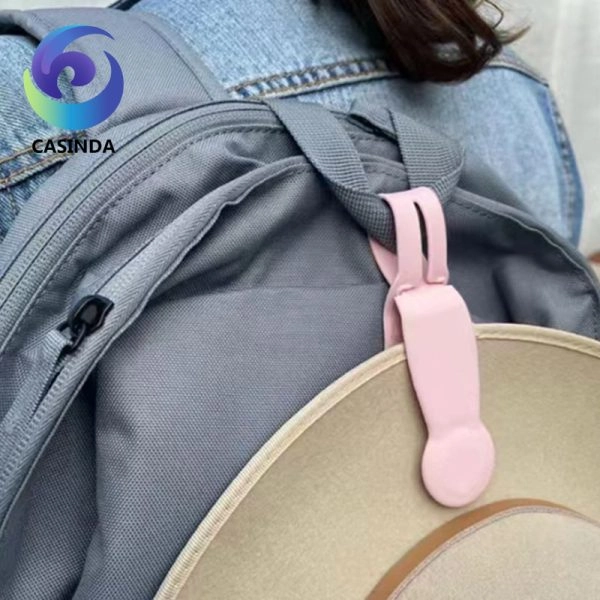
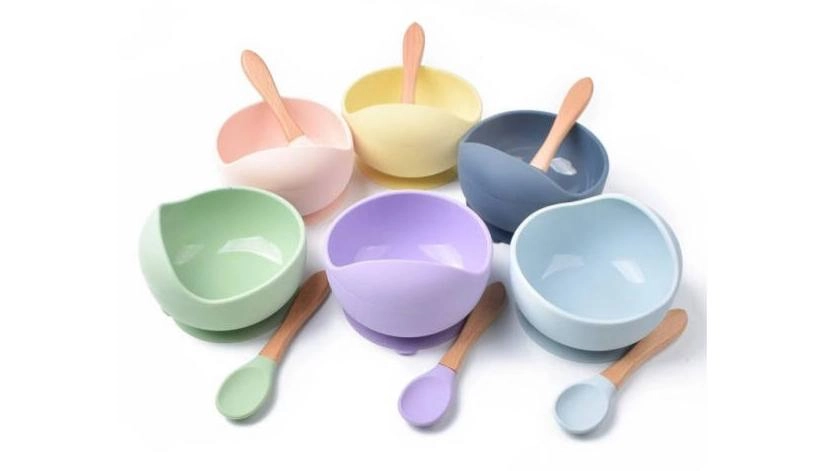
The flowability and precision of LSR make it ideal for manufacturing silicone protective belt, buttons, or wearable components like bands.
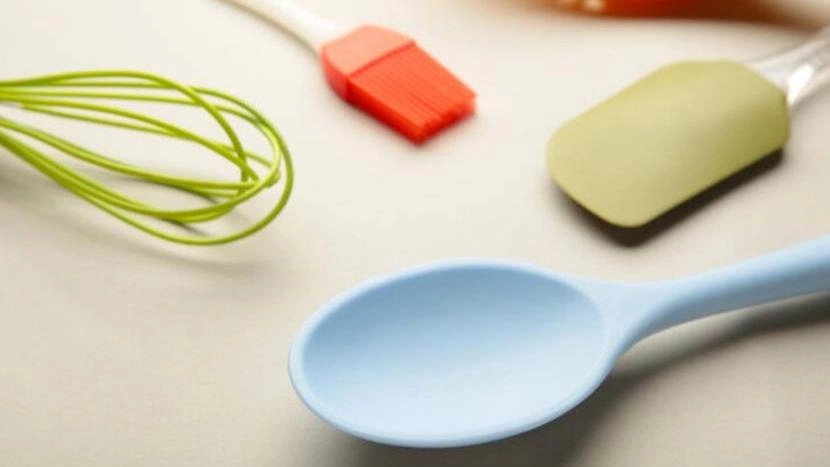
Жидкие роботы могут использоваться множеством способов в различных областях. Одной из основных областей является медицинская робототехника. Их гибкость делает их отличными для доставки наркотиков именно там, где они необходимы. Они могут двигаться по сложным путям тела или доставлять лекарства в определенные места. Это может изменить то, как мы лечим болезни. have excellent heat resistance, cold resistance, environmental resistance, electrical insulation
Industrial & General OEM
SSR dominates in producing large-scale industrial parts that require rigidity and resilience such as vibration dampers or heavy-duty gaskets.
Manufacturing Process Comparison
LSR Injection Molding Process
The LSR molding process is highly automated. It involves:
- Accurate mixing of base and catalyst through metering units
- Direct injection into a heated mold
- Fast platinum-cured vulcanization within the mold
- Automated demolding and minimal post-processing
Liquid silicone through the feeding system can be directly into the oil press mold improve production capacity, reduce artificial rubber mixing, cutting, placing and other operations, to achieve high efficiency and automatic.
SSR Molding Process
SSR processing includes compression or transfer molding which is more manual and time-consuming:
- Requires pre-forming the rubber into blanks
- Manual loading into molds
- Heat curing under pressure
- Demolding with greater post-processing needs
This process is less efficient at scale due to longer cycle times and labor involvement.
LSR vs. SSR: Direct Comparison for OEM Production
| Criteria | LSR | SSR |
|---|---|---|
| Processing Efficiency | Automated, fast cycles | Manual-intensive, slower throughput |
| Design Complexity | Ideal for complex geometries | Better for simple, large parts |
| Scalability & Cost | Lower labor cost, scalable production | Higher cost per unit at volume |
| Performance | Excellent consistency & biocompatibility | High durability but less precise |
Liquid silicone machine mould can be customized, can produce different shape, size of silica gel products
Considerations for Material Selection in OEM Production
Material selection must align with multiple variables:
Mechanical Properties
Evaluate tensile strength, tear resistance, elasticity based on application needs.
Environmental & Performance Conditions
If parts must endure chemical exposure or extreme temperatures—SSR might suffice. However, biocompatibility requirements or transparency needs would lean toward LSR.
Production Requirements
High-volume production benefits from automation. Precision components with tight tolerances are better served by LSR injection molding.
OEM-Specific Needs
Medical or food-grade compliance demands cleanroom-capable materials like LSR. Cost optimization may also drive selection towards faster cycle materials.
We are certified to ISO 9001:2015 and ISO 14001:2015 standards and have become a long-term partner of companies such as Jabil, Flex, and VTech.
Why LSR Is Often Better for Modern OEM Production
For precision-driven industries such as medical devices, wearables, consumer electronics, and EV components, liquid silicone rubber molding offers unparalleled advantages:
- Full automation minimizes human error
- Faster production cycles reduce cost per unit
- Consistent quality supports regulatory compliance
Liquid silicone rubber can be directly and quickly delivered from the feeding system to the hydraulic press mold, ensuring stable output; this increases production capacity and reduces manual operations such as rubber mixing, cutting, and placement, achieving efficient and fully automated production.
Why Choose CASINDA for Your LSR OEM Projects?
We have professional production equipment(liquid molding), including Liquid oil press 2 sets Model 85 T and Liquid feeder 2 sets. Our mold processing center established in 2022 enables independent development and production of molds, ensuring rapid turnaround times.
Technicians 4, engineers 2, all have college degree or above, offering expert-level support on complex projects. We provide quick quote (within 1-3 days) and sample fast (within 7 days for silicone products), giving your team an edge in speed-to-market.
Our certifications—ISO 9001:2015, ISO 14001:2015 and IATF 16949:2016—underline our commitment to top-tier quality standards.
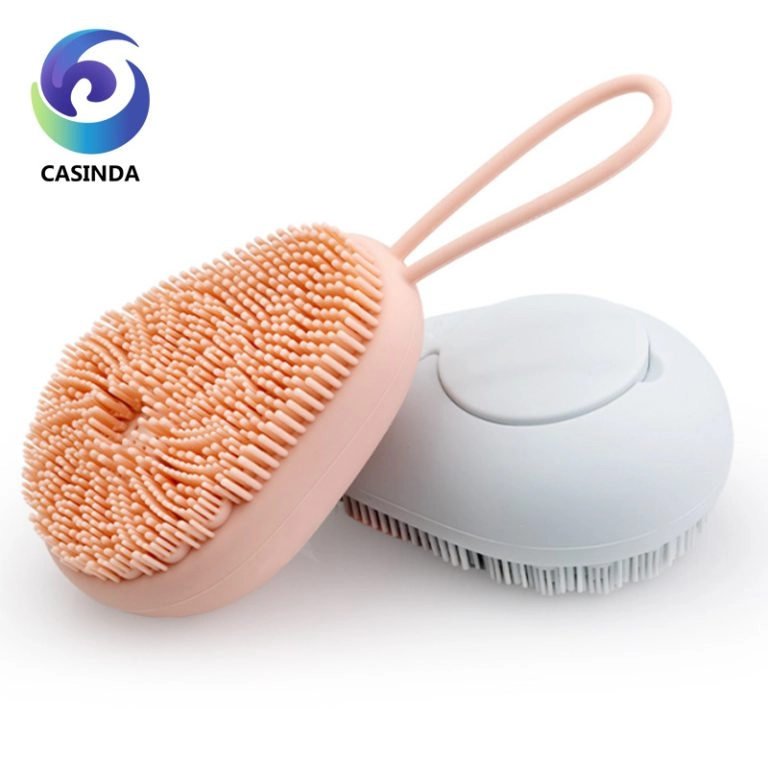
See how CASINDA can make your OEM manufacturing easier. We use modern liquid silicone rubber (LSR) injection molding methods. These give you top quality, exact precision, and simple scaling.
Fill in the form below. Talk directly with our team about your OEM needs. Let CASINDA become your go-to partner. We deliver advanced silicone products.
Часто задаваемые вопросы
Q: What is liquid silicone rubber molding?
A: It’s a fully automated way to injection-mold components. We work with a low-viscosity, two-part silicone. The curing uses platinum. This approach produces highly detailed and complex silicone items. Every piece stays very consistent. Waste is almost zero.
Q: Why pick liquid silicone rubber molding for OEM work?
A: It provides strong automation and short production cycles. You get very tight precision. The material is biocompatible too. That’s why it’s a favorite for large OEM volumes. You’ll find it often in medical tools, everyday electronics, wearables, and auto parts.
Q: How is liquid silicone rubber molding different from working with solid silicone?
A: Solid silicone usually involves manual compression or transfer molding. These steps need a lot of hands-on effort. Liquid silicone molding is fully automatic. The material flows easily into tiny details. It scales up without trouble. It also lowers labor costs on big production orders.
 Russian
  English
  Arabic
  French
  German
  Italian
  Japanese
  Korean
  Portuguese
  Spanish
  Vietnamese