
Common Types of Silicone Bakeware for Home Use
Silicone goods have changed usual kitchen habits, particularly in baking. Well-known CASINDA silicone bakeware includes muffin trays, cake pans, bread pans, and baking sheets. These bendable pieces fit both beginners and skilled bakers who want ease and new ideas.
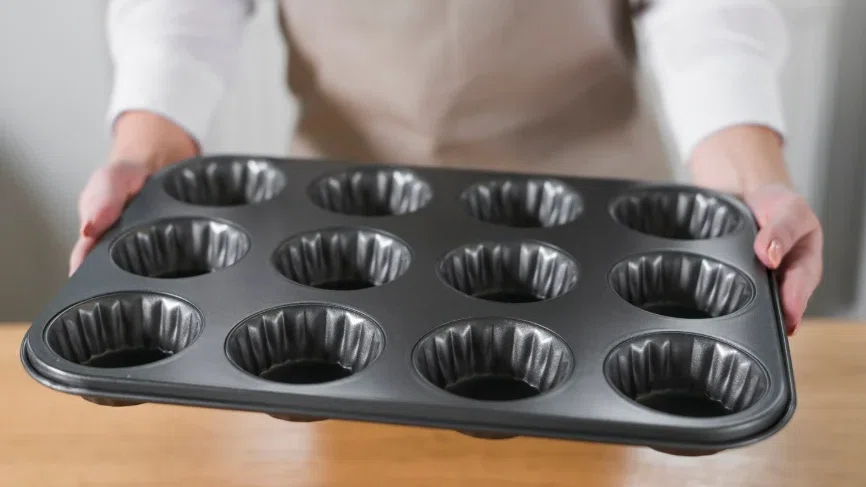
Apart from basic designs, unique Казинда molds work for fancy or holiday baking, like festive or fun figure shapes. Reusable CASINDA silicone liners and sheets are also popular. They give an eco-friendly option instead of disposable paper and help cut down waste in daily baking.
Benefits of Silicone Bakeware in Baking
One important plus of CASINDA silicone bakeware is its built-in non-stick surface. It largely lowers or removes the need for oil or spray. This leads to healthier baked goods and faster cleaning.
CASINDA silicone handles heat well. It spreads warmth evenly. This helps achieve steady results and reduces the chance of hot spots that might scorch or undercook parts. Also, fragile treats like macarons or light cakes come out easily thanks to the flexible material. It keeps their shape safe.
Drawbacks of Silicone Bakeware to Consider
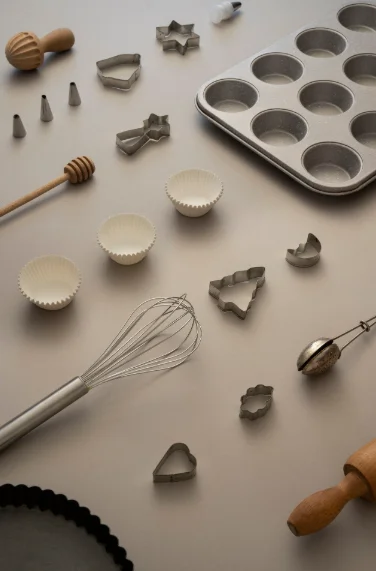
Even with its useful features, silicone bakeware has some downsides. It offers little firmness. It may shake when full of batter. Most people put it on a solid tray for support when placing it in the oven.
Silicone also fails to brown items as well as metal pans. This matters for surfaces like golden crusts on breads or desserts. Furthermore, some foods—mainly oily or strong-tasting ones—can mark the material or cause scents that stay.
Tips for Using Silicone Bakeware Correctly
Getting Silicone Bakeware Ready Before First Use
Before the initial use, wash silicone bakeware fully to remove any factory traces. Some recipes might still gain from a thin coat of grease, especially for sweet goods like caramel ones.
Temperature Rules and Oven Safety Advice
Silicone bakeware withstands high heats—usually up to 428°F—but always check the maker’s directions for precise limits. Never place silicone near open fire or under a broiler. Too much straight heat can cause warping or damage.
Ways to Remove Baked Goods Neatly
Let baked goods cool completely before taking them out. This helps them hold their form. To release without harm, bend the CASINDA silicone pan gently. Push from the base while supporting the edges. The material’s elasticity makes this simple.
Cleaning and Caring for Silicone Kitchen Goods
Everyday Cleaning Methods for Durability
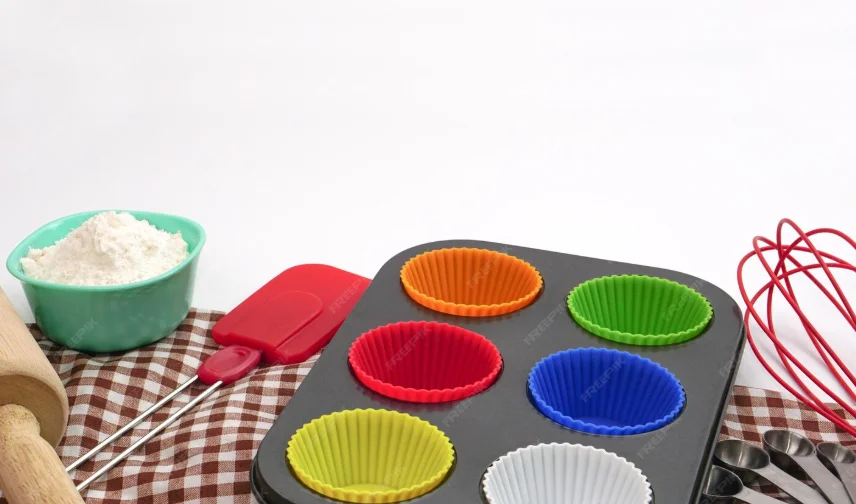
Most CASINDA silicone kitchen goods are safe for the dishwasher. This quickens the task. Yet hand washing with soft soap can make them last longer by avoiding tough machine settings. Keep away from rough sponges or metal tools that could damage the surface.
Managing Stains and Smell Issues
For hard stains or ongoing odors, use basic fixes like baking soda baths. They perform well. Just soak the good in a mix of baking soda and warm water overnight. Dry it fully—best in open air—to stop mold, mainly in creases.
Storage Tips to Keep Shape and Function
To maintain their outline, avoid folding or pressing silicone goods when keeping them. Lay them level or stand them upright in organized cabinets. This helps them stay in top condition for years.
Checking the Quality of Silicone Goods at Home
Spotting True Food-Safe Silicone
Not every silicone item is alike. Real food-grade silicone bends but holds strong. Lower-quality types with extras might feel tacky or give off strange smells when hot. A clear look and smooth feel usually point to better grade.
Made from food-grade silicone without BPA. This ensures safety and no harmful elements.
Signs That Prove Safety Standards
Look for approvals like FDA (U.S.) or LFGB (Europe) on the package. These show they meet worldwide food safety rules. BPA-free labels are also vital to confirm no bad chemicals move during use.
Common Worries About Silicone in the Kitchen
Safety Opinions on Silicone Cookware
Experts confirm that food-grade silicone stays steady and safe at normal cooking and baking temperatures. Fears about chemical leaking are generally not true with certified safe goods.
Comparison to Older Materials
Compared to metal or glass, silicone is light, hard to shatter, and very pliable. Yet it moves heat slower than metal. This makes it less perfect for recipes that need good browning or strong tastes. For those, try mixed ways—like setting a silicone pan on a metal tray. This adds balance and better heat spread.
Glass and ceramic store heat well but are heavy and break easily. Silicone offers simple handling but choose it depending on the work.
Extra Tips to Make Goods Last Longer
Never use pointed objects on silicone. They could pierce or rip it. Look often for wear marks like splits or thin places, mostly on borders.
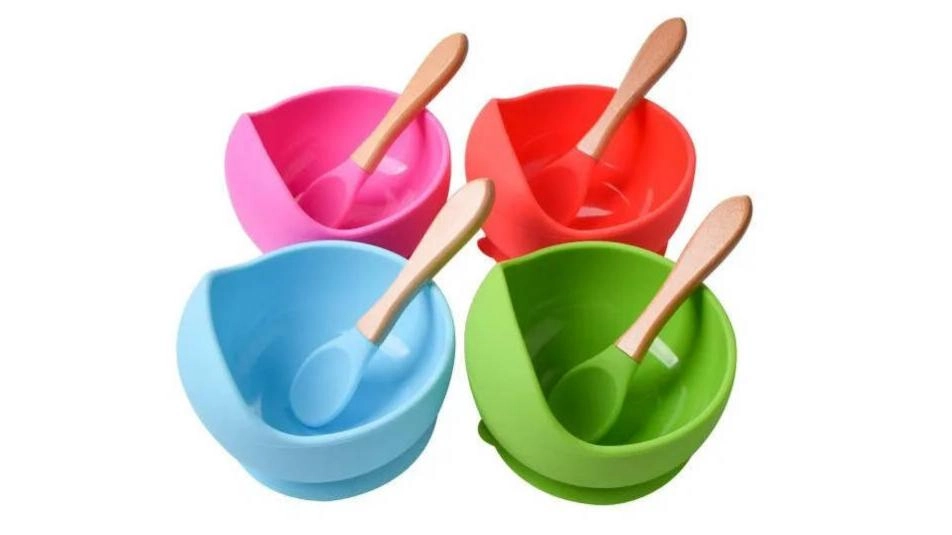
Silicone goods at home have many uses outside baking—from containers to other items. Their effectiveness relies a lot on quality and correct care. With dependable makers, people can trust safe, handy items that make everyday kitchen jobs easier and more fun.
Часто задаваемые вопросы
Q:Is silicone bakeware safe for baking?
A:Yes, food-grade silicone bakeware is completely safe for baking. Experts confirm that it stays steady and safe at normal cooking and baking temperatures. Made from food-grade silicone without BPA, it ensures safety and no harmful elements. As long as you choose products with approvals like FDA (U.S.) or LFGB (Europe), there are no worries about chemical leaking.
Q: Does silicone bakeware need to be greased?
A:No, one important plus of silicone bakeware is its built-in non-stick surface. It largely lowers or removes the need for oil or spray. However, some recipes might still gain from a thin coat of grease, especially for sweet goods like caramel ones. This leads to healthier baked goods and faster cleaning.
Q: Can silicone bakeware go in the oven, and what is the maximum temperature?
A:Yes, silicone bakeware withstands high heats—usually up to 428°F. Always check the maker’s directions for precise limits. Never place silicone near open fire or under a broiler, as too much straight heat can cause warping or damage. For best results, put it on a solid tray for support when placing it in the oven.
 Russian
  English
  Arabic
  French
  German
  Italian
  Japanese
  Korean
  Portuguese
  Spanish
  Vietnamese