
Food-grade silicone has become one of those materials that people in OEM sourcing talk about almost every week. Not because it’s trendy, but because regulations keep shifting and buyers hate surprises—like opening a sample box and getting a weird rubber smell that absolutely shouldn’t be there. With tighter global rules and more brands trying to launch baby items, camping gear, or kitchenware, the “right silicone” now plays a much bigger role than most expect.
And honestly, choosing good material often saves a project long before any mold touches a machine. A stable silicone formula can cut reject rates, speed up mass production, and keep the QC team from sending 20 messages a day asking why the surface gloss looks different again.
1. What is Food-Grade Silicone in OEM Manufacturing?
Food-grade silicone is a platinum-cured RTV-2 elastomer designed for food contact—no toxic stuff, no smell, no weird migration after heating. Most OEM buyers prefer platinum-cured because tin-cured silicone behaves unpredictably when exposed to heat. Some factories still offer tin-cured versions simply because they’re cheaper, but once customers start testing, problems show up fast: yellowing, oily residues, uneven hardness, and a faint but unmistakable “industrial” odor.
In OEM production, materials aren’t just picked off a shelf. The supplier usually adjusts hardness, flow, curing time, and pigment compatibility depending on the mold design. Factories familiar with silicone molding machines and die-cutting setups know small details—like how a slightly higher viscosity can mess with thin-wall parts or how a batch that looks fine visually might still fail during demolding if the mold temperature shifts two or three degrees. CASINDA, for example, often tweaks curing parameters in-house to stabilize thin-section parts for large-volume orders.
Sometimes the conversation even goes off-topic. A buyer asks about lead time, and the engineer starts explaining how yesterday’s humidity slowed down curing by 20 minutes. Not useless info—just part of how silicone production actually works.
2. Key Industry Standards for OEM Suppliers
When dealing with food-contact silicone, a few certifications keep coming up again and again:
FDA 21 CFR 177.2600
This one from the U.S. checks how much material can migrate into food. Some brands run their own lab tests even when a supplier claims compliance—past experiences taught them not to rely solely on PDFs.
EU (EC) No. 1935/2004
Focuses on not altering food’s taste or smell. A faint smell is enough for EU buyers to request a new formulation.
LFGB (Germany)
If silicone passes LFGB, most people in the industry assume the formulation is clean. German buyers rarely negotiate on this point.
GB 4806 (China)
Essential for manufacturers shipping to or producing inside China. A lot of domestic brands now request GB + LFGB combined to cover more markets at once.
Many OEM factories hold ISO 9001:2015 and ISO 14001:2015—not directly food-contact rules but they tell you the place runs with some discipline. Factories without these tend to produce… unpredictable batches.
3. Essential Properties of Food-Grade Silicone for Manufacturing
When sourcing silicone for OEM, buyers usually check the following before even talking about price:
Safety & Certification
Approved FDA/LFGB/GB materials reduce risk. Some buyers specifically ask for a fresh test report because they know older reports don’t always represent the current batch.
Non-Toxic & Odorless
No BPA, no phthalates, no side smell. If a newly molded part smells sharp, most buyers stop the conversation right there.
Temperature Resistance
Food-grade silicone normally handles –50°C to 250°C. Oven trays often run at 220°C continuously, so weak materials reveal themselves within a few cycles.
Durability & Flexibility
Repeated bending shouldn’t cause whitening or cracking. Dishwashers are notorious for exposing low-quality silicone—items turn stiff after a few washes.
Mechanical Strength
High tear strength matters a lot for lids, pacifier shapes, bottle nipples, or anything that gets tugged or chewed.
Factories with liquid silicone injection systems often produce more accurate dimensions and fewer surface flaws. CASINDA’s tooling team, for instance, tends to emphasize tight dimensional tolerances because many customer projects involve thin ribs or flexible hinge structures where minor shifts cause visible defects.
4. How to Evaluate and Select Food-Grade Silicone for OEM
Buyers often do quick tests right at their desk before deciding anything:
- Transparency Check
Clearer means fewer fillers. Not a perfect rule, but a useful red flag filter. - Odor Test
Good food-grade silicone has almost no smell. A batch that smells “factory-ish” usually gets rejected instantly. - Stretch & Fold Test
If it turns white or forms little cracks, that usually means fillers. Most experienced buyers do this test instinctively. - Burn Test
White ash = clean silicone. Black soot = walk away.
Before mass production, it’s normal to request Material Data Sheets and at least one or two small trial lots. Many factories offer a 7-day sample turnaround, though anyone who works in OEM knows this sometimes stretches when mold adjustments are needed.
5. Applications and Best Practices in OEM Manufacturing
Food-grade silicone appears everywhere now:
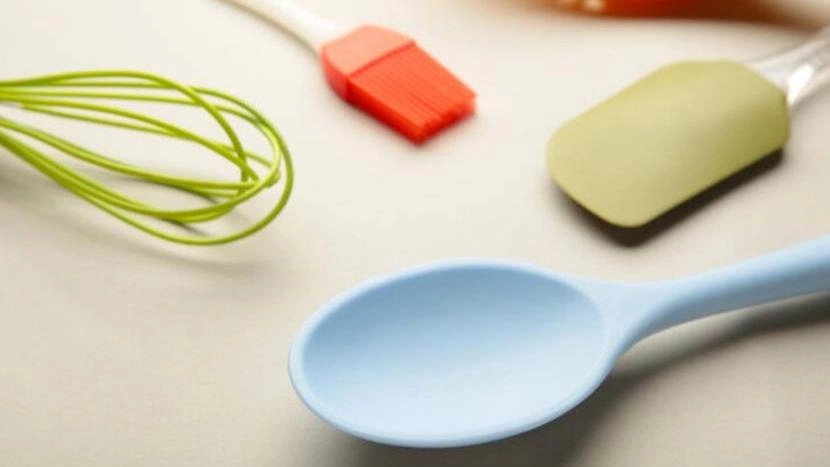
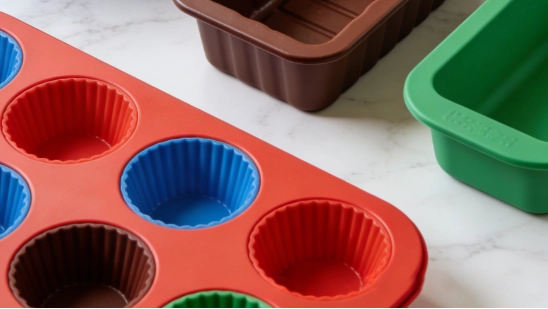
Kitchenware: spatulas, baking mats, heat-resistant cups
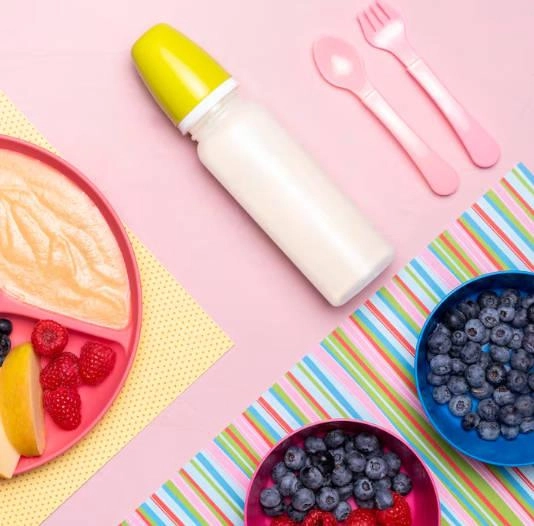
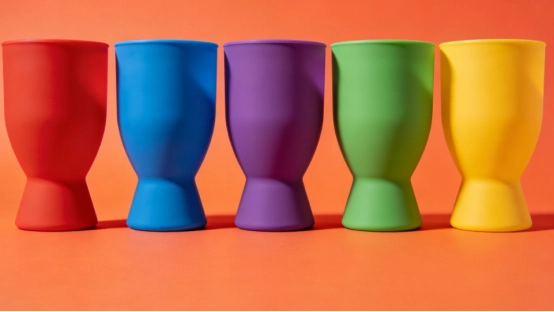
Tableware: kids’ plates, bowls, collapsible cups
Bakeware: chocolate molds, oven trays
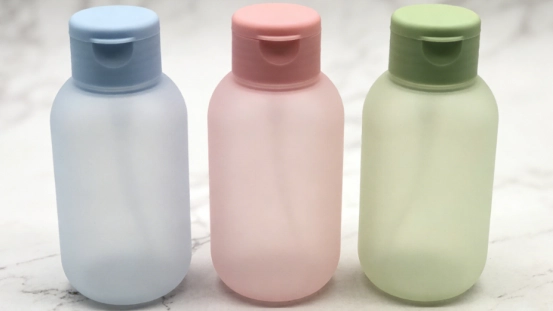
Outdoor gear: foldable silicone water bottles (popular with hiking brands)
A common confusion: food-grade silicone ≠ medical-grade silicone.
They look similar, but medical-grade materials must pass ISO 10993 biocompatibility tests. Anything meant for extended skin or oral contact—pacifiers, nipples, medical tubes—usually needs medical-grade, not just food-grade.
When picking an OEM manufacturer:
- Cheap materials often damage molds faster. Long-term cost matters more than the price per kg.
- Check if the supplier has multi-cavity tooling—this affects scalability.
- Silicone product delivery cycles usually fall between 5–15 days depending on mold size and complexity.
- Color-matching skills vary a lot between factories. Slight shade differences can show up under different lights if the workshop doesn’t adjust pigment ratios properly.
More OEM factories now invest in in-house mold workshops so they can respond quicker to custom patterns, matte finishes, soft-touch textures, and other small details that buyers care about.
FAQ
Q: What exactly is true food-grade silicone?
A: Platinum-cured silicone with no BPA, no phthalates, no fillers, and compliant with FDA 21 CFR 177.2600, LFGB, and GB 4806.11.
Q: How to quickly check silicone quality during sampling?
A: Smell it (should be neutral), stretch it (no whitening), burn a small piece (white ash). Black soot usually means industrial-grade additives.
Q: Difference between food-grade and medical-grade silicone?
A: Food-grade is for food contact. Medical-grade materials pass ISO 10993 biocompatibility tests for long-term body contact.
 English
  Arabic
  French
  German
  Italian
  Japanese
  Korean
  Portuguese
  Russian
  Spanish
  Vietnamese