
Why Is Silicone for Kitchen Tools Gaining Popularity Compared to Plastic and Wood?
The Rise of Silicone for Kitchen Applications
Silicone for kitchen tools has turned into a top choice for today’s buyers. They want strong performance, safety, and eco-friendliness. This material offers great bendability, tolerance to heat, and a surface that resists sticking. As a result, it works well for cooking and baking tasks. These tasks need toughness in hot settings. Unlike plastic or wood, silicone copes with very cold and very hot conditions. It does so without breaking or changing shape.
People now pay more attention to food safety. This trend speeds up the move to silicone. Users worry about chemicals leaking from plastics. They also fear germs building up in rough wooden tools. Food-grade silicone stays harmless, free of BPA, and fights germ growth. It fits these needs perfectly.
Crafted from food-grade silicone free of BPA (Bisphenol A), ensuring every sip is safe and non-toxic. This feature keeps all food contact secure. It does so even in hot situations.
Companies highlight silicone’s green side too. It lasts a long time, unlike throwaway plastics.
Choose the Foldable Sports Water Bottle, not just for a lighter, healthier lifestyle but as part of a green living revolution. This idea appeals to those who care about the planet. They like items that can be reused and cut down on trash.
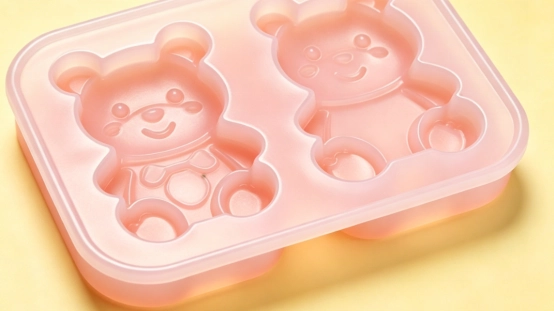
Comparing Market Trends Between Silicone, Plastic, and Wood Kitchen Tools
Sales figures reveal a clear uptick in interest for silicone kitchen items. This comes from their better cleanliness rules and longer life. Plastic stays common mainly for its low cost. Yet, fears of tiny plastic bits have hurt its reputation. Wooden tools keep a steady group of fans. These people enjoy their natural look. But wood needs extra care to avoid splits or mold.
Buyers now focus on harm to the environment and how long items last. They consider these when picking kitchen stuff. As green living grows key in buying choices, silicone stands out. It mixes strong function with kindness to nature. This makes it the go-to pick in pro kitchens and homes.
How Does the Durability of Silicone for Kitchen Use Compare to Plastic and Wood?
The Structural Integrity of Silicone in Daily Kitchen Use
Silicone’s strong build is a major plus. It fights off cracks, melting, or bending even in very hot spots. Think of oven baking or stove cooking. Plastic tools often twist after many heat exposures or dishwasher runs. But silicone keeps its bounce and form as time goes on. Its bendy quality lowers the chance of breaks. This is a big win over stiff stuff like wood or plastic.
Passed through rigorous quality testing, our foldable قports water bottle offers outstanding durability and resilience, resisting deformation and enduring pressure and impacts. This kind of toughness shows how good silicone goods hold up. They handle daily wear while keeping their first shape.
Comparing Lifespan: Silicone vs. Plastic vs. Wood in Kitchen Environments
Plastic gear wears out quicker when hit with strong heat or sunlight. This leads to color loss or stiffness. Wooden tools can chip or soak up water as years pass. That hurts cleanliness and ease of use. Silicone, however, keeps steady work even after long, hard use.
Silicone’s long run matches what today’s users want. They seek green items that need less replacing. Firms with top-notch making skills keep quality even. They use exact shaping methods to boost how long products last.
We have professional production equipment (oil molding) — such advanced processes guarantee uniform density and strength across all silicone kitchen items.
What Are the Safety Benefits of Using Silicone for Kitchen Tools Over Plastic and Wood?
Food Safety Considerations with Silicone for Kitchen Applications
Food safety stands as a top reason for silicone’s wide use in kitchens. Food-grade silicone acts without changing chemically. It ignores sour foods like tomato sauce or fatty ones like butter. Thus, it stops bad taste mixing in cooking.
The chemical makeup and build of silica gel give it traits others can’t match. These include high pull-in power, solid heat hold, and steady chem traits. Such qualities make food-grade silicone safe in many cooking setups.
Wooden tools often trap germs because of their holey build. Some plastics hold bad extras like BPA or phthalates. Silicone’s smooth face cuts these dangers. It stops germs from gathering. So, it suits clean kitchens well.
Heat Resistance and Chemical Stability in Silicone Kitchen Tools
Silicone handles heat up to 230–260°C without melting or giving off bad stuff. This goes way beyond normal cooking needs. Plastic tools might let out harmful bits when near oil or heat. Silicone stays steady in chem terms all through use.
Its unchanging tiny structure means no leaking happens. This holds true even with long touch to hot foods or oils. It fits best for hot jobs like baking pans, scrapers, or glove covers. Pros use them where safety matters most.
How Does Maintenance Differ Between Silicone for Kitchen Use and Other Materials?
Cleaning and Care Requirements for Silicone Kitchen Tools
A main perk of silicone kitchen gear is simple upkeep. Its non-stick face stops gunk from sauces or oils. This cuts cleaning time a lot. Compare that to wooden spoons that take in marks.
The wide-mouth design makes internal cleaning easier and reduces the possibility of bacterial growth. In the same way, silicone tools go in dishwashers. They offer ease without losing clean standards.
Silicone fights odor pickup too. So, it stays fresh long-term. This works even after many uses with strong scents like garlic or spices.
Longevity Through Proper Maintenance of Silicone vs. Plastic vs. Wood Tools
Good cleaning keeps silicone’s bend and look for many years. Wooden tools often need oil rubs to stop drying or splits. Plastic pieces can lose color from soap contact over time.
Low care makes silicone appealing. Pro cooks want trust under heavy work. Home users like ease in daily chores.
Environmental Impact: Is Silicone for Kitchen Use a Sustainable Choice Compared to Plastic and Wood?
Evaluating the Eco-Friendliness of Silicone Production and Disposal
Making silicone uses a lot of energy. Yet, its long life makes up for that start by cutting trash over time.
It outlasts disposable plastics, reducing waste generation over time. Silicone comes from silica, which is plentiful in nature. So, it acts as a partly green fix. It links strong work with care for the earth.
Recycling setups for silicone are still few around the world. But new efforts look at ways to reuse old stuff in factory jobs. This beats sending it to dumps.
Comparing Environmental Footprints: Silicone vs. Plastic vs. Wood Kitchen Tools
Plastic adds much to world dirt from its quick end and bad recycle rates. Wooden goods break down in nature. But they spark worries about tree loss if not from regrow woods.
Silicone gives a fair middle way. It offers long use like metal but keeps light bend like plastic. And it adds little to tiny plastic waste flows.
Manufacturers like CASINDA focus on product development and manufacturing Production of silicone rubber products highlight how advanced molding technologies enable consistent quality control while promoting sustainability through durable design practices.

التعليمات
Q: Is silicone for kitchen tools safe for high-temperature cooking?
A: Yes, food-grade silicone can endure temperatures between 230–260°C without melting or releasing harmful substances—making it suitable for baking trays, spatulas, muffin molds, frying accessories, and oven-safe implements used daily by professionals worldwide.
Q: How does silicone for kitchen use compare in durability with plastic utensils?
A: It surpasses plastic in both heat resistance and flexibility; while plastic may warp under stress or degrade after repeated washing cycles, premium-quality silicone retains integrity across thousands of uses without losing shape or elasticity.
Q: Can silicone kitchen tools replace wooden utensils completely?
A: While many chefs favor wood’s tactile feel during traditional preparations such as kneading doughs or stirring soups slowly over low heat, modern kitchens increasingly integrate both materials harmoniously—leveraging wood’s aesthetic charm alongside silicone’s hygienic efficiency depending on task requirements.

 Arabic
  English
  French
  German
  Italian
  Japanese
  Korean
  Portuguese
  Russian
  Spanish
  Vietnamese