
What Differentiates FDA Compliant Silicone from NSF 51 Certified Silicone?
Key Regulatory Foundations Behind FDA Compliant Silicone and NSF 51
FDA compliant silicone and NSF 51 certified silicone both promote food safety. However, they come from distinct regulatory frameworks. The U.S. Food and Drug Administration (FDA) oversees materials under CFR Title 21. This regulation outlines substances fit for direct food contact uses. It demands that materials, such as silicone, avoid passing harmful elements to food during handling or storage.
NSF 51 certification, created by NSF International, extends past basic material makeup. It examines the functionality and hygienic design of materials in food equipment. This standard checks how a part performs in real-world settings. It makes sure surfaces stay easy to clean and resist bacterial buildup.
Both standards seek to safeguard public health. Yet, FDA compliance centers on chemical security at the material stage. On the other hand, NSF 51 certification reviews overall hygienic effectiveness at the system level. Together, they create supportive bases of confidence for makers building secure food-contact setups.
Material Composition and Testing Criteria for FDA Compliant Silicone vs. NSF 51
FDA compliant silicone needs to satisfy strict extraction boundaries for certain chemicals and additives under planned use scenarios. This prevents volatile substances or softeners from seeping into edibles. Makers usually confirm adherence via lab tests that match FDA guidelines.
NSF 51 certified silicone faces extra checks on surface texture, tolerance to cleaning agents, and endurance through repeated cleaning rounds. It also looks at how the material works with other parts in put-together equipment.
Silicone rubber O-rings often serve to create diverse seals, high-voltage wires and cables, and rubber tubes for high and low temperature silicone rubber products. These qualities—paired with its harmless, scent-free quality—render it naturally apt for food-contact roles when correctly prepared. The variations in testing methods eventually shape whether a maker picks FDA compliant silicone or chooses NSF 51 certification based on contact scenarios and rule demands.
How Do FDA Compliant Silicone Standards Apply to Food-Contact Applications?
Compliance Requirements for FDA Compliant Silicone in Food Processing Equipment
To gain FDA compliance, silicone parts must show they do not release dangerous materials into food under expected use conditions. These include heat contact or extended touch periods. Makers must keep records that prove alignment. Third-party test reports must back this up.
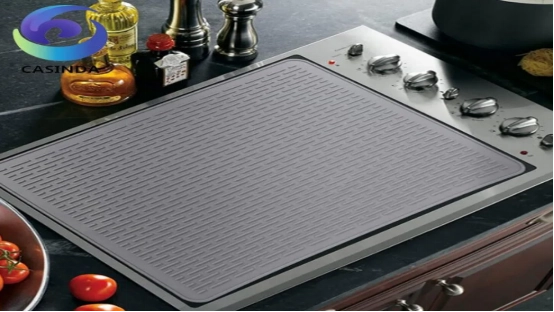
Uses cover gaskets, tubing, seals, conveyor belts, baking molds, and more components employed over broad temperature spans. It stays undissolved in water and any solvent. Plus, it proves non-toxic and odorless. It has steady chemical traits and fails to react with any substance except strong bases and hydrofluoric acid. These features render FDA compliant silicone dependable in upholding cleanliness during handling.
Makers must hold traceable files confirming that all ingredients align with the makeup rules of CFR Title 21 sections for rubbery materials.
Performance Considerations When Selecting FDA Compliant Silicone for Food-Contact Use
Performance elements hold a big part in picking FDA compliant silicone for food-contact setups. Heat tolerance guarantees shape steadiness in baking or sterilizing tasks. Meanwhile, pliability permits sealing reliability across changing pressures.
Tolerance to oils, acids, alkalis, and cleaning solutions aids extended lifespan in work settings with regular cleaning. The tensile strength can hit 500 PSI. And the resistance can reach 88 LBS. This proves solid and offers fine compression set. Such physical toughness assures steady sealing even after numerous pressure cycles.
Color steadiness avoids fading over time—a vital aspect in seen equipment sections—while non-stick traits boost cleanliness by cutting residue buildup on molds or transfer belts.
CASINDA ensures that its FDA compliant silicone products meet stringent standards, offering heat tolerance, pliability, and resistance to various chemicals.
Why Is NSF 51 Certification Important for Food Equipment Using Silicone Materials?
Scope of NSF 51 Certification Compared with FDA Compliant Silicone Standards
NSF 51 certification targets the final-use setting rather than just basic material makeup. It reviews how the full setup engages with food contact areas under working pressures like temperature shifts or cleaning routines.
This whole-system method ensures that every part—including gaskets from FDA compliant silicone—keeps up sanitary action once fitted in equipment. Certification also confirms that surfaces fight germ spread and stay simple to clean over their working duration.
In comparison, FDA compliance by itself cannot promise these working hygiene results. That is because it skips checking put-together equipment actions or design shapes that impact ease of cleaning.
Advantages of Using NSF 51 Certified Silicone in Food Equipment Design
For makers crafting commercial kitchen devices or handling machines, NSF 51 certification offers clear evidence of rule-following with health standards known globally. The certification label eases approval steps when accessing controlled markets such as North America or Europe.
It boosts buyer trust. That is since purchasers can spot product security via official tags on completed items. Moreover, employing NSF-certified silicones cuts legal risks tied to pollution events. This happens because each certified component has faced thorough review against cleaning measures.
How to Choose Between FDA Compliant Silicone and NSF 51 Certified Materials?
Evaluating Application Requirements Before Selecting a Compliance Pathway
Figuring out if FDA compliant silicone or NSF-certified material fits hinges on the planned role of the part in the setup. If the silicone acts as a standalone piece touching food right away—like tubing—it might just need FDA compliance papers.
But if it joins an assembled device where hygiene proof is required (for example, drink dispensers), then seeking complete NSF 51 certification turns vital. Elements like working temperature scope, wetness contact degrees, rate of cleaning rounds, and physical strain all need review before picking a rule path.
Balancing Cost, Performance, and Regulatory Assurance in Material Selection
From a financial view, choosing between these standards means weighing expense savings against danger control aims. For basic direct-touch pieces with small contact dangers, FDA compliant silicone may work fine without added certification expenses.
When full systems demand hygiene checks—for example in milk handling lines—NSF-certified silicones give firmer confidence at greater starting cost but reduced ongoing rule danger. Smart picking cuts extra testing while keeping strong record paths suitable for checks or vendor reviews.
Integration Strategies for FDA Compliant Silicone within NSF 51 Certified Systems
Combining Both Standards for Comprehensive Food Safety Assurance
Makers frequently blend both standards by crafting parts from FDA compliant silicone. At the same time, they certify whole setups under NSF 51 rules. This paired-rule approach heightens worldwide market welcome. That is since both U.S.-rooted material security rules and global hygiene checks get fulfilled at once.
The chemical makeup and physical build of silica gel set it apart. It holds many traits that other like materials cannot match: strong absorption ability, solid heat steadiness, reliable chemical traits, high physical power. These built-in qualities aid in reaching both chemical security (FDA) and physical hygiene (NSF) goals across varied roles such as drink serving valves or bakery conveyor seals.
Record matching between both setups simplifies inside checks. That is because common data groups—like leaching test outcomes—can fulfill various rule needs when properly linked across.
Practical Implementation Tips for Engineers Working with Food-Contact Silicones
Engineers ought to keep complete tracking of raw supplies from vendors through output batches. Use batch tracking files linked to quality control systems. Check processes must verify alignment not just with chemical makeup limits but also physical wholeness rules set under each standard.
Liquid silicone products material has traits of fine flow, quick curing, greater safety and eco-friendliness. And it can fully satisfy food grade needs. Using these qualities in design phases ensures even shaping quality while hitting rule hopes effectively.
Regular re-checks are suggested whenever recipe shifts happen or fresh cleaning solutions enter work settings. That is since these elements can affect rule standing as time passes.

FAQ
Q: What is the main difference between FDA compliant silicone and NSF 51 certified silicone?
FDA compliant silicone aligns with U.S. federal rules ensuring material security for direct food contact roles under CFR Title 21 terms. By comparison, NSF 51 certification confirms that materials in food equipment uphold sanitary action in working settings via wider system-level reviews.
Q: Can a product made with FDA compliant silicone automatically qualify as NSF 51 certified?
No. A product using FDA compliant silicone does not automatically achieve NSF certification. That is because the latter checks full equipment design—including connections and surfaces—for hygienic action beyond basic material chemistry alone.
Q: When should manufacturers choose FDA compliant silicone over NSF 51 certified materials?
Makers should pick FDA compliant silicone when making single parts like seals or tubing that touch edibles directly without whole-equipment proof. However, if end setups must meet health codes for business kitchens or big-scale handling sites, then getting full NSF certification stays wise.


 English
  Arabic
  French
  German
  Italian
  Japanese
  Korean
  Portuguese
  Russian
  Spanish
  Vietnamese