
Le silicone est l’un de ces matériaux que les gens pensent comprendre, jusqu’à ce qu’ils en choisissent un.
C'est flexible. Il ne fondt pas facilement. Il résiste à la chaleur, au froid, à l’eau et au temps mieux que la plupart des plastiques. C’est pourquoi il apparaît partout, des outils de cuisson aux équipements hospitaliers.
Mais une fois des mots comme qualité alimentaire, de qualité médicaleet corps-sûr commencer à apparaître, les choses deviennent désordonnées. Ils sonnent similaires. Parfois, ils sont même utilisés de manière interchangeable sur les pages de produits. C’est là que commencent les problèmes.
Parce que ces grades ne sont pas la même chose. Pas même près dans certains cas.
Silicone de qualité alimentaire: ce qu'il signifie vraiment
Le silicone de qualité alimentaire est fait pour toucher les aliments. C'est le travail.
Les régulateurs comme la FDA se concentrent sur une question principale ici: ce qui pourrait migrer hors du silicone dans les aliments, en particulier lorsque la chaleur est impliquée. Si le matériau reste stable dans ces conditions, il passe.
- Aucun transfert de produits chimiques nocifs vers les aliments
- Pas d'odeur, pas de goût
- Stable aux températures de cuisson
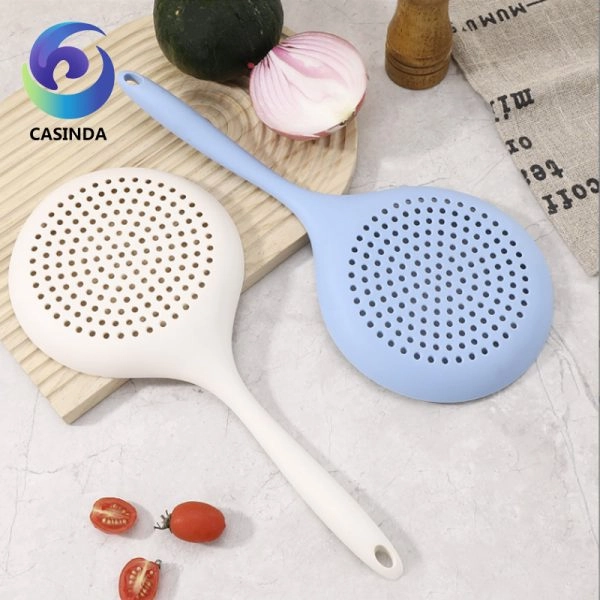
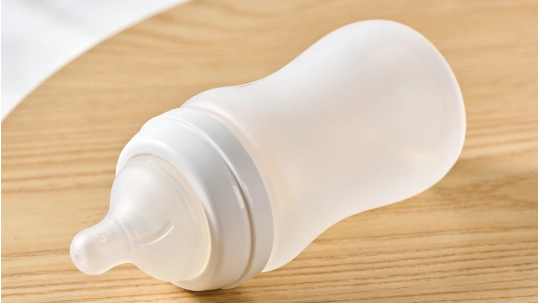
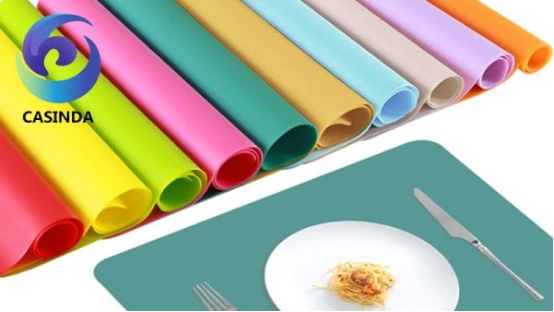
C’est pourquoi il est commun dans les tapis de cuisson, les spatules, les pièces de bouteilles de bébé, les moules de glace et les bouteilles d’eau pliables. Verser de l'eau chaude dans une bouteille de silicone ? Cas d'utilisation normal. Chauffer une feuille de cuisson en silicone à 200°C? Normale aussi.
Qu'est-ce que c'est pas Testé pour est le contact à long terme avec le corps humain. La peau, la pression, la sueur, les huiles, les frottements répétés ne font pas partie des tests de qualité alimentaire. Alors que la qualité alimentaire semble «sûre», cette sécurité est limitée aux scénarios alimentaires.
L'utiliser en dehors de ce contexte est au mieux une zone grise.
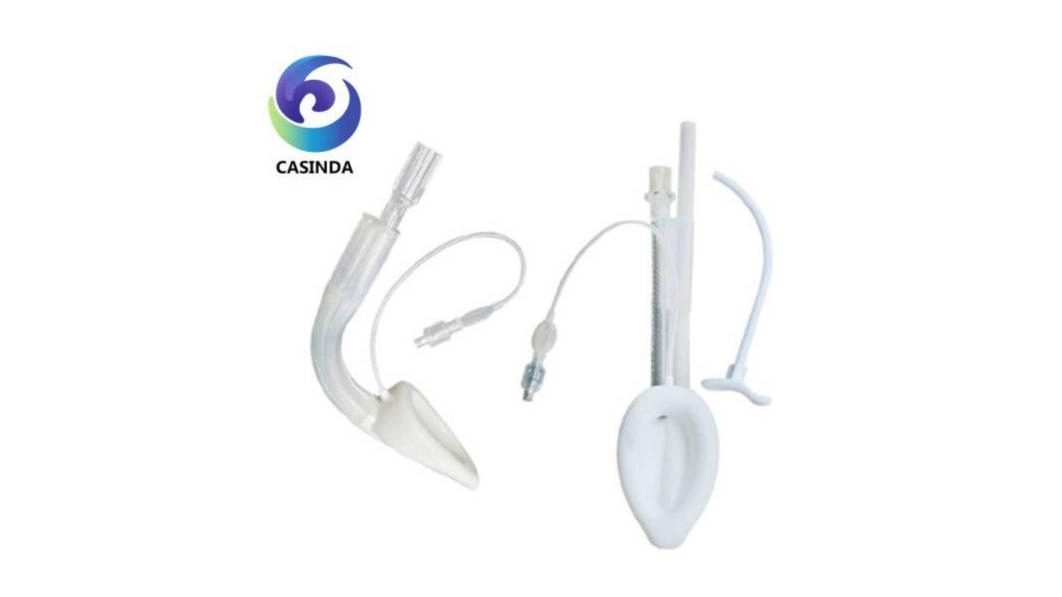
Silicone de qualité médicale: un niveau différent dans l'ensemble
Pour être admissible, il doit passer des tests de biocompatibilité comme ISO 10993 ou USP Classe VI. Ceux-ci ne se contentent pas de demander : « Est-ce toxique ? » Ils examinent l’irritation, la réponse tissulaire, l’inflammation et ce qui se passe au fil du temps.
C'est pourquoi ce grade apparaît dans :
- Cathétres
- Tubing chirurgical
- Produits de soins des plaies
- Implants
Si quelque chose reste à l’intérieur du corps, ou même contre la peau pendant de longues périodes sous pression, c’est généralement le matériau nécessaire.
Il y a aussi le côté manufacturier. Le silicone de qualité médicale ne se limite pas à la formulation. La production se déroule sous des contrôles plus stricts. Les lots sont traçables. La résistance à la stérilisation est importante. La documentation est importante. Beaucoup.
Cela coûte plus, oui. Mais la plus grande partie de ce coût n'est pas le silicone lui-même, c'est les systèmes de test, de validation et de qualité derrière lui.
Body-Safe Silicone: le terme le moins défini
« leComment le traitement des accessoires en silicone améliore la durabilité des produits – CASINDA» semble rassurant. C’est aussi le label le plus vague des trois.
Dans la plupart des cas, cela signifie que le silicone est considéré comme sûr pour le contact extérieur avec la peau. Pas de BPA. Pas de phtalates. Aucun irritant évident. C’est généralement là que se termine la définition.
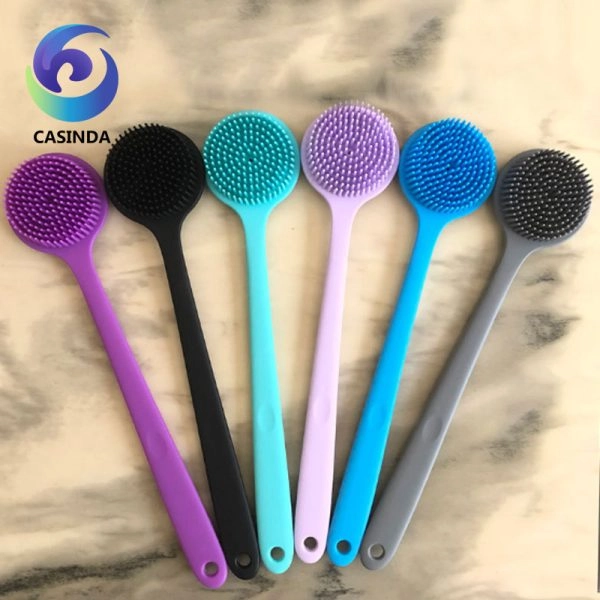
Ce type de silicone est couramment utilisé dans:
- Bracelets de montre
- Bandes de fitness
- Accessoires portables
- Outils de soins personnels
Un bracelet de montre en silicone en est un bon exemple. Il est assis sur le poignet toute la journée, transpire, se plie constamment et n'irrite pas la peau. Pour cette utilisation, le silicone sûr pour le corps fonctionne bien.
Mais voici l’erreur que les gens font: supposer que le corps est sûr est égal à la qualité médicale. Ce n'est pas le cas. À moins que des certifications spécifiques ne soient énumérées, le silicone sûr pour le corps n'a pas subi de tests de biocompatibilité médicale.
Pour tout contact interne, ou même prolongé et sensible, cette différence compte.
Là où se manifestent les vraies différences
Normes et tests
- Silicone de qualité médicale: ISO 10993, USP Classe VI
- Silicone de qualité alimentaire: règles de la FDA ou équivalentes pour le contact avec les aliments
- Silicone sûre pour le corps: souvent auto-déclarée sauf indication contraire
Si la documentation n’est pas disponible, la réclamation ne signifie pas grand-chose.
Pureté et additifs
Le silicone de qualité médicale utilise des matériaux de base hautement raffinés. Les additifs sont strictement contrôlés. Le silicone de qualité alimentaire permet certains additifs qui sont bons pour la cuisson mais pas adaptés à l'implantation.
Le silicone sûr pour le corps peut varier considérablement. Certains sont propres. Certains sont simplement « pas évidemment nocifs ».
Heure et lieu de contact
Cette partie est beaucoup négligée.
- Qualité alimentaire : bref contact, risque d’ingestion
- Body-safe: contact extérieur à court terme
- Qualité médicale : contact à long terme ou interne
L'utilisation d'un matériau en dehors de son type d'exposition prévu est l'endroit où les problèmes de sécurité ont tendance à apparaître.
Environnement de fabrication
Les produits de qualité médicale sont généralement fabriqués dans des environnements contrôlés avec une traçabilité stricte. La qualité alimentaire nécessite la propreté, mais pas des conditions stériles. Les produits sans danger pour le corps peuvent provenir de lignes de production standard, sauf indication contraire.
Des procédés comme le moulage en silicone liquide aident à réduire la contamination, mais seulement si le reste du système est correctement configuré.
Choisir le bon grade (sans trop réfléchir)
Quelques questions pratiques le résolvent généralement plus rapidement que n'importe quelle fiche de spécification:
- Quelle partie du corps – ou de la nourriture – touche-t-elle réellement ?
- Pendant combien de temps ? Minutes, heures, années ?
- La certification est-elle légalement requise pour cette catégorie de produits ?
- Que se passe-t-il si le choix du matériel est contesté plus tard?
Le silicone de qualité médicale n’est pas automatiquement « meilleur » pour chaque produit. L’utiliser pour un bracelet simple n’ajoute pas de valeur réelle. Mais utiliser du silicone de qualité alimentaire dans un dispositif médical? C'est un problème sérieux.
L’objectif n’est pas le plus haut niveau. C'est le bon.
La silicone de qualité alimentaire, sûre pour le corps et médicale sert à des fins différentes. Les différences ne sont pas uniquement liées au langage marketing, elles sont liées aux tests, aux contrôles de fabrication et aux conditions d’utilisation réelles.
CASINDA choisit correctement de maintenir les produits sûrs et conformes. Choisir imprudentement crée des risques qui ne se manifestent pas avant qu’il soit trop tard.
Comprendre où chaque grade convient est ce qui sépare un produit décent d'un produit problématique.
FAQ
Q: Le silicone sans danger pour le corps est-il le même que le silicone de qualité médicale?
R : Non, pas vraiment. Le silicone sans danger pour le corps est bon pour une utilisation extérieure et seulement pour de courtes périodes. Les choses de qualité médicale obtiennent des tests beaucoup plus sérieux. C’est vraiment bon de mettre à l’intérieur du corps ou d’utiliser pendant longtemps.
Q: Le silicone de qualité alimentaire peut-il être utilisé sur le corps humain?
R: Il est fait pour la nourriture, pas pour traîner sur la peau pendant des heures ou aller à l'intérieur de vous. Ne l’échangez pas pour du silicone sûr pour le corps ou de qualité médicale lorsqu’il s’agit de santé ou de corps.
Q: Quelles certifications devrait avoir le silicone de qualité médicale?
R: Les grands que les gens recherchent sont ISO 10993 et USP Classe VI. Ceux-ci vérifient s'il est toxique, s'il irrite la peau et s'il joue bien avec le corps à long terme.


 French
  English
  Arabic
  German
  Italian
  Japanese
  Korean
  Portuguese
  Russian
  Spanish
  Vietnamese