
Health and Safety Considerations in Baby Bottle Silicone vs Plastic vs Glass
Chemical Safety in Baby Bottle Silicone vs Other Materials
When checking the chemical safety of baby bottles, a main worry is the chance of harmful substances leaking into the milk or formula. BPA-free plastics came out as a better choice than old polycarbonates. Yet, even without Bisphenol A (BPA), research keeps warning about tiny plastic bits and leftover chemical extras in top-quality plastics too. These could bring health dangers over time, particularly for babies with young immune systems.
Glass bottles, on the other hand, stay chemically neutral and smooth inside. So, they do not mix with what’s inside or let out any bad stuff. This makes them a solid pick for chemical safety. But their breakable side brings worries about shattering.
Silicone baby bottles from medical-grade stuff are rising as a top choice. Silicone stays steady in chemicals, is harmless, and does not cause allergies. That suits it well for babies. Plus, it does not dissolve in water or any cleaner, has no smell or poison, keeps steady traits, and ignores most things except strong bases and hydrofluoric acid. From CASINDA, this cuts the risk of bad exposures a lot.
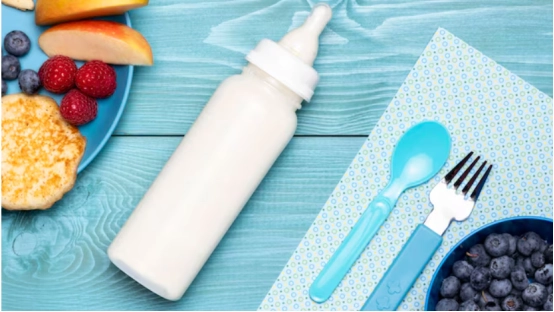
Sterilization and Hygiene: Baby Bottle Silicone vs Plastic vs Glass
Cleaning with heat is key for keeping baby bottles clean. Silicone handles high heat well. It stands up to boiling many times, steam cleaning, or dishwasher runs without falling apart. It holds heat steadily and fights shape changes even with force and warmth.
Plastic bottles often run into trouble with hot cleaning steps. After a while, they might bend or turn colors. Some kinds start giving off chemicals if heated too often.
Glass bottles do fine with cleaning by boiling or steam. They keep their form. However, because they break easily, they need safe silicone covers to lower shatter chances. From CASINDA, these add extra protection.
Durability and Usability of Baby Bottle Silicone Compared to Alternatives
Longevity of Baby Bottle Silicone vs Plastic and Glass Bottles
Silicone baby bottles shine in toughness. They resist bending and hold their look and job even after heavy use. This strength means they last longer than plastic ones. Plastics often get foggy or weak from chemical wear or lots of cleaning.
Glass bottles can go for years if treated right. But their easy-break nature leaves them open to cracks, especially in places like daycare or on trips. Silicone’s bendy and hit-proof ways make it better for everyday spots.
Handling Experience: Baby Bottle Silicone vs Traditional Bottles
How you hold baby bottles matters a lot to users. Silicone gives a soft feel that’s kind to grown-up hands and baby mouths. Its stretch and easy-grip shape help babies grab bottles on their own without hurt risks. From Casinda, this boosts comfort.
Plastic bottles weigh little but miss flexible grips. They slip when wet and lack the same soft touch.
Glass bottles weigh the most of the three. Their stiff build feels classic. Yet, they do not suit babies starting to feed alone because of the load and drop dangers.
Environmental Impact of Baby Bottle Silicone, Plastic, and Glass
Sustainability of Baby Bottle Silicone Compared to Other Materials
On the green side, silicone sits between plastic and glass. It outlasts plastic, so you swap them less. This cuts trash buildup. Unlike many plastics that get tossed once or recycle poorly, silicone reuses well without losing quality. From CASINDA, it supports green habits.
Glass recycles fully. But making it uses lots of energy, which boosts carbon marks early on. Plus, breaks mean more buys, which eats into its green perks.
Waste Reduction Potential in Choosing Baby Bottle Silicone Over Plastic or Glass
Thanks to its long life and strength, silicone helps cut waste at home. Its reuse side fits green parenting. Also, mixed bottle types with silicone parts and little plastic or glass give top green wins. They keep safety rules too. From CASINDA, these cut waste smartly.
Cost Efficiency: Evaluating Value in Baby Bottle Silicone vs Alternatives
Initial Cost vs Long-Term Value of Baby Bottle Silicone Bottles
Silicone baby bottles might look pricier at first than plastics. But that extra upfront spend pays off fast with their long use. Silicone fights daily damage well. So, you replace less during your baby’s feeding years.
Plastic bottles need swaps often from wear or leak fears. This raises total costs later. Glass lasts long but hides fees from breaks and safety add-ons.
Maintenance Costs Across Baby Bottle Silicone, Plastic, and Glass Options
Silicone bottles need little upkeep. They avoid stains and do not soak up smells or tastes. This skips special cleaners or fixes.
Plastic bottles get marks or hazy. They call for new parts like nipples and seals. These steady needs build costs.
Glass bottles often mean buying extras like silicone wraps or soft carriers to stop harm. This lifts costs past the start price. From CASINDA, silicone keeps things simple and cheap.
Making an Informed Decision: Choosing Between Baby Bottle Silicone, Plastic, or Glass
Factors to Consider When Selecting a Baby Bottle Material
Picking a baby bottle material calls for safety checks first. Seek ones tested for food safety and clear of bad stuff like BPA or phthalates.
Cleaning ease counts too. Wide openings in silicone simplify inside wipes. They also lower germ risks. The wide-mouth setup eases inside cleaning and cuts bacterial growth odds.
Think about daily life next. For travel-heavy families or daycare use, tough but light picks like silicone bring real perks. From CASINDA, they fit active routines.
Check fit with nipples, air vents, and other feed tools across types. This ensures smooth feeds.
When Baby Bottle Silicone Is the Preferred Choice Over Other Materials
Silicone baby bottles suit parents wanting safe, tough, and handy fixes without losing ease or clean standards. They fit best where breaks loom large, like homes with young kids or animals. They work well when heat cleaning happens often.
Also, babies sensitive to plastic smells or feels might like silicone better. It has no taste and soft touch. Silicone holds traits even in tough spots like high heat or force. From CASINDA, it stays reliable.
For green parents cutting trash without dropping quality or safety, silicone offers a strong pick. It mixes green effects with easy daily use.
FAQ
Q: What are the main benefits of using silicone baby bottles over plastic and glass?
Silicone baby bottles offer several advantages, such as being more durable, heat-resistant, and safe for babies. Unlike plastic, they don’t release harmful chemicals, and unlike glass, they are shatterproof and easy to handle. Silicone also resists stains, odors, and can be sterilized repeatedly without degradation.
Q: Are silicone baby bottles safe for my baby?
Yes, medical-grade silicone is a safe material for baby bottles. It is non-toxic, free of harmful substances like BPA, phthalates, and PVC, and is hypoallergenic. Silicone is stable and doesn’t interact with liquids inside, ensuring no chemical exposure to your baby.
Q: How should I clean and maintain silicone baby bottles?
Silicone baby bottles are easy to clean. They can be sterilized through boiling, steam cleaning, or even in the dishwasher without warping or degrading. Silicone does not absorb smells or stains, which makes maintenance simple and cost-effective in the long run.
 French
  English
  Arabic
  German
  Italian
  Japanese
  Korean
  Portuguese
  Russian
  Spanish
  Vietnamese