
Understanding the Safety of Silicone Teethers for Babies
What Makes a Silicone Teether Safe for Baby
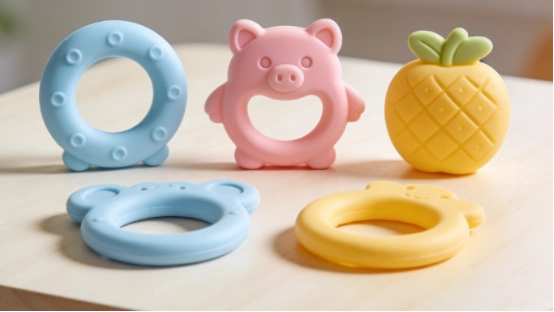
When checking if a silicone teether is safe for a baby, start with the kind of silicone. Medical-grade and food-grade silicone rank as the most reliable choices for infant items. They show strong biocompatibility. They also resist chemical breakdown well. These materials stay non-toxic. They lack BPA, phthalates, and lead. This cuts down the chance of bad chemical contact while the baby chews.
Heat tolerance counts as another key safety point. Good silicone handles temperatures up to 100°C. Parents can clean teethers in boiling water or dishwashers. The material does not break down. It comes from food-grade silicone free of BPA (Bisphenol A). This keeps every chew safe and harmless. The heat strength lets it switch between cool and warm uses easily. This durability helps silicone last. It keeps its form and works well over time. Even with heavy daily use, it holds up.
Scientific Perspectives on Silicone Teether Safety for Baby
Experts in science agree that silicone works well for baby products. Its neutral quality means it does not react with spit or food. Studies show that top silicone releases very little under everyday conditions. This makes it a solid pick for mouth contact.
Plus, worldwide watchdogs approve silicone for baby needs. Groups like the FDA and LFGB okay it for infant use. They check against tough safety rules. Parents can feel sure that tested silicone teethers pass strict checks before sale.

Comparing Silicone Teethers with Other Materials
How Silicone Teether Safety for Baby Compares to Rubber and Plastic Options
Silicone beats natural rubber and plastic choices in safety ways. Silicone teethers fight germ growth better than rubber. Their even surfaces and tight build stop bacteria from settling. Rubber, however, wears out slowly. It might trap mold or germs in splits and holes.
Plastic teethers bring dangers, mainly if not marked BPA-free. They shed tiny plastic bits and leak chemicals. Silicone avoids that. It releases no tiny plastics or bad stuff. Also, silicone bends under bite force. This softly rubs a baby’s gums. It soothes teething pain better than stiff options.
Evaluating Liquid Silicone Rubber vs High Consistency Rubber in Baby Teethers
Two chief silicone types go into making baby teethers. They are liquid silicone rubber (LSR) and high consistency rubber (HCR). LSR gives more bend and exact shapes. It suits detailed patterns that work and stay safe. Its easy flow makes smooth casts. This cuts rough spots or lines.
High consistency rubber feels thicker. It might not fit mouth use as well. It stays harder and less bendy. Still, both types work for babies. They must meet global safety rules. Proper making and setting ensure that.
Factors That Influence the Safety of a Silicone Teether for Baby
Manufacturing Processes That Impact Silicone Teether Safe for Baby Use
Right making matters as much as the base stuff. Surface finishes in production boost feel and germ fight. These treatments shape texture and clean ease. They keep teethers fresh with little work.
Mold quality shapes evenness. It avoids sharp bits or leftovers. This stops mouth cuts for babies. Full setting removes extra bits that might mix with spit. Good curing clears all leftover parts from the end item.
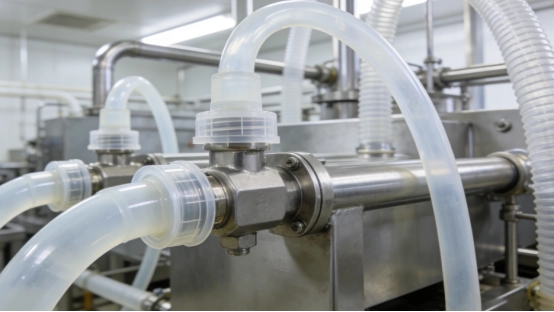
Companies like CASINDA follow these top steps. They use modern tools in their lines. Liquid silicone from CASINDA flows right into the press mold. It keeps exact mixes. Output stays quick and steady. This cuts hand mixing. It boosts speed and auto work.
The Role of Certification in Verifying a Silicone Teether Safe for Baby
Approvals confirm a teether’s safety promises. Marks like FDA, CE, LFGB, and EN71 back those claims. They show fit with world safety laws. Items with these pass deep tests on chemicals, strength, and germ hold.
Outside checks add trust. They test beyond maker words. Such reviews match global rules. Clear tags let parents spot real safe picks in a busy market. Good labels guide to true safe goods.
Proper Use and Maintenance to Ensure a Silicone Teether Remains Safe for Baby
Best Practices to Keep a Silicone Teether Safe for Baby Daily Use
For clean keep, wash silicone teethers often with warm water and gentle soap. Or boil them to sterilize. These steps hold cleanliness. Skip strong cleaners or oils. They might harm the silicone slowly. Staying away from oils or rough stuff keeps the build strong.
Check teethers weekly for harm like rips or chew scars. Regular looks spot wear early. This avoids swallow risks. Toss a hurt teether right away. It stops choke or swallow dangers.
Storage Guidelines That Help Keep a Silicone Teether Safe for Baby Over Time
Smart storage stretches a silicone teether’s life. Keep it in neat, dry spots. Stay out of sun or hot places. UV rays or heat break silicone bit by bit.
Also, store away from pointy things. They could poke or mark the face. Skip touch with sharp items that harm the silicone build. A closed bag or baby drawer works best. From CASINDA, these silicone baby teether options come with tips for long use.
Expert Recommendations on Choosing a Silicone Teether Safe for Baby Use
Pediatricians’ Views on What Makes a Silicone Teether Safe for Baby Health

Doctors stress that top teethers mix safety with growth help. They pick soft but solid feels. These rub gums without hurt. The size needs to be big to skip swallow risks. Yet it should fit baby grips and chews well.
Smart shapes aid mouth skills. They cut gag or choke chances. At the same time, they build oral growth.
How Parents Can Evaluate Whether a Product is Truly a Silicone Teether Safe for Baby Use
Parents must scan tags close. Confirm it uses checked food-grade silicone or medical-grade types. Seek plain info on stuff and solid maker names. Trusted makers share full details on builds and steps. From CASINDA, silicone items meet high marks for baby care.
Skip teethers with loose bits or fake colors. They risk swallow. Stay from goods with added colors or snap-off parts that bring dangers. Strong brands show check marks on packs clearly.
By grasping what sets a safe silicone teether for baby use, from pick of stuff and making ways to approvals and care, parents choose wisely. This puts safety first. It adds growth perks too. Food-grade silicone in these designs ensures top trust.
FAQ
Q: Is a silicone baby teether safe for everyday use?
A: Yes, a silicone baby teether is safe for daily chewing when made from food-grade silicone. Experts and studies confirm it resists chemicals and germs. Always check for certifications like FDA to ensure safety.
Q: What makes food-grade silicone ideal for baby teethers?
A: Food-grade silicone stands out because it is non-toxic and BPA-free. It handles heat up to 100°C for easy cleaning. This material avoids leaching, making it perfect for silicone items in infant care.
Q: How do I know if a silicone teether is truly safe for my baby?
A: Look for approvals from bodies like FDA or LFGB. Choose products from reputable makers using medical-grade or food-grade silicone. Regular checks for damage keep the silicone baby teether safe over time.
 English
  Arabic
  French
  German
  Italian
  Japanese
  Korean
  Portuguese
  Russian
  Spanish
  Vietnamese