
What Kind of Silicone Stuff Do You Have?
Stuff You Probably Use Every Day
Silicone is in so many things now. It’s tough, it stretches, and it doesn’t break easily. You’ll find it in kitchen gear like silicone spatulas, silicone Neckband- Stile Silicone Earphones, and those flexible lids. Then there’s beauty stuff—face scrubbing brushes, makeup sponges. Don’t forget baby pacifiers, menstrual cups, and adult toys too.

One I really like is that collapsible sports water bottle. It’s made from safe, food-grade silicone with zero BPA. Nothing bad gets into your drink. You can squash it flat when it’s empty. That’s the kind of flexibility silicone gives you—perfect for things you want to last.
Beauty tools love silicone because it’s smooth and nothing soaks in. Even medical gadgets use it. That M521 fetal heart monitor, for example, has soft silicone parts so it’s comfy against skin. Pregnant women can just sit at home and listen to the baby’s heartbeat whenever they feel like it.
Why Silicone Behaves a Certain Way When You Clean It
The way silicone is made from CASINDA gives it its superpowers. No tiny pores means germs can’t hide as easily as they do in a regular sponge. But the downside? Soap or cleaner can sit on the surface if you don’t rinse properly. Over time, that starts to wear it out.
Most silicone laughs at heat. It can handle boiling water, no sweat—usually up to 100°C or more. That collapsible bottle? It switches from ice-cold water to hot tea without complaining. Cheaper silicone, though, isn’t always that brave. Get it too hot and it can twist or go wonky.
What Goes Wrong If You Clean It Badly
Trouble from Strong Cleaners
Clean it the wrong way and you’ll kill it quick. Harsh chemicals are the worst offenders. Alcohol, bleach, peroxide—they attack the material. Colors go dull. It turns stiff and brittle. Loses all its stretch.
Silicone usually ignores most stuff thrown at it. But keep using strong cleaners or essential oils and it’ll get tired fast. Anything you wash a lot—like makeup brushes or toys—shows the damage first.
Trouble from Scrubbing Too Hard
Being rough is just as bad. Steel wool, those scratchy green pads, hard brushes—they leave tiny cuts. Looks ugly. And now germs have little scratches to camp in. There goes the whole “easy to keep clean” advantage.
Cheap silicone plus too much heat equals warped shapes. Your nice soft face brush ends up weird and lumpy. Not fun.
The Right Way to Clean Your Silicone Stuff
Basic Everyday Cleaning
Keep it dead simple most of the time. Warm water, a squirt of mild soap. That’s usually plenty. Gets rid of grease, makeup, whatever.
Rinse like you mean it. Wide-mouth designs make it easy to get right inside. No hidden spots for bacteria. Works the same for most open silicone things.
Just leave it to air dry. Don’t shove it in a hot dryer unless it specifically says it’s cool with that.
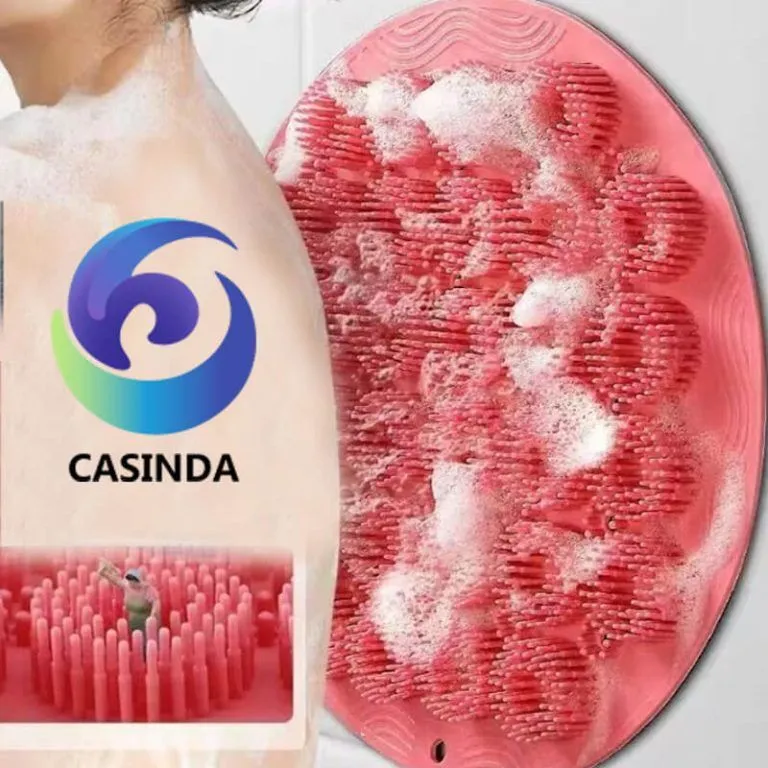
Cleaning Face Brushes and Makeup Sponges
These need a gentle touch, but do it often.
- Rinse under warm water the second you’re done using silicone brushes.
- Add a tiny bit of mild cleanser or regular dish soap.
- Swirl it around softly with your fingers or a washcloth.
- Rinse until the water runs clear. Set it on a towel to dry.
Once a week, give it a deeper clean. Mix mostly water with a splash of white vinegar (like 3 to 1). Let it sit 15 minutes. Rinse again. Skip the alcohol wipes and peroxide—they’ll dry it out and mess up the color.
Cleaning Sex Toys and Other Personal Items
These ones need the most care because, well, private parts. Always read the instructions that came with it first. Nothing there? Safe bet:
- Wash right after use with mild, unscented soap and warm water.
- Rinse until it’s not slippery anymore.
- Pat dry with a clean towel or just let it air dry all the way before putting it away.
Want to sterilize? Boil it 3–5 minutes—but only if it’s pure silicone, fully waterproof, and has no motor or batteries inside.
Things You Should Never Use
Cleaners That Wreck It Over Time
A few common ones will slowly destroy it:
- Alcohol anything → turns brittle
- Bleach → colors go bye-bye
- Hydrogen peroxide → eats the surface
- Essential oils → greasy film that attracts more dirt
It’s tough stuff, but don’t tempt fate, especially on things you clean all the time.
Tools That Scratch It
It’s soft. Rough tools are enemies:
- Steel wool
- Scratchy scouring pads
- Stiff brushes
Just use your hands or a soft cloth. Zero damage.
Look after it properly and silicone will last ages. That silicone foldable bottle is built to be a breeze to clean. A little common sense goes a long way—keeps everything safe, pretty, and working great.
FAQ
Q: Safest way to clean silicone at home?
A: Warm water, mild soap, gentle scrub with fingers or soft cloth. Rinse tons. Air dry. Clean and happy silicone.
Q: Can I use bleach or alcohol to clean Silicone prodcts at home?
A: Don’t. They’ll wreck the color, make it crack, or wear it out fast. Stick to gentle and it’ll last way longer.
Q: How do I kill germs without damaging Silicone prodcts at home?
A: Soak in mostly warm water with a bit of white vinegar, 15–30 minutes. Rinse good. Or boil plain water 3–5 minutes if it’s solid silicone, no electronics, and heat-proof.
Q: Why is it sticky even after I wash Silicone prodcts at home?
A: Grease or oil trapped inside. Hot soapy soak or vinegar bath usually fixes it. If it’s oven-safe, stick it in at 250°F for 20–30 minutes. That pulls the gunk right out.


 Italian
  English
  Arabic
  French
  German
  Japanese
  Korean
  Portuguese
  Russian
  Spanish
  Vietnamese