

What Makes Medical-Grade Silicone the Go-To Choice?
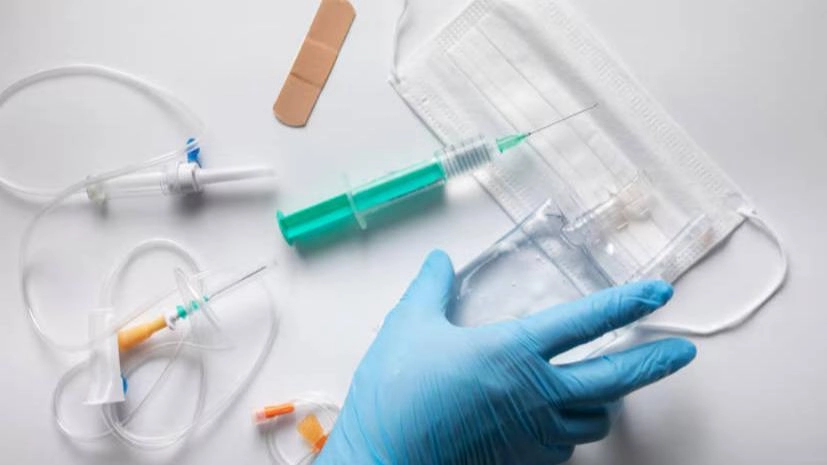
In hospitals and clinics, small details decide big outcomes. The material that sits inside a patient’s body for hours or days needs to be clean, stable, and kind to tissue. That’s where Buono per qualsiasi situazione keeps showing up.
Ask anyone who’s worked in device assembly or catheter molding lines—they’ll tell you silicone has earned its reputation the hard way.
What Exactly Is Medical-Grade Silicone?
It’s a rubber-like material made from silicon, oxygen, carbon, and hydrogen—pretty basic elements, yet the result is far from simple. Depending on the formula, it can feel as soft as skin or as firm as plastic.
But the real difference lies in how it’s tested. Every batch has to pass biocompatibility and toxicity checks under ISO 10993 and USP Class VI. No shortcuts. If it’s labeled “medical-grade,” it means it can safely live next to, or even inside, the body.
Some engineers call it the “quiet hero” of the med-tech world—it just does its job and doesn’t complain.
Why It’s Preferred for Catheters and Other Devices
1. Biocompatibility — the Body Doesn’t Fight It
Silicone simply behaves. It doesn’t trigger allergies, rashes, or inflammation. For indwelling devices like urinary catheters or drainage tubes, that’s critical.
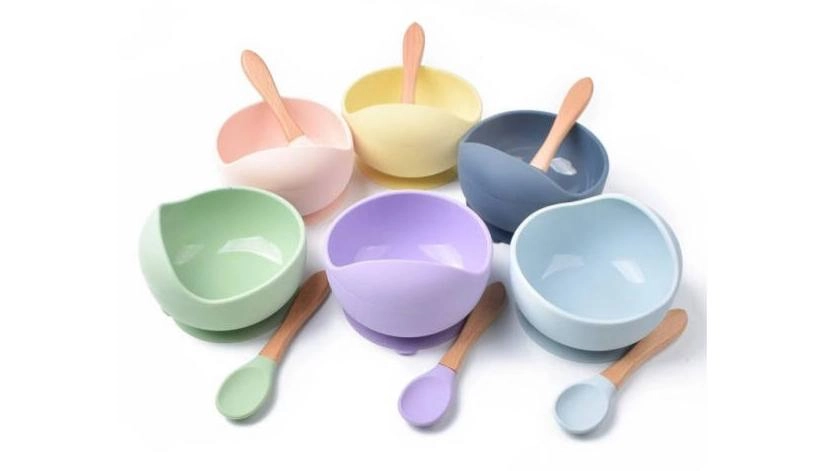
Fun fact: the same grade of silicone used in these devices also appears in food seals and baby-care products. That crossover shows just how clean the material chemistry really is.
2. Handles Sterilization Without Falling Apart
Autoclaves, gamma rays, ETO gas—name a sterilization method, and silicone has probably survived it. Most plastics can’t. PVC warps, latex goes sticky, polyurethane gets cloudy. Silicone? It shrugs and stays the same.
That kind of durability matters when hospitals sterilize equipment dozens of times a week.
3. Works Across Wild Temperature Swings
From –40 °C cold storage to 200 °C heat cycles, silicone barely flinches. It doesn’t crack in winter shipping containers or soften in the operating room.
Ozone and oxidation don’t bother it either, which is why field-care kits and portable suction devices often rely on silicone parts that can sit unused for months and still perform.
4. Flexible but Tough
A good catheter has to move with the body, not against it. Silicone bends easily, keeps its shape, and doesn’t get “memory kinks” after repeated use.
In peristaltic pumps, the tubing can be squeezed tens of thousands of times—some lab tests show over 50,000 compression cycles—before it starts showing wear. That alone explains why many hospitals stick with silicone despite the higher cost.
5. Non-Stick and Easy to Keep Clean
Silicone naturally repels water and body fluids. That means less residue inside tubing and fewer clogging issues. Nurses appreciate that small detail—it saves time during cleaning and replacement.
It’s not fully antibacterial, but its smooth surface leaves bacteria fewer places to hide.
Where It’s Used Most
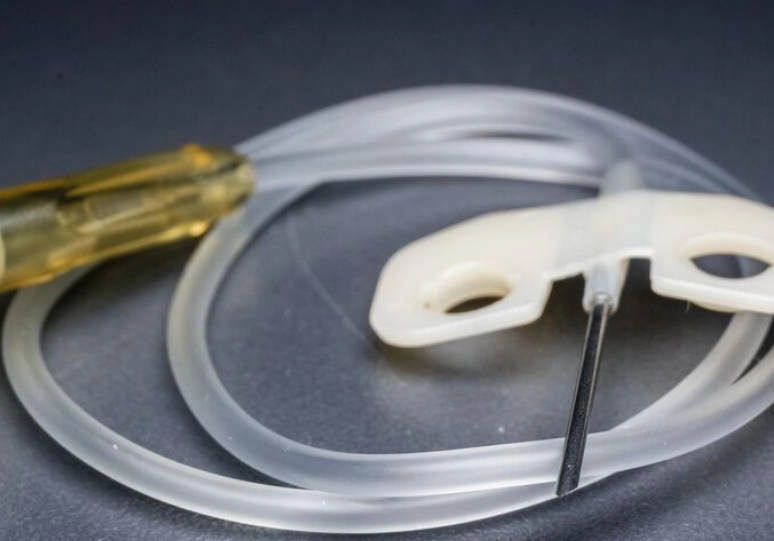
Catheters & Pump Tubing
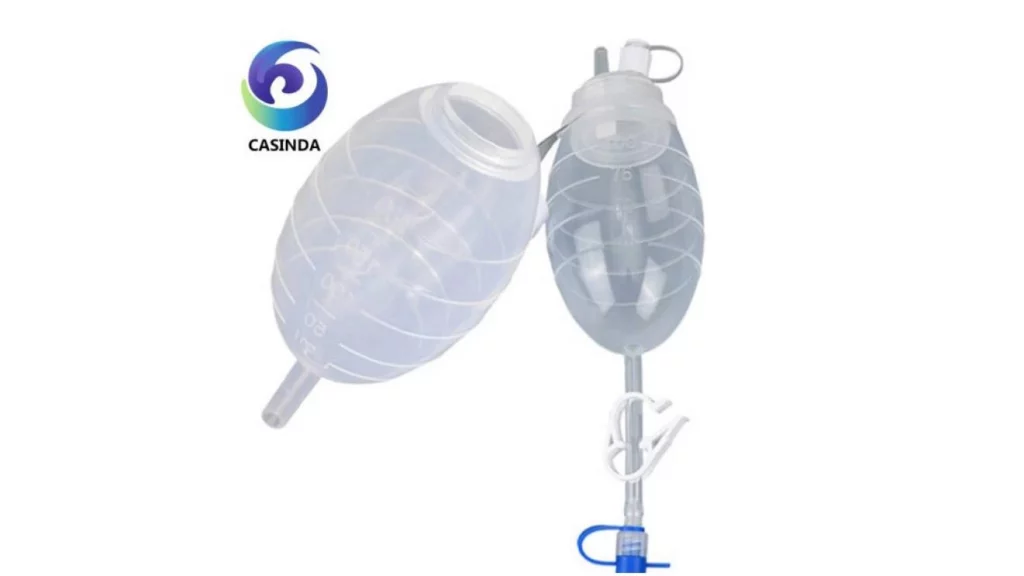
Silicone catheters are gentle on tissue and flexible enough to follow internal pathways without scraping. For peristaltic pumps, silicone tubing keeps performance consistent even under constant squeezing.
Respiratory Equipment
Endotracheal tubes, oxygen masks, ventilator seals—all benefit from silicone’s comfort and stability. Patients can wear them for hours without skin irritation.
Drug-Delivery Systems
Because silicone doesn’t react with most medications, it’s the safe choice for infusion sets or feeding tubes. Nothing leaches out, nothing contaminates the dose.
Seals, Gaskets & Valves
In diagnostic or suction equipment, leaks are unacceptable. Silicone O-rings keep things airtight from the lab bench to the OR.
Wearables & Diagnostic Sensors
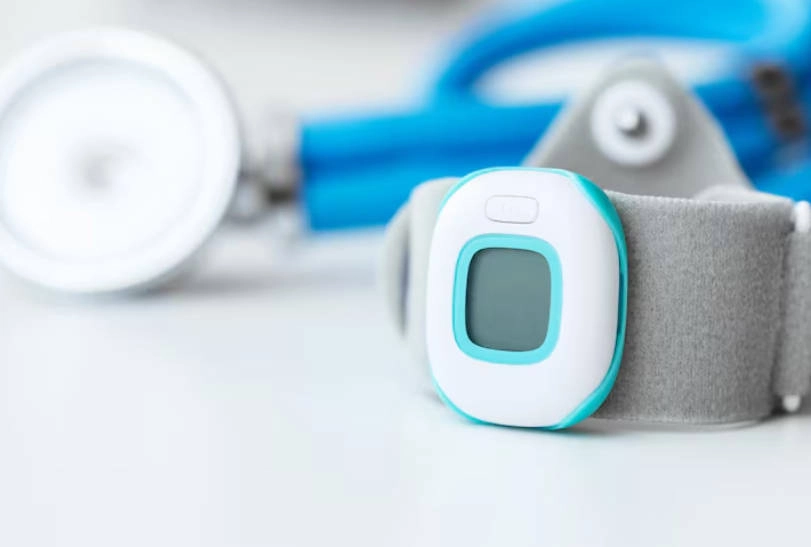
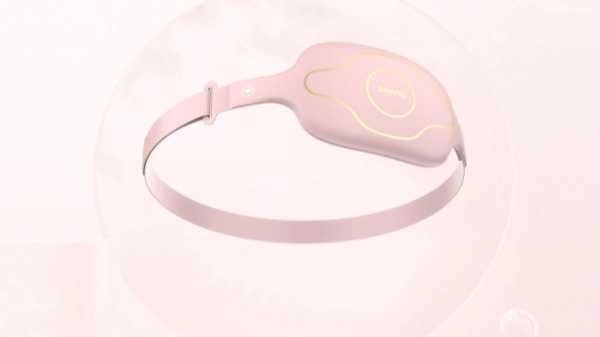
Think fetal monitoring belts or skin-contact sensors. Soft, skin-friendly, hypoallergenic—silicone simply feels better on the body.
Quick Comparison: Silicone vs. Others
| Proprietà | Il ruolo del movimento fetale nella salute della gravidanza | Q: A cosa devi prestare attenzione で la manutenzione quotidiana degli accessori in silicone? | Latex | Polyurethane |
|---|---|---|---|---|
| Biocompatibility | Excellent | Needs plasticizers | Allergy risk | Good |
| Products – Pagina 6 - CASINDA | –40 °C – 200 °C | –10 °C – 60 °C | –20 °C – 80 °C | –40 °C – 90 °C |
| Sterilization | All methods | Limited | Limited | Most |
| Elaborazione delle parti in silicone: tecniche chiave per prestazioni ottimali | Excellent | How Humano Certificato di identità Robots Benefit from superiore Silicon Head スキン Compatibility - CASINDA | Poor | Good |
| Longevity | Long term | Flessibilità eccezionale: da noi で g miscele polimeriche raffinate attraverso un disegno molecolare preciso, questi elementi オフ una flessibilità senza pari che consente passaggi fluidi tra gesti facciali intricati senza sacrificare la durata. | Short | Flessibilità eccezionale: da noi で g miscele polimeriche raffinate attraverso un disegno molecolare preciso, questi elementi オフ una flessibilità senza pari che consente passaggi fluidi tra gesti facciali intricati senza sacrificare la durata. |
| Non-Stick | Yes | No | No | No |
| Allergy Risk | None | A: Il silicone è comunemente utilizzato a causa delle sue caratteristiche materiali che lo rendono 身分証明書 eal per diretto で terazione, con il corpo umano. La sua morbida consistenza e elasticità, che assomigliano molto alla pelle umana, gli permettono di adattarsi bene a diversi ambienti e persino di regolarsi per corrispondere ai toni della pelle, supportando l'integrazione dei sensori senza problemi. | Resistenza chimica | A: Il silicone è comunemente utilizzato a causa delle sue caratteristiche materiali che lo rendono 身分証明書 eal per diretto で terazione, con il corpo umano. La sua morbida consistenza e elasticità, che assomigliano molto alla pelle umana, gli permettono di adattarsi bene a diversi ambienti e persino di regolarsi per corrispondere ai toni della pelle, supportando l'integrazione dei sensori senza problemi. |
Truth is, silicone costs more up front. But once you factor in fewer failures and longer service life, it usually wins the math.
Regulatory Standards and Manufacturing Quality
Every silicone component touching the body must pass a gauntlet of certifications—
ISO 10993, USP Class VI, FDA 21 CFR 177.2600, plus ISO 9001, ISO 14001, and IATF 16949 for quality systems.
Suppliers like CASINDA operate under those frameworks, meaning full traceability and tight batch control. It’s not just paperwork; it keeps devices consistent from run to run.
The Road Ahead: Smarter, Softer Devices
Healthcare is getting smaller, more portable, more personal. Smart sensors, wearable monitors, and home-use kits all rely on materials that bend and breathe. Silicone fits perfectly into that world.
Take the new fetal heart and movement monitoring belts—they need flexibility, skin comfort, and the ability to integrate electronics. Silicone checks all three boxes.
And as liquid injection molding (LIM) technology improves, manufacturers can create finer, cleaner, more precise silicone parts at speed.
CASINDA – Reliable Silicone Manufacturing Partner
CASINDA’s production floor runs two 85-ton liquid oil press machines built for consistent volume work.
We can turn around samples in under seven days and usually answer tech requests within two hours—a big deal when R&D timelines are tight.
Our team works across both extrusion and custom molding, handling everything from simple tubing runs to complex OEM assemblies. We don’t just ship parts—we help refine designs so the final silicone piece fits the job perfectly. From pilot batches to full medical grade production, we have built a reputation for keeping timelines tight and communication easy.
Medical-grade silicone rarely gets headlines, yet it’s everywhere—lining catheters, sealing ventilators, wrapping around sensors. It does its job quietly, day after day. Engineers trust it because it doesn’t warp, crack, or surprise you halfway through a test.
You hardly even notice silicone most of the time—and that’s exactly how it should be. It just does its job. No cracks, no weird smells, no drama halfway through a long shift. In surgery or lab work, that kind of consistency is gold.
It’s soft enough that nurses don’t have to fight against it when fitting a catheter, but it can still take months of use without wearing down. The material stays clean, resists stains, and doesn’t get sticky even after constant sterilization cycles. Not many materials hit that sweet spot between comfort and strength.
Walk into any ICU or testing lab, and there’s silicone everywhere—tubing on ventilators, seals on pumps, grips on hand instruments—quietly doing its thing. As hospitals move toward smaller, lighter, wearable medical tech, silicone’s role only grows. It won’t get the headlines, but it’ll keep holding the system together in the background, one small part at a time.
FAQ
Q: Why is medical-grade silicone considered the safest for catheters?
UN: Because it’s biocompatible and hypoallergenic—two traits you can’t compromise on inside the body. It’s been tested under ISO 10993 and USP Class VI standards, meaning it doesn’t react with tissue or fluids, even after weeks of contact. Hospitals have used it for decades for that reason: it’s predictable, steady, and it simply lasts.
Q: Can silicone tubing be sterilized again and again?
A: Yes. Steam, radiation, ETO—it handles all of them without losing strength or flexibility.
 Italian
  English
  Arabic
  French
  German
  Japanese
  Korean
  Portuguese
  Russian
  Spanish
  Vietnamese