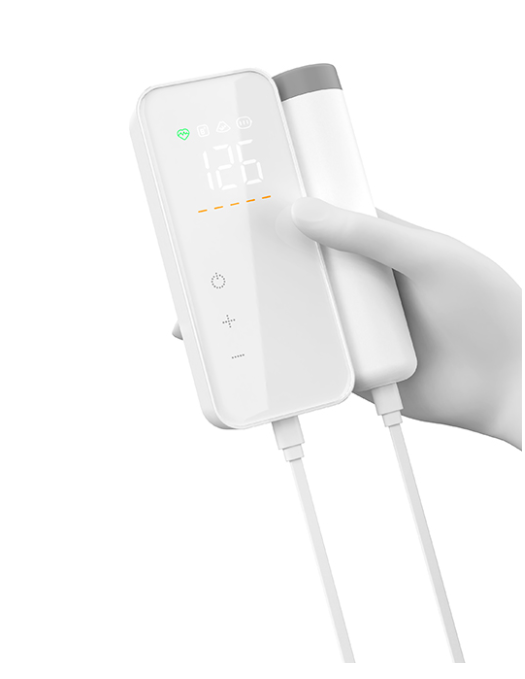
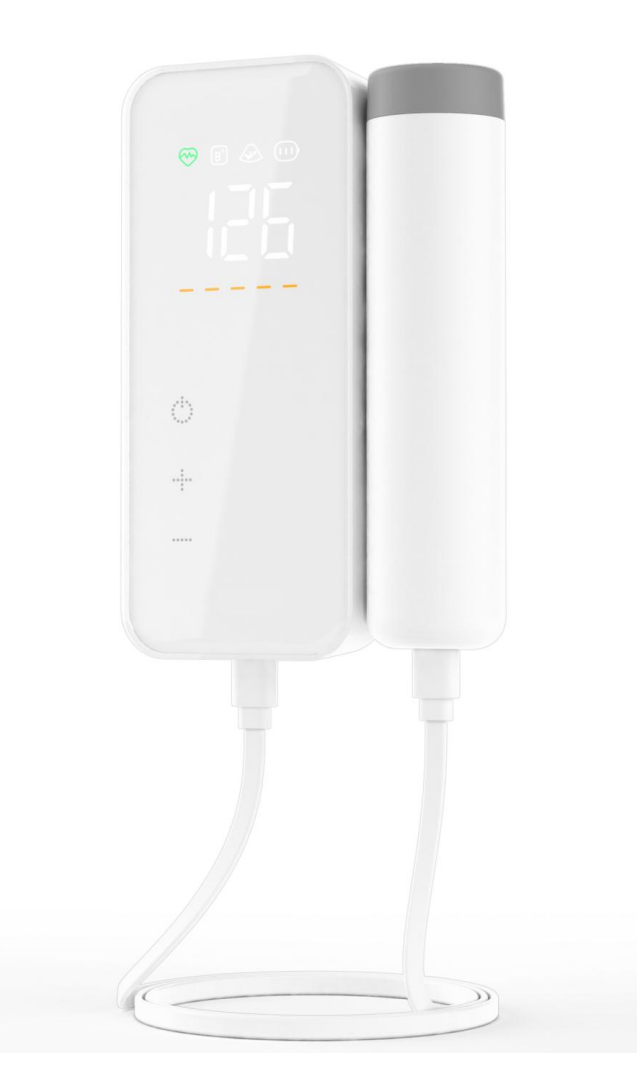
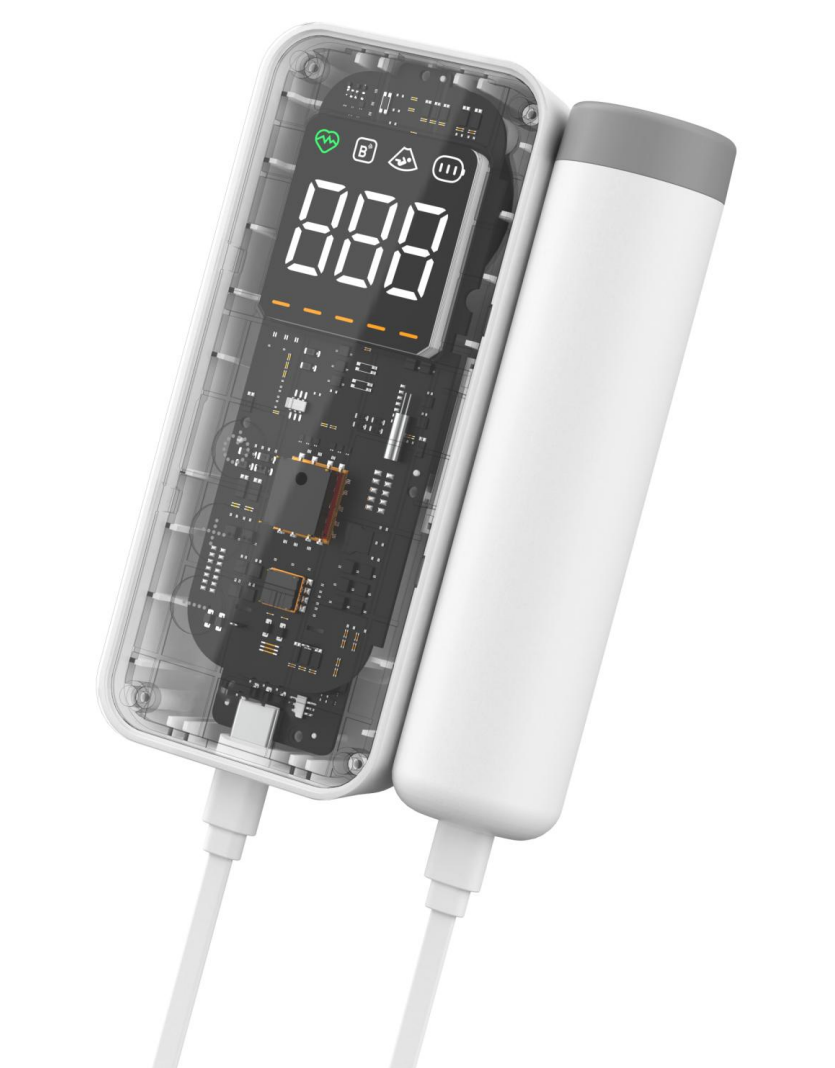
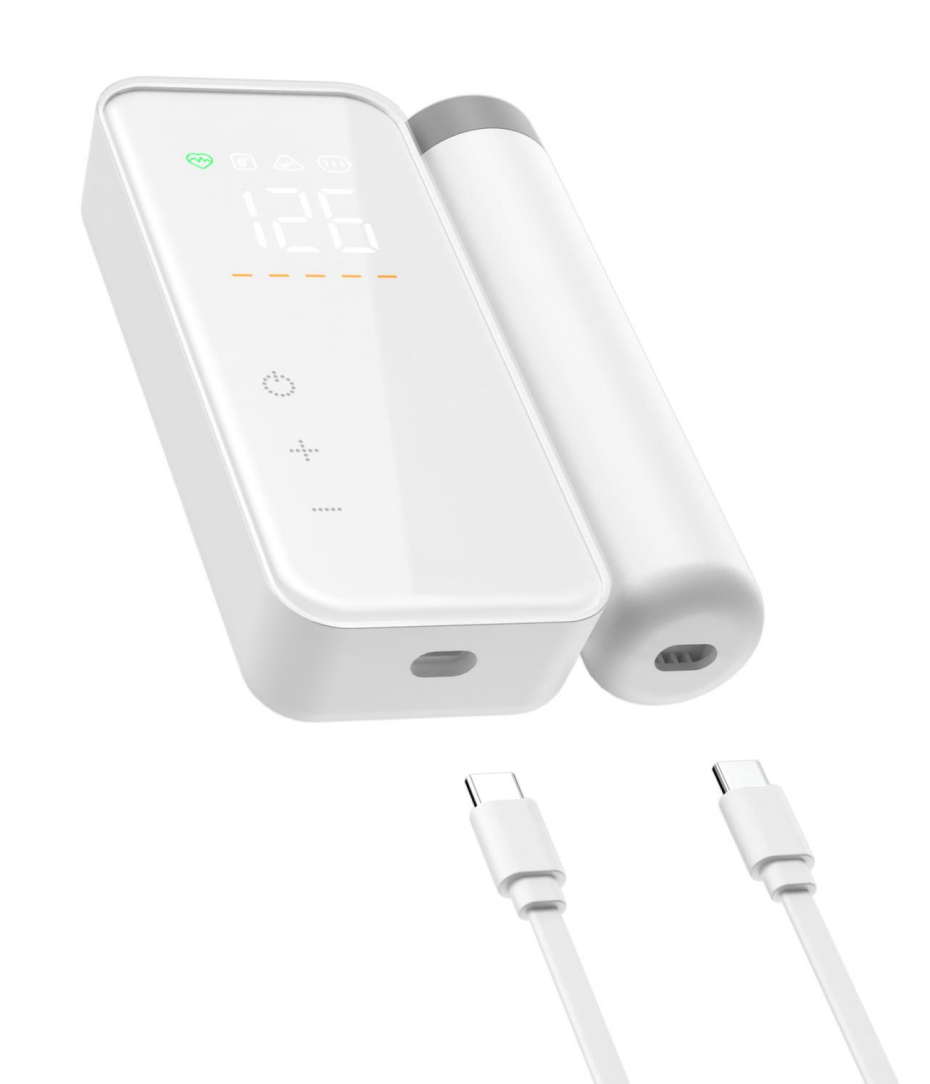
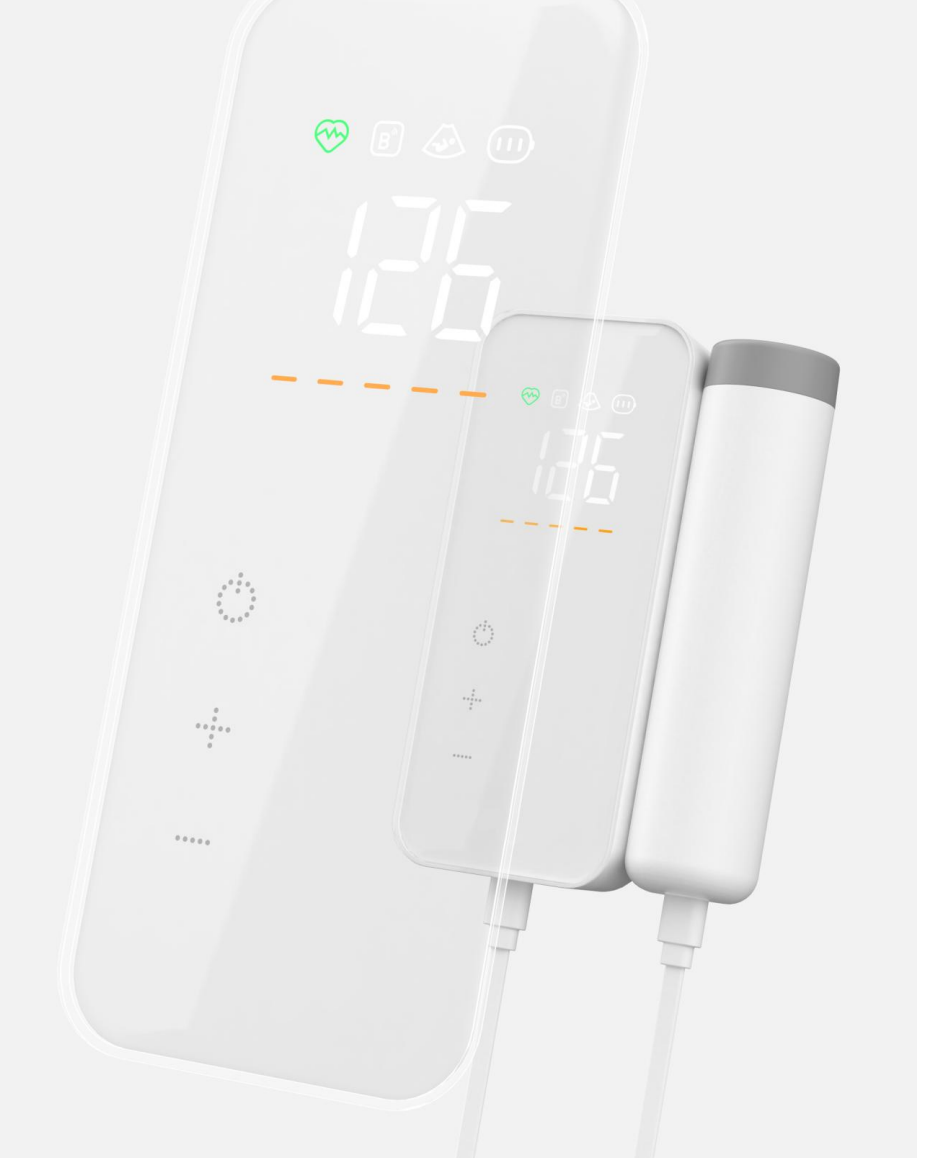
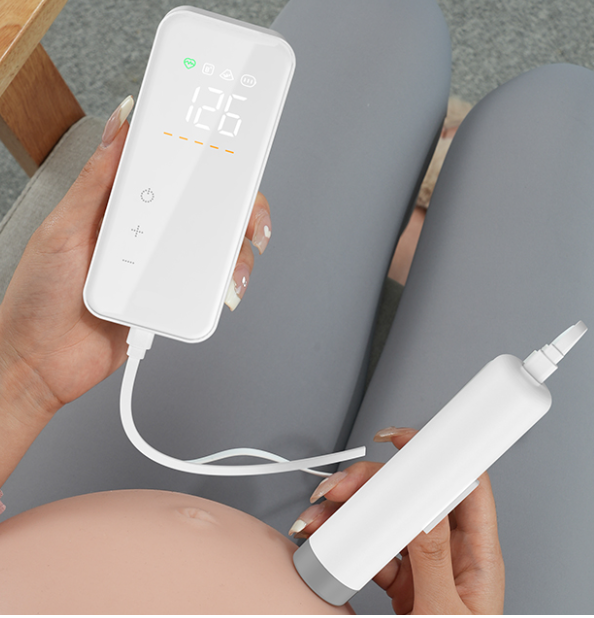
M523 Ultrasound Doppler Fetal Heart Rate Monitor, a device that detects the heart rate of the fetus through the principle of ultrasound Doppler, belongs to Class II medical device. Pregnant women can use the Fetal Heart Rate Monitor to monitor the fetal heart rate in real time at home, which can realize early monitoring and close attention to the fetal heart rate, and provide timely fetal health data for clinical use.
A fetal heart rate monitor employs ultrasound to spot and log the baby’s heartbeat.This tool aids parents and doctors in evaluating fetal well-being. Home handheld Dopplers offer portability and ease of use. Meanwhile, professional monitors in hospitals deliver ongoing monitoring and contraction logging. When selecting a device, focus on strong sensitivity and precision. This matters most for early spotting at 10–12 weeks.
How to use a Doppler fetal heart rate monitor?
Put ultrasound gel on your belly. Then, lie down in a calm spot. Next, gently slide the probe over the pubic bone area. Keep moving it slowly until the heartbeat sounds clear.
How to Monitor Your Fetal Heart Rate?
Tune in for a regular beat between 120–160 bpm. This rate beats quicker than the mother’s pulse. If your device allows, note down the readings for records.
Is it okay to use a fetal Doppler every day?
Brief, occasional sessions last no more than 5 minutes each day. Such use seems safe. Yet, steer clear of too much exposure.
How to read contractions on a monitor?
Expert fetal monitors show contraction strength and timing. They also display heart rate shifts. This info helps gauge labor advancement. Keep in mind that home Doppler sessions cannot take the place of routine prenatal visits.


 English
  Arabic
  French
  German
  Italian
  Japanese
  Korean
  Portuguese
  Russian
  Spanish
  Vietnamese