
Why Silicone Manufacturing Matters So Much in Today’s Industries?
What Is Silicone and Why Do People Use It Everywhere?
Silicone is a man-made polymer made from silicon, oxygen, carbon, and hydrogen. It has a special mix of traits. This mix blends the bendiness of natural stuff with the toughness of non-organic items. So, it keeps working well in very hot or very cold spots. It also fights off rust and chemical wear. Its strength against heat, chemicals, and bad weather makes silicone vital in fields like cars, health care, and gadgets. Plus, the material’s safe and steady makeup lets it work in food-safe and medical uses.

The Main Steps in Making Silicone Products
The base of silicone making starts with turning raw stuff into siloxanes. These act as the key parts for silicone chains. Then, through linking, siloxanes turn into different shapes like fluids, soft gels, tough rubbers, or hard resins. The choice depends on chain length and how tightly they connect. After that, shaping methods such as molding, pushing through shapes, rolling out sheets, or cutting with dies form these into useful items.
We own top-notch gear for production (oil molding). Benefits of liquid feeder: First, liquid silicone flows right into the oil press mold via the feed setup. This boosts output. It cuts down on manual labor like mixing rubber, slicing it, and setting it in place. So, it leads to quick and hands-off work. These smart setups give exact mix control. They also keep a steady flow in silicone making. In the same way, the liquid hydraulic press perks: It runs fast and accurately in the injecting and hardening steps. This creates silica gel items in varied forms and sizes. It shows how auto systems lift both quality and custom options.
How Do Tailored Silicone Options Stand Apart from Regular Ones?
Tailored silicone mixes get built to fit exact strength or setting needs. For example, they handle firmness (Shore A), bounce-back in freezing cold, or stand up to oils and sun rays. Special extras can add electric flow for gadget uses or fire resistance for key safety parts. Tailored shapes also fit into tricky setups where exact sizes matter a lot.
We run a skilled mold design and handling hub. We create and build molds on our own. We stick closely to client timelines. This skill lets makers like us at CASINDA provide fitted silicone pieces. They match buyer needs for sizes and work levels.
Silicone’s Place in Current Industries
How Does Silicone Change the Car World?
In car building, silicone’s toughness against wild heat swings keeps seals strong in gaskets, tubes, O-rings, and shock absorbers. Its stretch cuts down on wear from motion. Yet, it holds seal tightness under moving forces. For electric cars (EVs), silicone gives top-notch coverage for battery setups. It also helps control heat by spreading it well through flowing mixes.
Silicone’s Impact on Health Uses
Health-grade silicones are body-friendly items used a lot in implants, tubes for fluids, pipe networks, fake limbs, and wearable health tools. They handle many cleaning tasks without breaking down. This keeps them safe for long doctor uses. Silicone’s bend helps make comfy shapes that act like real body parts. This boosts ease for patients.
We own top-notch gear for production (oil molding). Benefits of liquid feeder: First, liquid silicone flows right into the oil press mold via the feed setup. This boosts output. It cuts down on manual labor like mixing rubber, slicing it, and setting it in place. So, it leads to quick and hands-off work. These smart setups give exact mix control. They also keep a steady flow in silicone making. In the same way, the liquid hydraulic press perks: It runs fast and accurately in the injecting and hardening steps. This creates silica gel items in varied forms and sizes. It shows how auto systems lift both quality and custom options.
Why Do Electronics Makers Need Silicone So Badly?
Silicone matters a lot in electronics for its strong non-conducting properties and water resistance. It wraps up delicate parts like sensors or board circuits to stop rust. Keypads from silicone give a good touch feel with a long use life. Silicone buttons resist heat well. Lifetime: 0.5 to 30 million times. On top of that, flowing silicones block electric noise (EMI) shields. They keep the bend needed for small tools.
New Ways of Handling That Shape Silicone’s Future
What Fresh Ideas Are in Silicon Handling?
New ideas cover Liquid Injection Molding (LIM). It pairs auto dosing with exact molds for little waste. 3D printing with silicone inks now speeds up test models for odd shapes that old molding can’t do. Als o, better hardening ways, like light or metal-based curing, speed up steps. Yet, they keep their material strength.
Liquid hydraulic press perks: Fast auto work boosts, making speed. Such tools show how auto keeps growing in scale in today’s silicon plants..
Checking Quality and Green Ways in Silicone Making
Tests for Steady Work Levels
Steady results come from tough check plans. They look at pull strength, squeeze hold values, heat steadiness, electric break voltage, and mix with chemicals. We keep a solid quality group and pro test tools. Electronic scale 9 sets. Shore durometer 1 set. Key life tester 1 set. These tools give number checks for every batch before sending.
Green Habits in the Making
Though it does not break down in nature, silicone’s long life cuts down on swaps versus normal plastics. Reuse plans turn hardened scraps into back-up uses like fillers or machine oils. Power-saving heat boxes cut gas output in work rounds.
We follow a strong control flow. It gets products out right and quick. This makes sure smart use of supplies in every job step.
CASINDA: Leading with Tailored Silicone Fixes
What Sets Items Apart of CASINDA?
At CASINDA, we focus on planning and building fitted silicone goods for work settings. Our know-how goes from test builds to big runs. We use top molding tech that promises exact sizes and repeat results.
Our tech crew has lots of time in chain study, plus quick job handling ideas. This lets us act fast, from price quotes in days to quick sample turns. We meet changing market needs well.
Main Item Types from CASINDA
Work 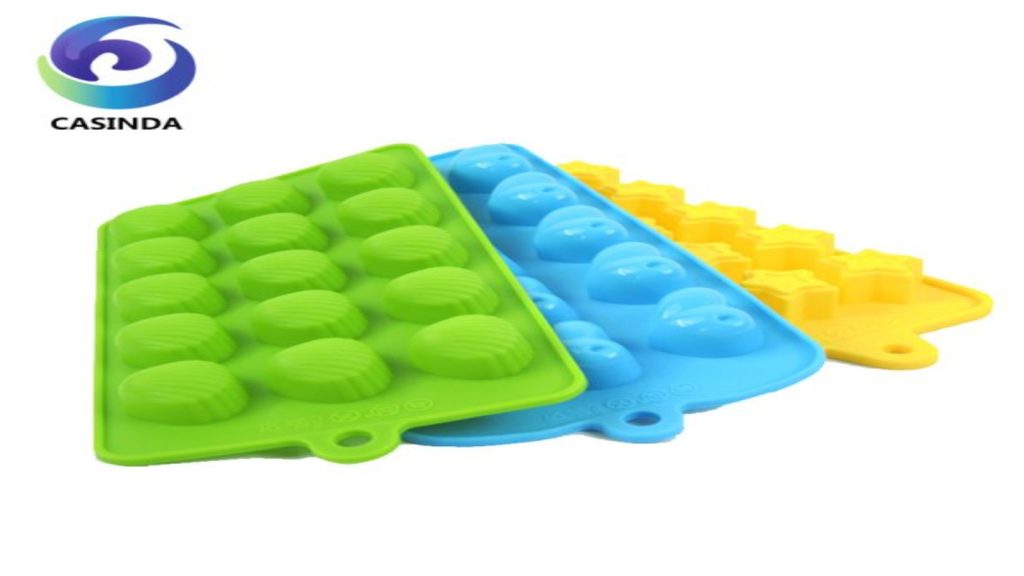 Parts and Seal Fixes
Our lineup has O-rings, gaskets, tube setups, shake blockers, EMI covers, and shaped seals. They work in rough spots like super heat or chemical hits.
Everyday Item Uses
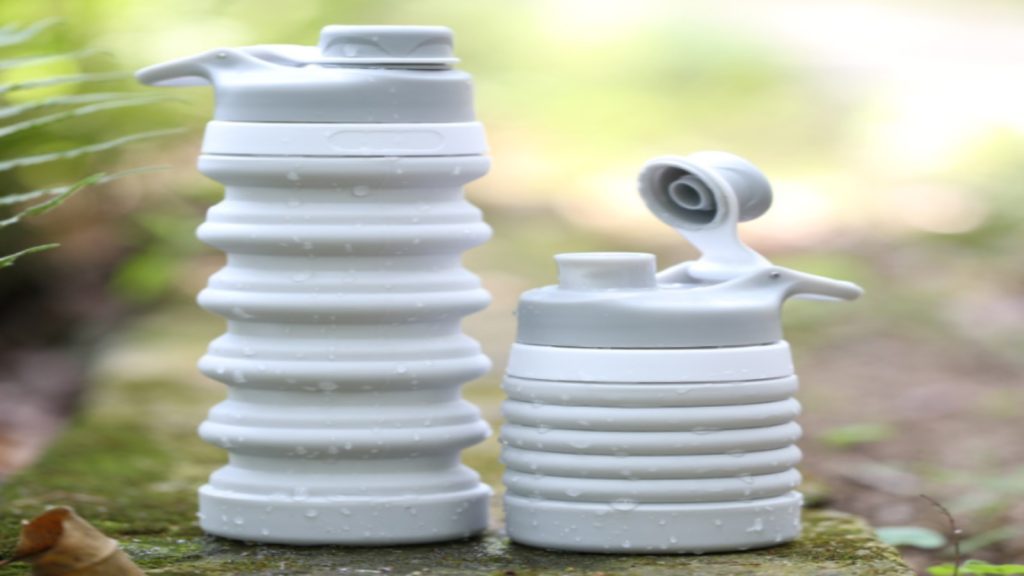
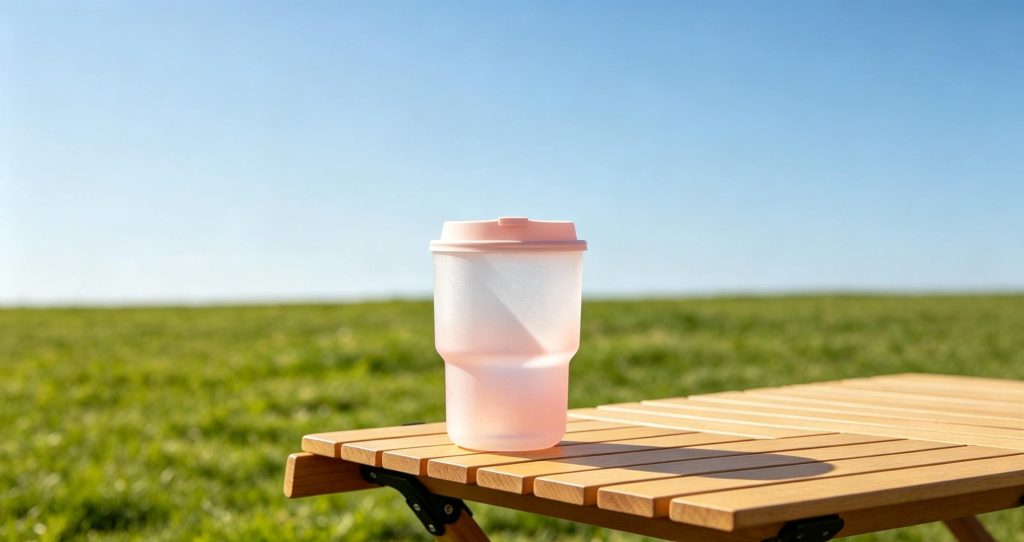
We make food-safe kitchen tools that follow world safety rules. We use metal-cured silicones for no harm even in hot spots. They fit cook tools or drink holders needing to bend and clean.
Special Build Materials
CASINDA’s mix reaches flowing silicones for gadget links needing steady power paths. It also has fire-stop mixes for air or defense safety needs.
Frequently Asked Questions About Silicone Manufacturing
Q: What are the main advantages of using silicone over other materials?
A: Silicone gives great bend over wide heat spans (from -60°C up to +250°C). It shows top chemical calm against oils or cleaners. It has fine electric cover traits for high-power spots. And its lasting power beats most natural rubbers or heat plastics.
Q: How is custom silicone manufactured differently from standard silicone products?
A: Tailored making tweaks, chain mixes. It changes link tightness or adds stuff to hit exact firm levels or color match per buyer’s wants. This makes sure the top work in set use bounds.
Q: Is silicone an environmentally friendly material?
A: While it does not break down on its own from its non-organic base, silicone stays green-smart. It gets reused via special rework paths. Its long work time cuts total scrap way more than quick-life picks like PVC or latex rubbers.
 English
  Arabic
  French
  German
  Italian
  Japanese
  Korean
  Portuguese
  Russian
  Spanish
  Vietnamese