
Silicone cấp y tế vẫn là một vật liệu quan trọng trong chăm sóc sức khỏe hiện đại. Nó phù hợp với các thiết bị sức khỏe có thể đeo. Bản chất thân thiện với cơ thể mạnh mẽ, sự uốn cong, sức mạnh và khả năng dị ứng thấp làm cho nó tuyệt vời cho chạm da dài. Với các bệnh lâu dài hơn và các công cụ sức khỏe kỹ thuật số tốt hơn, silicone này giúp xây dựng các thiết bị đeo đáng tin cậy, thoải mái. Những hỗ trợ kiểm tra liên tục, hỗ trợ bệnh nhân xa xôi và phòng ngừa sức khỏe.
Các nghiên cứu mới chỉ ra thị trường silicone cấp y tế trên toàn thế giới khoảng 1,77 tỷ USD vào năm 2025. Nó có thể đạt 2,41 tỷ USD vào năm 2030, với tỷ lệ CAGR 6,41% (từ Mordor Intelligence). Một số người cho rằng tỷ lệ từ 6-7,4%. Những động lực chính đến từ những người lớn tuổi, công nghệ đeo được cải thiện và các tiêu chuẩn như ISO 10993.
Phần này kiểm tra các đặc điểm cốt lõi, sử dụng trong thiết bị đeo, xu hướng mới, điểm OEM, trở ngại, cơ hội và quan điểm tương lai.
Đặc tính của silicone cấp y tế liên quan đến các thiết bị đeo
Silicone cấp y tế cho thấy các đặc điểm an toàn cho cơ thể và các vấn đề dị ứng hiếm hoi. Nó tuân theo các quy tắc như ISO 10993 và thường USP Class VI. Nó không gây hại, không có mùi và bỏ qua chất lỏng cơ thể. Điều này làm giảm sự phiền phức trong thời gian mặc dài.
Các đặc điểm cốt lõi bao gồm:
- Sự uốn cong và sức mạnh: Nó mất sự linh hoạt liên tục mà không gây thiệt hại. Tốt cho băng tần, bản vá và máy dò linh hoạt.
- Nhiệt và hóa chất giữ: Giữ ổn định trong biến động nhiệt độ lớn. Chống UV, ozone và hóa chất. Cho phép khử trùng cho công việc phòng khám.
- Hình dạng khác nhauĐược cung cấp dưới dạng cao su silicone lỏng (LSR), cao su có tính nhất quán cao (HCR), gel, gậy và bọt. Mỗi thiết bị phù hợp với mong muốn độc đáo.
Những điểm này mang lại sự dễ dàng và tin tưởng cho các công việc tiếp xúc với da.
Các ứng dụng trong thiết bị sức khỏe có thể đeo
Silicone cấp y tế nằm ở trung tâm của các thiết bị đeo hàng đầu:
- Màn hình glucose liên tục (CGM)Các sản phẩm như Dexcom và Abbott FreeStyle Libre áp dụng gậy silicone. Họ giữ vững chắc với da nhưng lột dễ dàng trong nhiều ngày.
- Đồng hồ thông minh và công cụ thể dụcApple Watch và thích sử dụng băng dây silicone và niêm phong. Họ cung cấp sự thoải mái, thời gian lâu dài và bảo vệ nước.
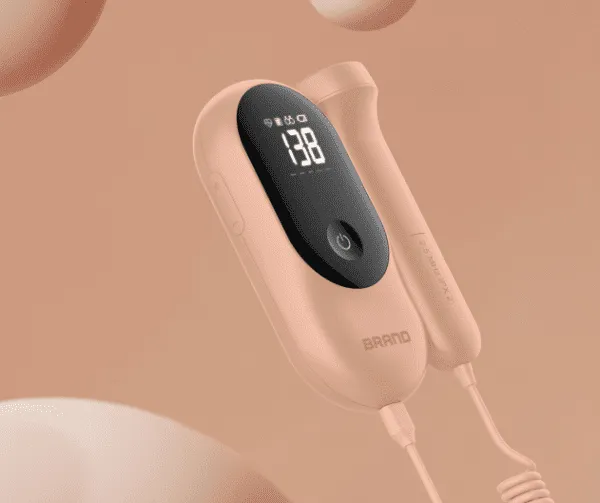
- Mang thai và kiểm tra tim em bé: Bao bụng có thể đeo và các bản vá bao gồm silicone. Nó giữ cho máy dò ổn định và mềm mại trên da. Tốt hơn thiết bị doppler silicone để nhà trẻ theo dõi trái tim.
- Thêm lĩnh vựcCác bản vá tim, cảm biến nước, thiết bị đeo giải phóng thuốc và vải dò dựa vào silicone. Nó bảo vệ các bộ phận, chặn điện sai và hỗ trợ các hệ thống dòng chảy.
Những công việc này giúp theo dõi xa và chăm sóc bệnh lâu dài.
Xu hướng hiện tại thúc đẩy việc chấp nhận
Xu hướng chính cho năm 2025 bao gồm:
- Xử lý bệnh liên tụcMuốn CGM lớn hơn và các công cụ xa hơn từ bệnh tiểu đường và các vấn đề tim toàn cầu.
- Quan hệ AI / IoT và xây dựng nhỏ hơn: Silicone cho phép khiên mỏng, uốn cong cho máy dò. Nó tránh các khối tín hiệu.
- Silicone dẫn điện: Các mặt hàng tươi như Elkem’ SILBIONE™ LSR Select EC 70 (ra mắt vào cuối năm 2025) mang lại dòng chảy điện. Chúng giúp phát hiện sinh học tốt hơn và điện tử uốn cong trong thiết bị đeo.
- Trọng tâm xanhChuyển sang silicone dựa trên thực vật hoặc tái sử dụng để giảm tác hại đến thiên nhiên.
- Phòng khám vs. phân chia hàng ngày: Silicone uốn cong phù hợp với cả thiết bị FDA chặt chẽ và bộ theo dõi phổ biến.
Châu Á-Thái Bình Dương tăng nhanh nhất, gần 8,77% CAGR đến năm 2030. Hệ thống y tế mạnh mẽ hơn thúc đẩy nó.
OEM Insights và cân nhắc
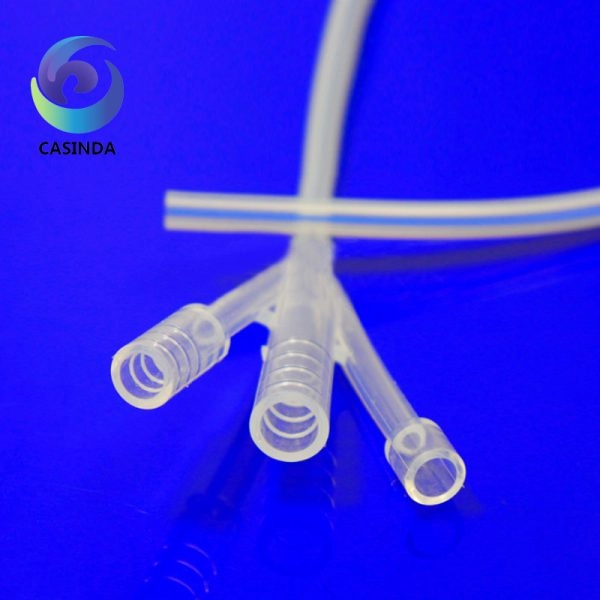
OEM của các sản phẩm silicone cấp y tế quy tắc căng thẳng theo (ISO 10993, FDA), dễ dàng mặc và kết quả. Quan hệ với các nhà cung cấp được phê duyệt, chẳng hạn như các nhà sản xuất OEM có kinh nghiệm như CASINDA Industries ở Trung Quốc, mang lại vật liệu được kiểm tra và chứng nhận.
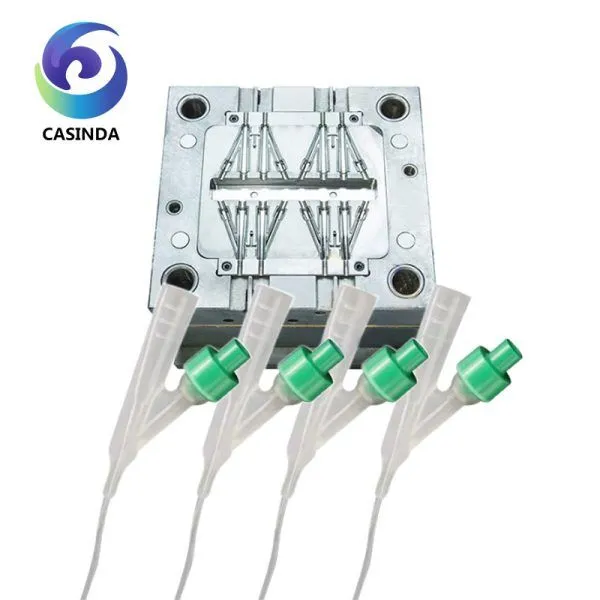
Những cách mới mẻ, như đúc bắn LSR chính xác, giúp nhanh chóng tạo ra các bộ phận nhỏ, khó khăn. Các dây chuyền cung cấp thế giới như các nguồn ổn định từ các nhà sản xuất tốt. Điều này giúp tăng trưởng và chi phí ổn định.
Thách thức và Cơ hội
Rắc cản:
- Rất ít người có thể bị phiền phức da.
- Những người khác như TPE chi phí ít hơn hoặc quá trình dễ dàng hơn.
- Silicone không’ t phá vỡ dễ dàng, làm cho các vấn đề chất thải.
Cơ hội:
- Silicone dẫn điện và thực vật tươi.
- Tăng ở các khu vực tươi (châu Á-Thái Bình Dương, Mỹ Latinh) để chăm sóc xa.
- AI liên kết cho thiết bị cá nhân.

Tương lai Outlook
Đến năm 2030, nhu cầu sẽ nhảy từ silicon dẫn điện để gửi tín hiệu sinh học ngay lập tức, chèn thông minh và chăm sóc cá nhân. Công việc xanh sẽ thúc đẩy các loại dựa trên thực vật. Các nhà sản xuất OEM muốn liên kết với các nhà cung cấp mới để hỗ trợ quy tắc và các cách mới mẻ.
Silicone cấp y tế dẫn đầu các ý tưởng mới trong công nghệ y tế có thể mặc. Nó cung cấp an toàn, dễ dàng và sử dụng tốt nhất. Làm việc cùng nhau trong khu vực sẽ giải phóng toàn bộ sức mạnh của nó để chăm sóc sức khỏe tốt hơn.
Câu hỏi thường gặp
Q: Silicone cấp y tế là gì?
A: Silicone cấp y tế là vật liệu sạch sẽ, an toàn cho cơ thể. Nó loại bỏ các kiểm tra như ISO 10993 và USP Class VI. Điều này cho phép an toàn, chạm da hoặc mô dài - rất quan trọng cho các thiết bị đeo, không giống như silicone thông thường.
Q: Tại sao Silicone cấp Y tế được ưa thích cho các thiết bị sức khỏe có thể đeo?
A: Nó mang lại các đặc điểm an toàn cho cơ thể mạnh mẽ, cơ hội dị ứng thấp, uốn cong, sức mạnh và dễ dàng. Điều này làm giảm sự phiền phức trong những thứ như CGM, đồng hồ thông minh và kiểm tra các bản vá.
Q: Silicone cấp Y tế khác nhau so với silicone bình thường trong thiết bị đeo được như thế nào?
A: Lớp Y tế được làm sạch hoàn toàn và kiểm tra an toàn cơ thể. Không có mảnh xấu có thể gây ra vấn đề ở da hoặc chạm vào y tế.
Q: Xu hướng chính trong Silicone cấp Y tế cho các thiết bị có thể đeo vào năm 2025 là gì?
A: Xu hướng bao gồm các loại dẫn điện (cho máy dò sinh học), mối quan hệ AI / IoT, xây dựng nhỏ hơn, lựa chọn xanh như dựa trên thực vật và tăng trưởng trong thiết bị chăm sóc liên tục như CGM.

 Vietnamese
  English
  Arabic
  French
  German
  Italian
  Japanese
  Korean
  Portuguese
  Russian
  Spanish