
What Does an Overview of Silicone Medical Parts Cover?
Definition and Composition of Silicone Medical Parts
Silicone medical parts are items made from silicone. This is a man-made polymer built from silicon, oxygen, carbon, and hydrogen atoms. Its molecular setup gives great bendability, bounce-back ability, and resistance to chemicals. These traits make it perfect for health uses. The main types used to create silicone medical parts are liquid silicone rubber (LSR), high-consistency rubber (HCR), and room-temperature vulcanizing (RTV) silicone.
Liquid silicone products show good flow, quick hardening, greater safety, and eco-friendliness. They fully meet food-grade needs. These qualities let LSR form with accuracy into tricky shapes needed in health tools. Likewise, RTV silicones often serve for coverings and wrappings. They cure at normal room conditions.
Silicone’s compatibility with living tissues and its lack of reaction are key traits for medical settings. It avoids bad effects with human body parts or liquids. This ensures safety for brief or extended touch uses.
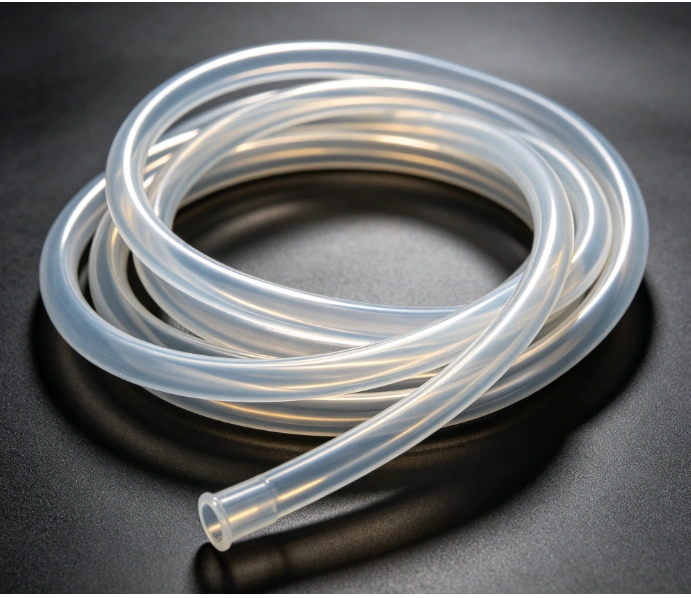
Importance of Silicone in the Medical Industry
Experts favor silicone over items like thermoplastics or latex. Why? It blends bendability with resistance to chemicals. At the same time, it holds up well during cleaning cycles. Its non-active quality cuts down allergy risks unlike latex options.
DongGuan CASINDA Industrial Co., Ltd focuses on product creation and making. We produce silicone rubber items and non-metal die-cutting products. We act as skilled providers of high-quality, efficient silicone rubber goods. We partner with famous makers at home and abroad. Since starting, the company has always stressed product creation and production.Our work spans varied fields. These include electronics, smart devices, medical tools, food, and new energy. This shows how firms expert in silicone tech have grown into medical tools. We do so because of the material’s dependability.
The built-in bendability supports comfy touch points for patients. Examples are catheters or masks. Plus, its strength against wear-out means longer life for devices. This holds even with repeated cleanings.
Material Properties That Define Silicone Medical Parts
Mechanical and Physical Characteristics
Silicone shows strong stretchiness and pull strength. It handles repeated bending without breaking down.
It resists neutral solvents well. It also fights cold and heat effectively. Moreover, it stands up great against ozone and oxide damage. These physical strengths fit it for moving parts like seals or barriers. These face ongoing pressure in use. On top of that, clear versions in some types allow sight checks during health tasks. This is vital for watching fluid movement or spotting dirt.
Chemical and Biological Stability
A top feature of silicone is its resistance to chemical changes. It stays steady when facing body liquids or tissues. Thus, it guarantees safe contact during implants or long skin touches.
It does not dissolve in water or any solvent. It is harmless and without smell. Its chemical traits remain steady. It only reacts with strong bases and hydrofluoric acid. This steadiness also covers outside factors like UV light or rusting. Further, its low surface energy cuts germ sticking. That is a big help in stopping infections linked to health tools.
Sterilization Compatibility
Silicone handles various cleaning methods well. These include steam autoclaving, gamma irradiation, and ethylene oxide treatment. It keeps its strength after such processes. The power to survive repeated cleanings ensures steady work in reusable tools. Examples are surgery items or planted parts.
Manufacturing Processes for Silicone Medical Parts
Liquid Injection Molding (LIM) Technology
The liquid injection molding process starts by blending two-part LSR mixes. Then, workers inject them into warm molds. There, quick hardening happens. LIM brings big gains. It includes exact size control, little waste of material, and growth potential for large-scale making.
Liquid silicone products show good flow and quick hardening. This trait aids efficient LIM work directly. It allows short cycle times. Yet, it keeps top part precision.
Compression and Transfer Molding Techniques
Compression molding means putting measured HCR material into a warm mold space. Then, pressure is added until hardening finishes. Transfer molding follows a like idea. But it moves material through a channel setup into several spaces at once. This suits complex shapes needing even pressure spread. Compared to LIM, these ways might take longer per cycle. However, they give cost savings for small batches or big parts.
Secondary Processing and Finishing Operations
After-hardening is a must step. It clears out leftover vapors from formed parts. This boosts their fit with living tissues. Surface fixes like plasma coating can add on. They change sticking traits or tweak water-repelling based on tool needs.
Common Applications in the Medical Sector
Implantable Devices and Components
Silicone’s fit with living tissues makes it vital for implants. These include pacemaker leads, shunts, catheters, and joint pads. Durability under body stress is key here.
Silicone rubber O-rings often build various seals, high-voltage wires and cables, and rubber tubes for high and low temperature silicone rubber products. At the same time, because of their non-toxic, colorless, and tasteless properties, silicone rubber O-rings can also be used in the food and medical industries. This example shows how same mixes work in both fields. Both demand clean standards.
Disposable Medical Products
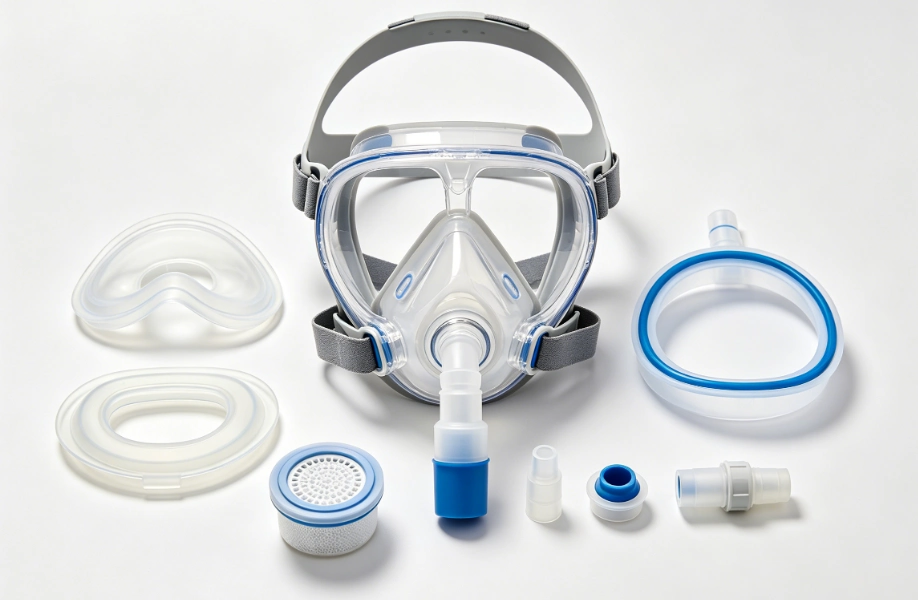
For one-time items like tube setups or breathing masks, silicone gives good value and clean reliability. Why? It molds easily into thin walls that keep stretch after clean cycles.
Drug Delivery Systems and Wearable Devices
In drug delivery setups like infusion pumps or skin patches, silicone serves as a pass-through layer. It controls medicine spread rates precisely over time. Its bendability also boosts ease in wearable health trackers. These aim for ongoing patient watch.
Regulatory Considerations for Silicone Medical Parts
Compliance with International Standards
Makers must follow ISO 10993 rules. These set tests for fit with living tissues to ensure safety before patient use. In the U.S., FDA groups guide device types by risk. This affects approval needs for silicone parts.
Quality Assurance in Production Environments
Keeping cleanroom setups during making stops dust buildup. That is key to hit strict rules. Adding track systems ensures each batch meets steady quality marks over its life.
Emerging Trends in Silicone Medical Part Development
Advancements in Material Formulations
New ideas include self-repairing silicones. They fix their own structure after damage. This boosts lasting power under repeat loads common in implants or wearables. Also, germ-fighting adds are mixed in. They keep the known fit with tissues. This improves control of infections.
Integration with Smart Technologies
The shift to smart health tools has brought conductive silicones. They allow built-in sensors in bendy bases. This supports live body checks. Such steps lead to next-level fake limbs. They adjust to patient moves via built-in response cycles.
Sustainability Considerations in Manufacturing
Makers now look at reusable or nature-based silicone choices. The goal is to cut eco harm while keeping core perks of old mixes. Energy-saving hardening systems are in use too. We better handle heat in making. This lowers total energy use per item made.
With cutting-edge design methods plus rule-following setups, today’s makers make sure silicone medical parts keep growing. We stay as trusted fixes for key health uses around the world.
FAQ
Q: What are the key benefits of using silicone medical parts in healthcare devices?
A: Silicone medical parts offer excellent flexibility, biocompatibility, and resistance to sterilization. These traits improve device performance, ensure patient safety, and extend product lifespan in applications like catheters and implants.
Q: How does liquid silicone rubber (LSR) contribute to silicone medical parts manufacturing?
A: LSR provides good fluidity and fast vulcanization, allowing precise molding of complex shapes. It supports efficient production of silicone medical parts while meeting food-grade and medical standards for safety and environmental protection.
Q: Why is silicone preferred over other materials in the medical industry?
A: Silicone stands out due to its chemical stability, low allergy risk, and durability under repeated use. Companies like DongGuan CASINDA Industrial Co., Ltd specialize in producing these reliable silicone medical parts for diverse sectors including medical appliances.

 English
  Arabic
  French
  German
  Italian
  Japanese
  Korean
  Portuguese
  Russian
  Spanish
  Vietnamese