
Understanding Silicone for Kitchen Use
What Makes Silicone Suitable for Kitchen Applications
Silicone serves as a basic material in current kitchen items. This comes from its special mix of traits that aid safety and practical use. Its strong heat steadiness lets it work just as well in cold and hot settings. Most food-grade silicone goods can take temperatures up to 230°C or more. Thus, they suit baking, steaming, and microwave tasks well.
A key benefit is its bendiness and non-stick quality. Silicone molds and utensils can flex and turn without changing form. They make food release simple and lower waste. These aspects remove the need for parchment paper or extra oils. In turn, this boosts cooking speed and wellness.
Besides, silicone’s defense against water and chemical mixes means it stays neutral with acidic or basic foods. This neutral nature is essential for keeping the food’s taste and safety whole.
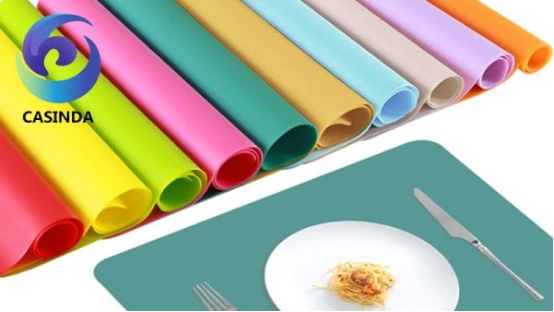
Key Characteristics of Food-Grade Silicone for Kitchen Use
For safe food handling, silicone needs to follow tight rules. Food-grade silicone is harmless, without smell, and lacks fillers or waste parts that might release bad stuff. A clear example is the Foldable Sports Water Bottle. It uses food-grade silicone without BPA (Bisphenol A). So, each drink remains safe and pure.
This kind of silicone must also match rules from bodies like the FDA in the U.S. or LFGB in Europe. These rules confirm the material avoids sending out toxic parts during heat or long food touch.
Food-grade silicone shows solid strength, springiness, and block against germ spread. These are main points for goods often in wet and temp changes.
Industry Standards Defining Food-Grade Silicone for Kitchen Use
Regulatory Certifications Required for Kitchen-Grade Silicone
Approvals have a big part in checking silicone’s safety for kitchen tasks. The FDA and LFGB set okay levels for extractables and leachables. These are items that might shift from silicone to food.
Take tests as an example. They cover migration bounds, heat limits, and chemical defense. Such reviews prove that approved goods stay neutral in hot or cold spots. They give steady trust in food making.
On top of that, these approvals build buyer faith. Utensils, molds, and containers stay safe for ongoing use. There is no danger of dirt spread.
Differences Between Medical Grade and Food Grade Silicone in Kitchen Products
Both medical-grade and food-grade silicone follow high safety rules. But their aims differ. Medical-grade silicone goes through strict body-match tests. It ensures safety for implants or steady skin touch. Food tasks do not require these.
Food-grade silicone gets checked for short food touch. It looks like medical-grade items. Yet, it focuses on heat and chemical steadiness in cooking. It skips body use needs. In kitchen settings, food-grade silicone keeps safety. It avoids extra costs or unneeded traits of medical-grade types.
Identifying Authentic Food-Grade Silicone for Kitchen Use
Visual and Physical Indicators of Safe Silicone in the Kitchen
Finding real food-grade silicone is hard without approvals. But some body signs provide hints. Good silicone holds its form and bendiness after long heat or cold exposure. It avoids color shifts or oily buildup with time.
Smell is another sign. True food-grade silicone should not give off sharp scents when warmed or pulled. If the item releases a chemical smell in use, it might have unfit fillers for food.
For looks, clear or even-hued silicone goods are often from clean food-grade materials.
Common Misconceptions About Silicone Safety in Kitchen Products
A common mix-up is that any “BPA-free” marked item is okay for kitchen work. BPA-free shows no one bad chemical in plastics. But it does not prove full food safety or FDA/LFGB fit.
Another wrong view is on cheap fillers in weak silicone. These extras can break in high heat. They may then let out bad substances to food.
It is key to see that even approved food-grade silicone can wear if used wrong. Like exposure to open fire or temps over its limit.
Functional Advantages of Using Food-Grade Silicone in the Kitchen
How Food Grade Silicone Enhances Cooking Efficiency and Safety
Food-grade silicone boosts cooking results and user ease. The non-stick traits cut or end needs for oils, butter, or parchment paper in baking. This aids better meals and simple clean-up.
Its heat toughness, up to 230°C or higher in some types, fits many cooking ways. This includes baking, steaming, and microwaving. It has heat defense up to 100°C in design. So, it handles shifts between cold and hot drinks with ease. Foldable silicone water bottles show this.
Capire で Proprietà e applicazioni del silicone from CASINDA are dishwasher-safe as well. They make after-cook cleaning smooth. And they keep material strength over time.
Durability and Reusability of Kitchen Tools Made from Food Grade Silicone
Silicone’s core build lets it keep work through many heat and cool rounds without breaks, flakes, or stiff spots. This firm structure makes it a top choice for long kitchen service.
Its block against outside harms like UV light, rust, and rough use adds to lasting power. Many goods go through tough quality checks. They show great toughness under force and bumps.
Unlike one-time plastic items, silicone ones can be reused and earth-kind. They match green kitchen ways.
Applications of Food Grade Silicone Across Various Kitchen Tools
Common Uses of Food Safe Silicone in Modern Kitchens
Silicone spreads into a wide range of kitchen tools. This is due to its bendiness, temp defense, and chemical neutral state. Goods like baking mats, spatulas, muffin molds, ice trays, lids, and steamers all gain from these.
Silicone spatulas from CASINDA work well in daily tasks. They offer safe, flexible handling for mixing or scraping.
Use goes past utensils to working parts like seals and gaskets in pressure cookers. There, sure heat defense is vital.
The material is popular in foldable container styles too. It is light but strong in form. The Foldable Sports Water Bottle uses fresh silicone. This makes it light and foldable. The idea grows in current kitchens and outdoor kit.
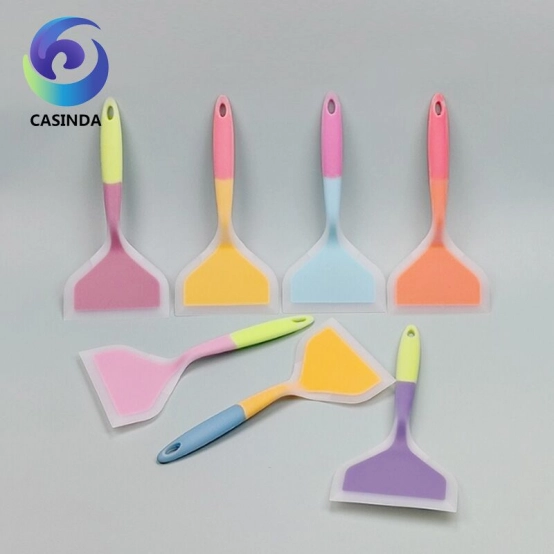
Innovations in Kitchen Design Using Certified Silicone Materials
Late ideas mix approved food-safe silicone into smart kitchen items. For case, heat-safe covers for sensors in cook gear use silicone’s shield traits.
Mixed utensils join steel edges with soft silicone holds. They raise user comfort and keep strength.
Plus, special-molded silicone allows fun food shows. From detailed baking molds to custom ice cubes. All without losing food safety or work.
Maintenance Practices for Food Grade Silicone Products in the Kitchen
Cleaning Methods That Preserve the Integrity of Kitchen Safe Silicone
To keep food-grade silicone goods long-lasting, soft cleaning ways matter. Hand wash with light soap is advised. It stops surface harm and cleans fully.
Skip rough sponges or strong cleaners. They might hurt the non-stick side. Now and then, deep clean with vinegar or baking soda mixes. These pull out held oils without damage to the build.
usato per? FDA-grade silicone mat from CASINDA suits baking needs. It cleans easy and stays safe with care.
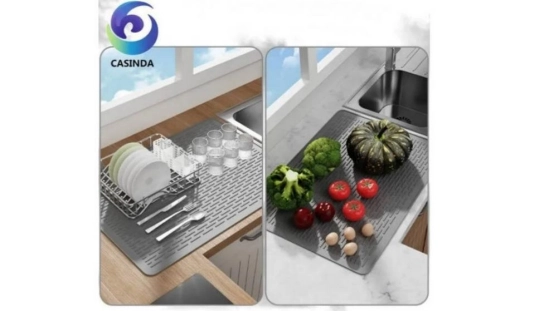
Proper Storage Techniques for Long-Term Use of Food Grade Silicone
Right storage keeps silicone kitchenware’s form and strength. Store items flat or lightly rolled. This stops twists over time.
It is vital to keep them from sharp items that can poke or rip surfaces. Also, avoid long sun exposure. UV rays can speed aging, even in fine certified materials.
By using proper care steps and buying certified food-grade silicone tools from solid makers like CASINDA, users can secure safety, work, and green ways in kitchen tasks.
FAQ
Q: What key properties make food-grade silicone ideal for kitchen use?
A: Food-grade silicone stands out for its heat stability up to 230°C, flexibility, and non-stick surface. It resists chemicals and avoids reactions with food. This ensures safe baking, steaming, and microwave use. Silicone kitchen tools from CASINDA add durability for daily tasks.
Q: How can I spot safe silicone spatulas in kitchen products?
A: Safe silicone spatulas have FDA or LFGB certifications. They are odorless, BPA-free, and maintain shape under heat. Avoid items with chemical smells or fillers. Silicone spatulas from CASINDA meet these standards for reliable, non-toxic performance.
Q: Is an FDA-grade silicone mat suitable for various cooking methods?
A: Yes, an FDA-grade silicone mat handles baking, freezing, and microwaving safely. It withstands extreme temperatures without leaching. This promotes easy food release and cleanup. Products like an FDA-grade silicone mat from CASINDA support healthy, efficient kitchen routines.

 Italian
  English
  Arabic
  French
  German
  Japanese
  Korean
  Portuguese
  Russian
  Spanish
  Vietnamese