
What Are Innovative Silicones and Why Do They Matter in Industrial Projects
The Role of Innovative Silicone Products in Modern Manufacturing
Innovative silicones play a key role in industrial manufacturing. They offer better performance, durability, and flexibility in many sectors. These innovative silicone products handle extreme temperatures well. They also resist chemical damage and stay stable in tough conditions. In places like electronics, medical devices, and automotive parts, this adaptability leads to good results even in hard conditions.
At CASINDA, we specialize in developing innovative silicones that meet high-performance requirements for industrial applications. We also ensure product development and manufacturing of silicone rubber products/non-metal die-cutting products. This foundation supports our ability to provide advanced materials for clients seeking reliability and precision in silicone industrial processing.
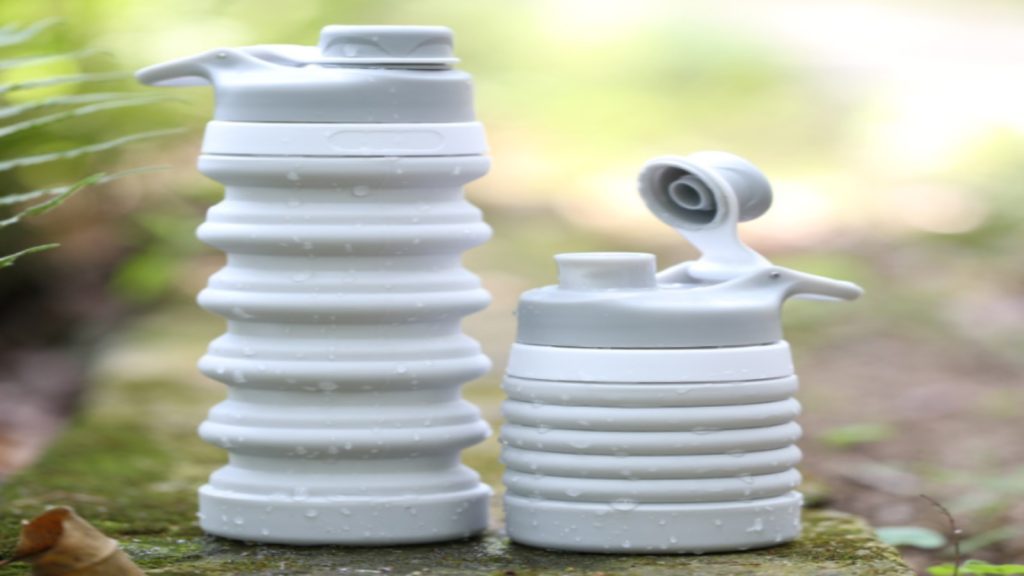
Key Properties That Define Innovative Silicones
The main properties of innovative silicones include thermal stability, electrical insulation, and chemical inertness. Thermal stability keeps performance steady during heat-heavy steps such as molding or curing. Electrical insulation makes these materials vital in electronics and automotive systems where conductivity control matters. Their chemical inertness boosts longevity and meets strict safety rules.
The chemical makeup and physical structure of silica gel give it traits that other materials lack. It shows high adsorption, good thermal stability, stable chemical traits, and high mechanical strength. These traits make innovative silicone products a strong fit for uses that need resilience under stress or in harsh settings.
Comparing Traditional and Innovative Silicone Formulations
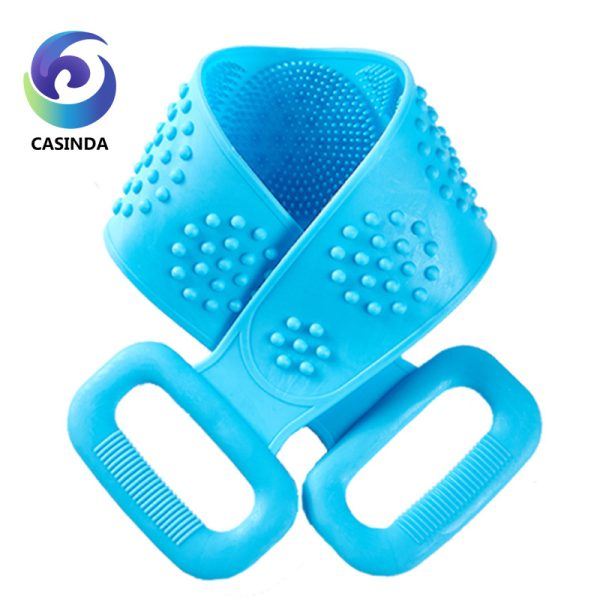
Innovative silicones beat traditional ones in mechanical strength and process speed. New formulas cut curing time and improve adhesion. These factors help in complex industrial builds. The liquid silicone machine has a high-precision injection and vulcanization process. It can guarantee to produce silicone products with precise and stable quality. This precision matters when adding silicones to multi-material systems or automated lines where steady results affect overall reliability.
How to Evaluate Innovative Silicones for Industrial Applications
Criteria for Selecting the Right Silicone Material
When picking the right silicone material for your project, check operating temperature ranges, possible chemical exposure, and expected mechanical stress levels. Check compliance with standards such as ISO 9001:2015 or ASTM specs to ensure long-term reliability. The company passed ISO 9001:2015 and ISO 14001:2015 certification in 2018. Also, review compatibility with other materials in production lines. This step helps avoid adhesion problems or later degradation.
Matching Innovative Silicone Products to Specific Industrial Needs
For High-Temperature Environments
For work above 200°C, pick heat-resistant silicones. These keep elasticity without losing structure. Silicone rubber O-rings are often used to make various seals, high-voltage wires and cables, and rubber tubes for high and low temperature silicone rubber products.
For Electrical or Electronic Components
Choose electrically insulating silicones. They stop current leakage and keep dimensional stability. These fit well for connectors, gaskets, or circuit protection parts.
For Sealing and Bonding Applications
Use flexible silicones with strong adhesive traits. They give solid sealing with little shrinkage. Their elasticity helps them fit surface bumps while holding up under vibration or pressure shifts.
The Importance of Supplier Expertise in Silicone Industrial Processing
Picking a supplier with solid know-how in silicone industrial processing brings steady quality control across production cycles. Our engineering team at CASINDA gives technical support from formulation choice to final application tweaks. We have an excellent technical team with many years of industry experience. They know the silicone manufacturing process and material properties well. Reliable supply chains cut downtime during large production runs. This factor helps keep operations efficient.
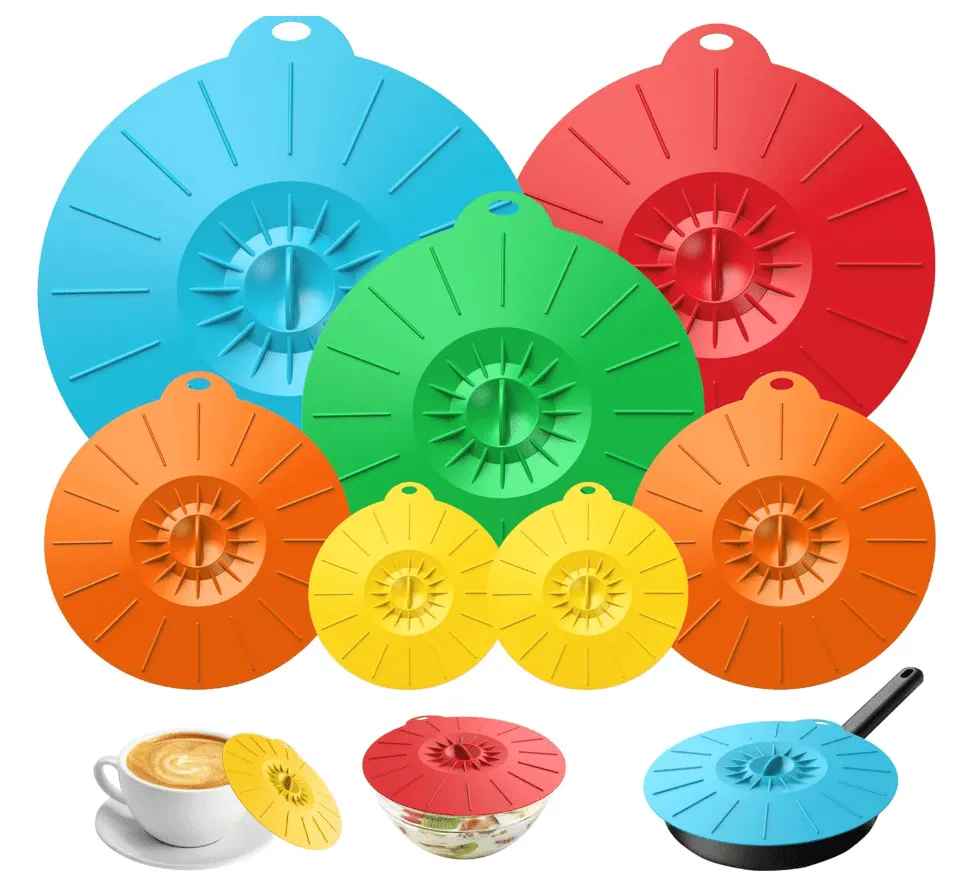
How Silicon Innovation Is Transforming Industrial Processing Efficiency
Technological Advances Driving Silicon Industrial Processing
Silicon innovation has moved forward through automation. These tools improve mixing uniformity and lower human error. Digital modeling tools test performance before production starts. They optimize design parameters for each use. Liquid silicone can be directly fed into the oil press mold through the feeding system. An accurate ratio improves production capacity and achieves high efficiency automatic operation. Sustainable methods now cut energy use and reduce waste during curing or molding steps.
The Impact of Silicon Innovation on Product Design Flexibility
New formulas allow thinner coatings without loss of durability or insulation traits. Better moldability supports complex shapes needed in advanced electronics or medical devices. At CASINDA’s R&D center, we aim to balance innovation with usability. We make sure each formula fits real industrial needs while advancing the tech.
Future Trends in Innovative Silicone Products for Industry 4.0 Applications
New trends include smart materials with built-in sensors. These tracks structural integrity or temperature changes in real time. Bio-based options are growing as part of global sustainability efforts. Custom-engineered silicones made for automation will keep driving efficiency in Industry 4.0 setups.
How to Ensure Long-Term Performance of Innovative Silicones in Industrial Projects
Factors Affecting the Durability of Innovative Silicone Products
Environmental exposure, such as UV rays or corrosive chemicals, can affect product life. Proper curing methods stabilize mechanical traits over time. Regular maintenance extends service intervals for silicone-based parts used in ongoing operations.
Testing and Quality Assurance in Silicone Industrial Processing
Mechanical Testing Protocols
Tensile strength tests confirm product reliability under load. Elongation checks assess flexibility retention after long use.
Thermal Aging Assessments
Simulated heat cycles validate resistance to long high-temperature exposure. This step is critical for uses like engine gaskets or power modules.
Chemical Resistance Evaluations
Immersion testing checks compatibility with solvents or oils common in manufacturing settings. Thermal conductive silica gel is a high-end thermal conductive compound that does not solidify or conduct electricity. It releases low molecules through condensation reactions, causing cross-linking and curing into high-performance elastomers.
Perguntas frequentes
Q: What factors should I consider when selecting innovative silicones for my industrial project?
A: Focus on operating conditions such as temperature range, chemical exposure levels, mechanical stress tolerance, and desired service life span. Partnering with an experienced manufacturer like us ensures technical guidance throughout every stage of selection.
Q: How does silicon innovation improve industrial processing efficiency?
A: Silicon innovation introduces advanced formulations that cure faster, resist degradation better, and integrate seamlessly into automated systems. These changes raise overall process throughput.
Q: Are innovative silicone products suitable for sustainable manufacturing?
A: Yes. Many modern innovative silicones are produced using eco-friendly processes. These methods cut waste while keeping top performance levels that match sustainability goals.
Q: What testing methods confirm the reliability of innovative silicones?
A: Standard tests include tensile strength measurement, thermal aging simulation, chemical resistance evaluation, and adhesion assessment. All of them ensure long-term stability across varied applications.
Q: How can CASINDA support customized silicone solutions for specific industrial applications?
A: We provide ODM {{url_placeholder_0}} Serviços tailored to each client’s requirements. Support runs from material formulation through tooling design. This approach ensures optimal integration within your production system while maintaining cost-efficiency through precision-controlled processes supported by our advanced equipment base, such as oil molding presses (250T/200T/100T) and liquid hydraulic machines (85T).


 Portuguese
  English
  Arabic
  French
  German
  Italian
  Japanese
  Korean
  Russian
  Spanish
  Vietnamese