
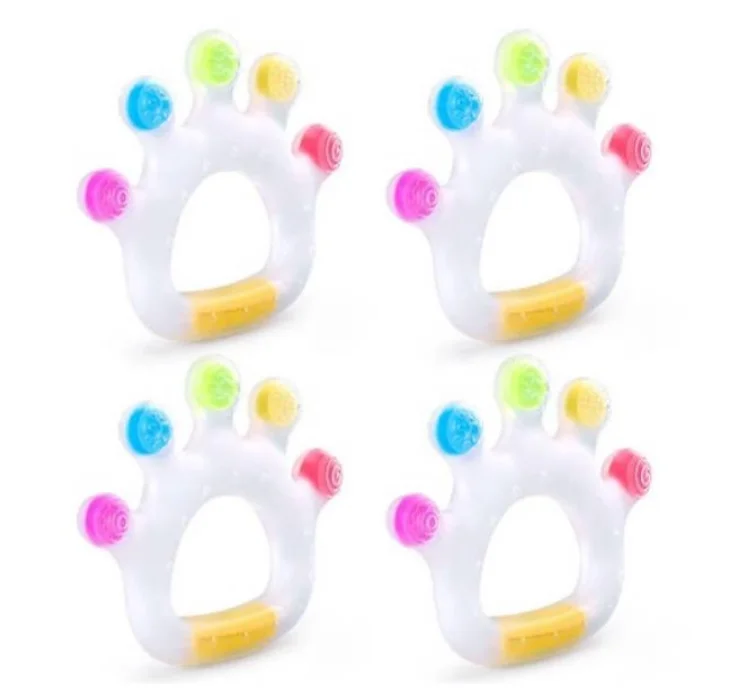
Lời bài hát: Silicone Teether For Y Year Our Baby là một vật liệu được làm trong phòng thí nghiệm bắt đầu với silica. Silica đến trực tiếp từ cát và thạch anh - hoàn toàn tự nhiên. Họ đưa nó qua một loạt các bước hóa học để biến nó thành silicon. Sau đó họ liên kết silicon đó với oxy, carbon và hydro. Những gì bạn kết thúc với là một chất mềm, uốn cong mà không’ t phản ứng nhiều. Nó’ Đúng cho bất cứ thứ gì trong nhà bếp.
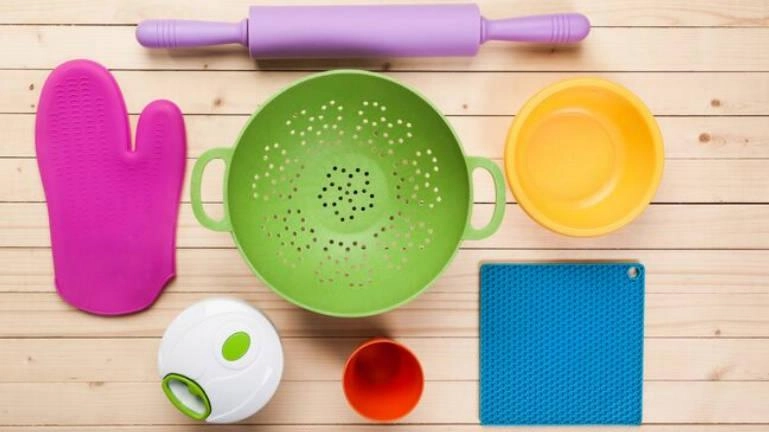
Ngày nay, silicone đã tiếp quản rất nhiều thiết bị nhà bếp. Nó’ đẩy ra nhựa cũ, cao su thông thường, và đôi khi thậm chí kim loại. Bạn phát hiện nó trong đồ nấu ăn, khay nướng, muỗng và mĩa, cộng với tất cả các loại lưu trữ.
Mọi người thích những thứ này vì ba lý do lớn. Nó’ Nó hoàn toàn an toàn khi chạm vào thực phẩm. Nó đối phó với nhiệt nghiêm trọng mà không có vấn đề. Và nó kéo dài mãi mãi. Đó’ Tại sao silicone an toàn thực phẩm xuất hiện ở khắp mọi nơi - từ đầu bếp nhà đến chuyên gia nhà hàng.
Bài viết này phá vỡ chính xác lý do tại sao silicone an toàn thực phẩm hoạt động tốt như vậy trong nhà bếp. Nó rút ra từ khoa học cơ bản về vật liệu và nấu ăn thực tế.
Silicone an toàn thực phẩm là gì?
Về cơ bản, nó’ chủ yếu là silicon có nguồn gốc từ silica siêu sạch ra khỏi cát. Silicon được kết hợp với oxy để xây dựng xương sống chính.
Tiếp theo, chúng trộn với carbon và hydro. Điều này tạo ra một cao su giả mạo mà’ S cứng nhưng stretchy.
Để nó ổn xung quanh thực phẩm, silicone tốt bỏ qua bất kỳ chất bổ sung hoặc chất làm đầy khó chịu nào. Không BPA (Bisphenol A), không BPS (Bisphenol S), không phthalates, không chì.
Được làm từ silicone an toàn thực phẩm không có BPA (Bisphenol A). Mỗi đồ uống đều sạch sẽ và không có độc tố.
Trong tất cả các loại, silicone được chữa trị bằng bạch kim là nổi bật. Họ sử dụng bạch kim để giúp nó cứng. Bạn có được một vật liệu cuối cùng sạch hơn. Tốt hơn trong việc xử lý nhiệt, đàn hồi hơn, và hầu như không có cơ hội để vật liệu rỉ ra.
Đó’ Tại sao nó’ hoàn hảo cho những thứ chạm vào thực phẩm nhiều lần.
Các tính năng chính và đặc quyền
Silicone an toàn thực phẩm đóng gói một tấn đặc điểm hữu ích. Chúng làm cho nó phù hợp tự nhiên với nhà bếp.
- Chống nhiệt mạnh mẽ: mất nhiệt độ từ -60 ° C lên đến 230 ° C hoặc thậm chí nóng hơn. Không nóng chảy hoặc khói khó chịu.
- Không’ Phản ứng: Dầu, axit, chất làm sạch - không có gì làm phiền silicone.
- An toàn và không độc hại: Won’ t lộn xộn với thực phẩm của bạn’ Hương vị hoặc mùi.
- Được xây dựng để cuối cùng: Giữ được ánh sáng mặt trời, ozone, xử lý thô lỗ, nứt vết và chỉ mới già đi.
- Chống nước và không dính: Nấu ăn và rửa trở nên dễ dàng hơn. Bề mặt đẩy nước và cảm thấy mịn.
- Chống vi khuẩn một cách tự nhiên: Thiết lập chặt chẽ của nó giữ cho vi khuẩn và nấm mốc xa.
Tất cả những điều này tăng lên. Silicone nhà bếp kết thúc là an toàn hơn, tiện lợi hơn và tử tế hơn với hành tinh so với nhiều lựa chọn khác.
Tại sao quy định quan trọng
Bất cứ thứ gì chạm vào thực phẩm đều phải thông qua các quy tắc nghiêm ngặt. Silicone an toàn thực phẩm đáp ứng các tiêu chuẩn nghiêm ngặt trên toàn thế giới.
Ở Mỹ, nó tuân theo hướng dẫn của FDA 21 CFR 177.2600. Đó’ s cho vật liệu cao su có nghĩa là cho tiếp xúc thực phẩm liên tục. Nó hứa hẹn không có rò rỉ có hại, cho dù bạn sử dụng nó bao lâu.
Rất nhiều sản phẩm hàng đầu cũng đạt USP Class VI (như cấp y tế). Hoặc chúng phù hợp với các quy tắc thực phẩm châu Âu. Các tem này có nghĩa là bạn có thể tin tưởng nó. Silicone an toàn thực phẩm được chứng nhận hoạt động tốt ở nhà hoặc trong nhà bếp chuyên nghiệp.
Sử dụng nhà bếp hàng ngày
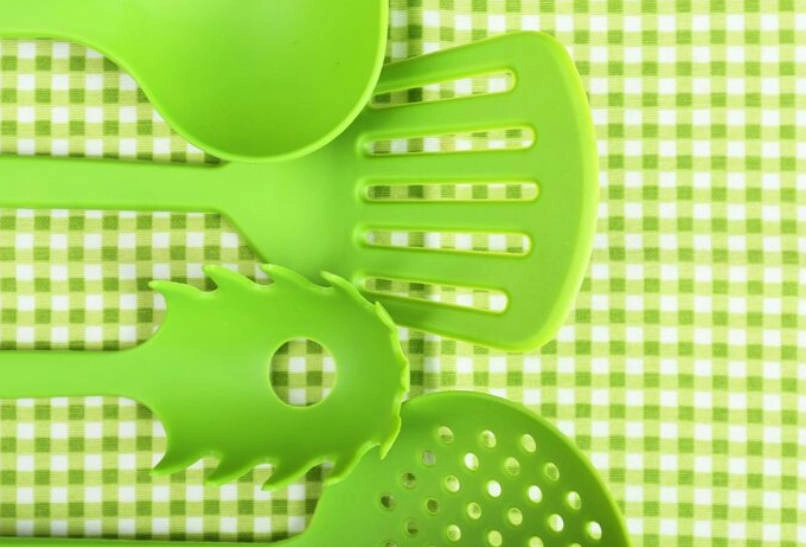
Silicone’ sự linh hoạt và an toàn cho phép nó bật lên trong tất cả các loại công cụ nhà bếp:
- Bánh nướng: Mats, muffin cốc, bánh loaf hộp, bánh chảo-they’ re không dính. Bỏ qua dầu hoặc giấy.
- Dụng cụ: Spatulas, muỗng, whiskes, tongs. Các silicone xử lý nhiệt và won’ t xước chảo của bạn.
- Bảo vệ nhiệt: Mitts, người giữ, trivets. Silicone giữ cho bỏng đi.
- Niêm phong và Gaskets: Quan trọng cho bếp nấu áp suất, máy trộn, máy cà phê, máy chế biến thực phẩm. Họ niêm phong chặt chẽ ngay cả dưới nhiệt độ.
- Chuyện lưu trữ: Túi bạn có thể tái sử dụng, nắp, vỏ kéo dài, khay băng. Cách tốt hơn so với vứt bỏ nhựa.
- Công cụ Niche: Túi ống, bàn chải cho nước sốt, thảm cho bánh mì hơi hoặc rau.
O-rings cao su silicone cũng hữu ích cho thực phẩm và y tế.
Lời khuyên về chất lượng và an toàn
Để tận dụng tối đa silicone nhà bếp và giữ cho mọi thứ an toàn, hãy tuân thủ các thói quen này:
- Chọn Platinum-Cured: Đi cho loại đó mỗi lần. Sạch hơn và tốt hơn với nhiệt.
- Tìm bằng chứng: Kiểm tra các tem hoặc tài liệu rõ ràng của FDA cho thấy nó đáp ứng 21 CFR 177.2600.
- Hãy theo dõi nó: Silicone mạnh mẽ vẫn bị mòn xuống cuối cùng. Vứt bất cứ thứ gì bị nứt, dính dán, không màu sắc, hoặc giữ mùi.
Chúng tôi’ đã nhận được rất nhiều giải thưởng và chứng nhận ngành công nghiệp. Nó cho thấy chúng tôi’ nghiêm túc về chất lượng.

Silicone an toàn thực phẩm kéo lại một hỗn hợp đặc biệt của điểm mạnh. Xử lý nhiệt tuyệt vời, không có độc tố, ổn định với hóa chất và khó khăn trong nhiều năm.
Nó’ dễ định hình, vì vậy các công ty làm mọi thứ từ khuôn chi tiết đến niêm phong rắn. An toàn không bao giờ giảm. Silica gel’ trang điểm và xây dựng cho nó những lợi ích mà những người khác đấu tranh để phù hợp: hấp thụ mạnh mẽ, hiệu suất nhiệt đáng tin cậy, hóa học ổn định, sức mạnh rắn. So với nhựa (có thể rò rỉ hóa chất xấu), cao su (mòn nhanh), hoặc kim loại (không linh hoạt), silicone tốt xuất hiện trên cùng.
CASINDA vẫn cam kết vững chắc bánh răng silicone nhà bếp. Được hỗ trợ bởi chứng nhận ISO 9001: 2015 và ISO 14001: 2015. Chúng tôi sử dụng máy tiên tiến cho đúc silicone lỏng chính xác. Cũng như thiết bị kiểm tra chuyên nghiệp như máy đo độ cứng và máy kiểm tra tải.
Tất cả những gì đảm bảo sản phẩm của chúng tôi đạt điểm cao về an toàn và chất lượng. Muốn các công cụ nhà bếp đáng tin cậy kéo dài và giúp môi trường? Lấy silicone được chứng nhận bằng bạch kim từ các thương hiệu bạn tin tưởng, như CASINDA. Động thái thông minh.
Câu hỏi thường gặp
Q: Silicone nhà bếp có an toàn xung quanh thực phẩm không?
A: Tất nhiên. Silicone nhà bếp an toàn thực phẩm không có độc tố và giữ trống. Các quy tắc như FDA 21 CFR 177.2600 hỗ trợ nó. Không có gì giống như BPA hoặc phthalates bị rò rỉ.
Q: Tại sao chọn silicone cứng bằng bạch kim cho đồ dùng nhà bếp?
A: Nó’ sạch hơn tổng thể. Xử lý nhiệt tốt hơn, kéo dài nhiều hơn, và hầu như không có rỉ rỉ. Đánh bại bàn tay chữa trị peroxide xuống.
Q: Silicone nhà bếp có thể nóng đến mức nào?
A: Những thứ tốt đi từ -60 ° C đến 230 ° C hoặc cao hơn. An toàn trong lò, lò vi sóng, tủ đông - không có vấn đề.
Q: Làm thế nào tôi biết silicone nhà bếp của tôi là an toàn thực phẩm hợp pháp?
A: săn kiếm nhãn FDA, dấu hiệu chữa trị bằng bạch kim hoặc chứng nhận. Những thứ thực sự không có mùi. Nhẹp hoặc xoay nó - không có chất điền trắng xuất hiện.

 Vietnamese
  English
  Arabic
  French
  German
  Italian
  Japanese
  Korean
  Portuguese
  Russian
  Spanish