
Is Silicone Safe for Body Long Term Use?
Silicone plays a key role in today’s medical tools and everyday items. You see it in implants and fitness bands alike. People still ask: Is silicone safe for long-term use on the body? Clear facts about body-safe grades help sort real risks from rumors. Engineered mixes such as body safe silicone for molding and body safe silicone mix earn trust in clinics because they pass strict checks.
What Does “Body Safe Silicone” Actually Mean?
The term points to special formulas made for long skin or tissue contact. Medical-grade silicones are polysiloxane polymers that stay stable and cause little reaction. They stand apart from factory or kitchen grades. Factory types often hold fillers that irritate skin. Kitchen grades only handle brief food touch.
Rules like ISO 10993 and FDA 21 CFR 177.2600 set limits on cell harm, allergy risk, and body-wide effects. These rules keep the body safe silicone for casting safe inside the body. CASINDA follows every step so each batch meets global standards.
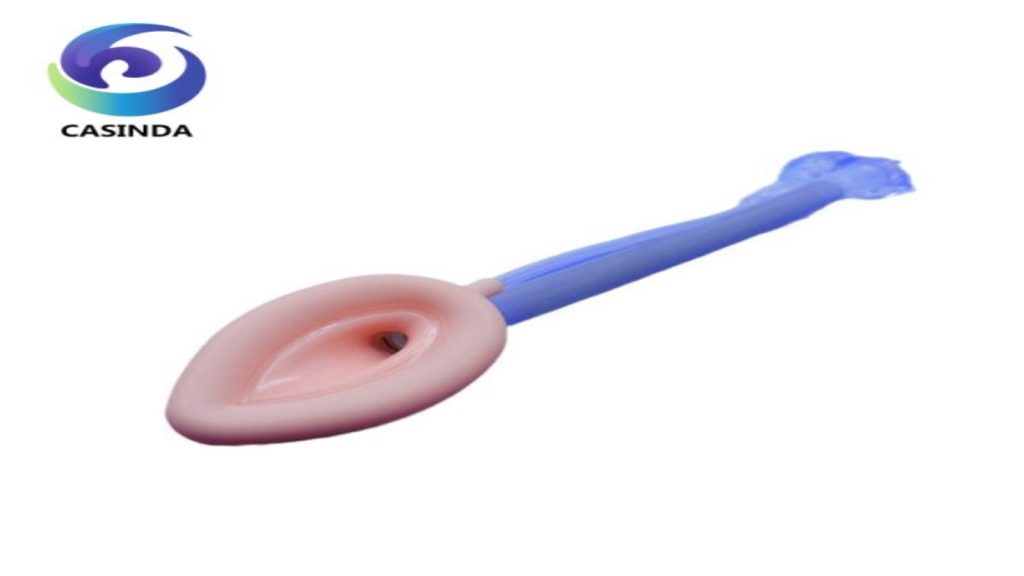
How Does Silicone Interact with the Human Body Over Time?
The Si–O–Si chain in silicone resists water and air even under body heat and enzymes. Crosslinked versions keep their stretch across heat swings and pH shifts. Time in place, warmth, and local body chemistry affect the surface only. The core polymer stays whole.
Extra surface steps cut protein build-up and germ growth. CASINDA tunes crosslink levels to keep both bend and strength. The result works well in wearables or inside devices.
Are There Documented Health Risks from Long Term Silicone Exposure?
Many studies on implants show clean silicones stay quiet in tissue. Early worries about leakage came from old mixes with leftover bits. New body-safe types finish the cure fully, so no free chemicals remain.
Tests find no big body effects even after years inside. Experts agree these silicones rank low in harm compared with other medical plastics.
Myths Surrounding Body Safe Silicone Materials
Why Do Some Believe Silicone Is Unsafe for Long Term Use?
Doubt grew from old breast-implant cases in the 1990s. Those early mixes lacked today’s cleaning steps and test rules. Partial early reports spread fast, even though later work proved safety.
Current body safe silicone mix versions use higher purity and tighter controls plus full checks.
Does Body Safe Silicone Degrade or Break Down Inside the Body?
Silicone rubber fights enzyme attack because body enzymes cannot split Si–O links. Sun or high heat may dull the surface after many years, yet the inside holds under normal body conditions.
Lab runs show CASINDA grades keep their strength after long heat and soak tests. This supports steady skin or tissue use.
Can Allergic Reactions Occur with Body Safe Silicone?
Real medical silicones rarely trigger an allergy because they lack the monomers or softeners that bother skin. Any red spot usually traces to outside dirt, not the material. CASINDA runs clean rooms and liquid molding to stop additive movement.
A trained team plus scales, hardness meters, and life testers check every lot for purity before it leaves.
The Science Behind Body Safe Silicone Performance
How Is Biocompatibility Tested for Body Safe Silicone?
ISO 10993 lists clear steps for cell tests, allergy checks, irritation, and long implant studies. Both lab dishes and animal models track tissue response. CASINDA repeats these checks on each run to hold steady quality.
What Makes CASINDA’s Body Safe Silicone Scientifically Reliable?
Proprietary Material Engineering Principles
The R&D group adjusts crosslink density for good stretch without loss of pull strength. This fit lets body-safe silicone for molding serve in seals, sensors, and more.
Quality Control and Traceability Systems
Each lot carries full records under ISO 9001:2015. CASINDA also holds ISO 14001:2015. Feedback from tests drives steady upgrades in mixing and molding.
How Does Body Safe Silicone Compare to Other Biocompatible Materials?
Comparison with Thermoplastic Elastomers (TPE) and Polyurethanes (PU)
TPEs and PUs can soak water and weaken over time. Silicone stays steady in damp heat. It keeps bouncing after millions of bends and suits moist skin contact.
Long-Term Stability Advantages
The non-carbon backbone gives better resistance to oxygen than most plastics. That is why it lasts in pacemakers, false limbs, and motion sensors for years.
Evaluating Long Term Safety Data on Body Safe Silicone Use
What Do Clinical Studies Reveal About Decades Long Exposure?
Large reviews of implant cases show that only normal thin scar tissue forms. This is a natural shield, not a problem. Wear shows up at joints, not inside the silicone.
These results explain why teams still pick body-safe silicone mix for parts that must last and stay neutral.
How Do Regulatory Bodies Assess the Long-Term Safety of Silicone Materials?
The FDA, EMA, and ISO groups require full test packs before sale. Later tracking through registries keeps watch on real-world results. CASINDA folds these checks into every product stage.
FAQ
Q: Is body safe silicone truly non-toxic for long-term use?
A: Research shows well-made grades stay inert and safe in normal body settings. No harmful release or whole-body effects appear over long periods.
Q: Can body-safe silicone cause allergic reactions or skin sensitivity?
A: Medical-grade types are hypoallergenic. Redness, when seen, usually comes from outside residue. CASINDA’s clean process and molding checks remove that risk.
Q: How long can body-safe silicone remain stable inside the human body?
A: With the right density, these grades hold shape and strength for decades. That makes them fit for body safe silicone for casting in molds and coatings.
Q: Is there any difference between food-grade and body-safe silicone safety levels?
A: Yes. Both avoid harm, yet body-safe grades face tougher tissue-contact tests meant for long wear, not short food use.
Q: Why do experts trust CASINDA’s body-safe silicone materials for long-term applications?
A: CASINDA has paired polymer know-how with ISO systems since 2017. ODM and OEM work covers every step from the first sample to the full run. Full records back each part’s steady performance.

 English
  Arabic
  French
  German
  Italian
  Japanese
  Korean
  Portuguese
  Russian
  Spanish
  Vietnamese