
Exploring the Connection Between Feeding Tools and Sensory Development
Why Does the Design of a Baby Feeding Bowl Matter?
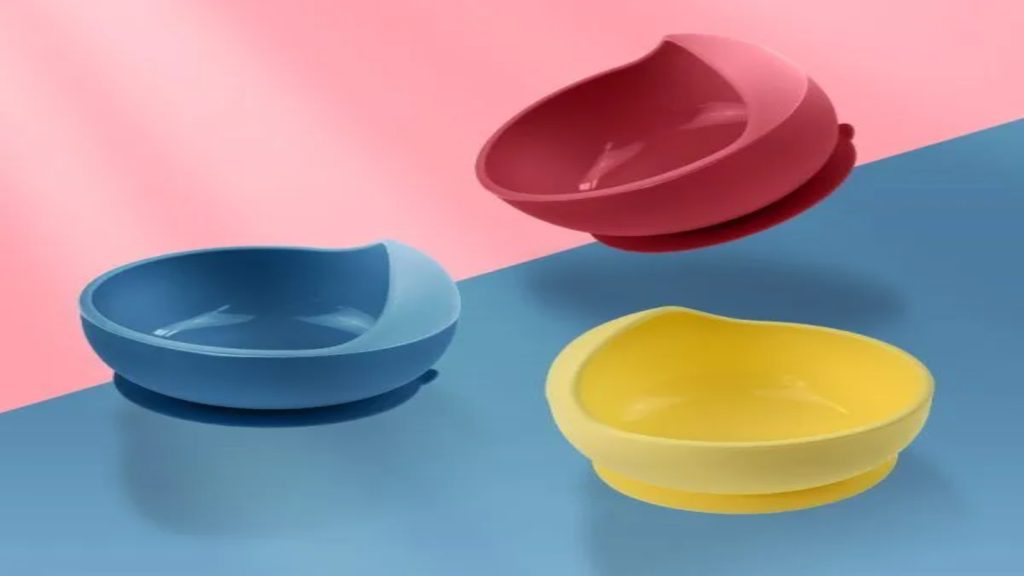
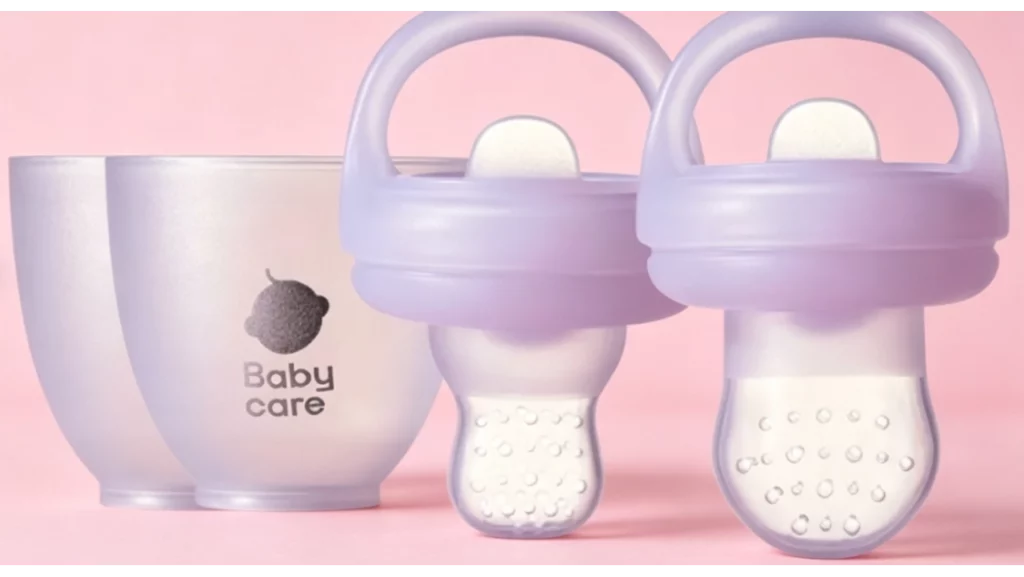
The design of a baby feeding bowl holds an important part in helping early sensory growth. Its form, feel, and substance shape how infants deal with food. This sparks hands-on involvement and wonder. User-friendly forms help babies hold and lift food with less effort. They also encourage self-reliance and eye-hand teamwork. A thoughtfully made bowl brings sensory discovery through touch, vision, and noise when tools hit varied spots. For instance, silicone’s mild but bendy surface gives light pushback. This aids babies in honing their movement skills as they learn to eat alone
How Sensory Development Shapes Self-Feeding Skills
Sensory growth stands at the core of self-feeding achievement. Babies build their precise movement skills by often holding spoons or checking food feels with fingers. Each hands-on moment shows them how to handle force and connect hands to mouth. Trying different feels—creamy blends, tender fruits, or rough grains—betters movement planning. It also raises assurance during meals. When eating turns into a multi-sense task, babies gain interest in fresh foods. In addition, they learn to like eating by themselves.
The Role of Silicone in Modern Baby Feeding Solutions
What Makes Silicone a Preferred Material for Baby Bowls?
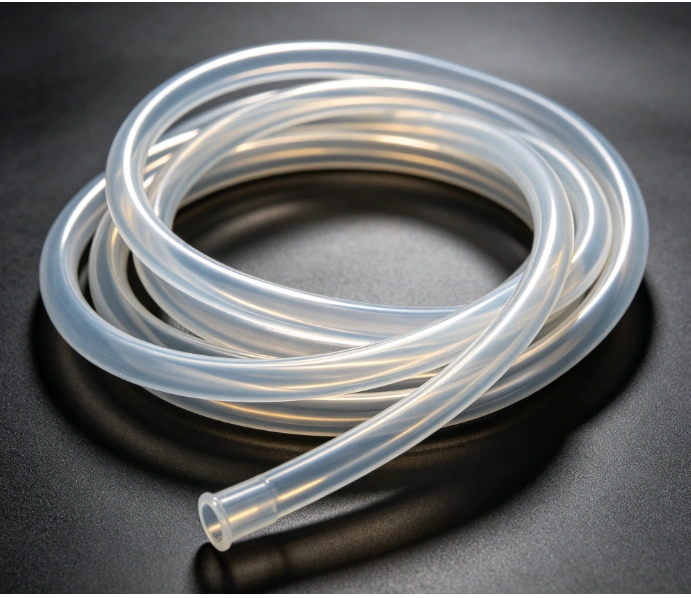
Silicone now serves as the top option for today’s baby feeding items. It mixes safety, lasting power, and bendiness in a special way. The material stays soft to shield tender gums. Yet it holds up well for everyday handling. Crafted from food-grade silicone free of BPA (Bisphenol A), ensuring every sip is safe and non-toxic. This trait suits items that touch food directly. Moreover, silicone’s heat tolerance lets parents offer warm or cold dishes without risk. It also eases washing tasks. You can sterilize it with little trouble.
The grip-friendly quality of silicone cuts down on spills—an vital trait as babies start their self-feeding path. These elements stop annoyance at meals. As a result, they help build good links to eating.
Comparing Silicone Bowls with Other Materials
Compared to other stuffs like plastic or glass, silicone gives better safety and usefulness. Plastic bowls can wear out after time. Or they might hold bad chemicals that seep into food. Glass and ceramic picks, while classy, break easily and bring shatter dangers near young ones. Silicone finds the ideal mix of bend, toughness, and long life—a substance that fits smoothly to both growth wants and full family days.
Design Elements That Encourage Self-Feeding Success
Key Features That Support Learning Through Play
Suction Base Stability
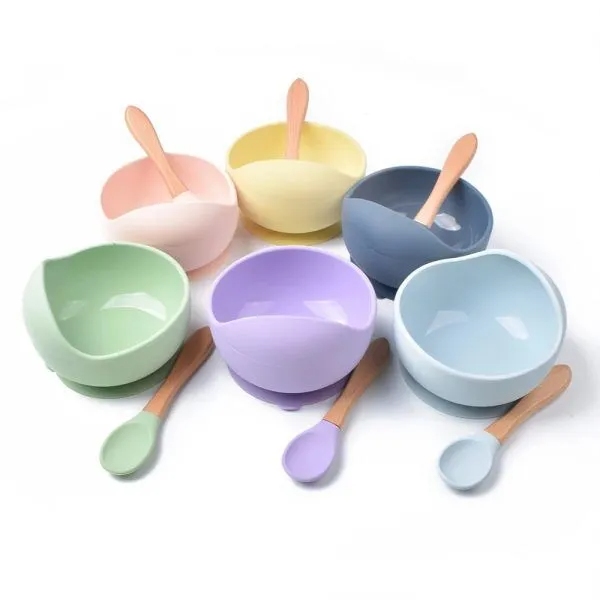
A firm suction base holds the bát cho ăn silicone cho bé steady on highchair trays or tables. This steadiness stops tipping or shifting as babies try lifting food on their own. It lifts their boldness without needing grown-up help every moment.
Rounded Edges and Deep Curves
Smooth edges lead spoons toward the bowl’s middle in a natural way. This helps cut mess and improves the match between hand action and mouth spot.
Color and Visual Stimulation
Vividly hued bowls grab notice and boost sight involvement at meals. Varying shades aid babies in telling foods apart more simply. This stirs eagerness to try tastes alone.
How Tactile Design Enhances Sensory Engagement
Textured Surfaces for Touch Exploration
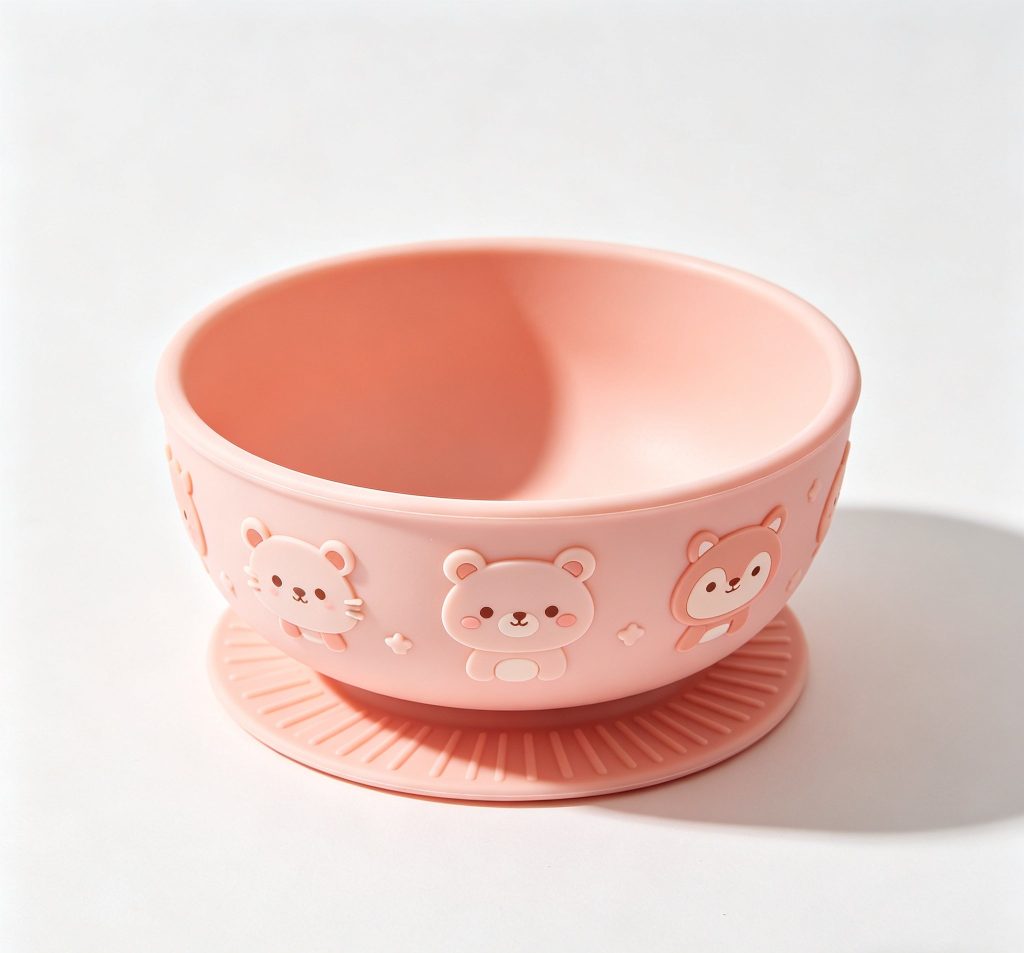
Patterned areas prompt babies to sense varied designs while eating or toying with food. These feels wake brain routes linked to touch sense. They build precise movement growth through response links between fingers and mind.
Soft Flexibility for Safe Handling
Silicone’s mild bend gives secure pushback when held or pushed—showing force management key for tool use in the future.
Integrating Baby Silicone Feeding Bowls into Daily Routines
How Can Parents Encourage Independent Feeding?
Parents can nurture self-reliance by giving small amounts in silicone bowls easy for tiny hands to use. Letting babies check food feels with both hands boosts sensory lessons. It also grows trust in self-feeding skills. Keeping regular meal times strengthens routine—a main element in building sound eating ways.
Common Challenges During Self-Feeding Practice (and How to Overcome Them)
Mess Management Strategies
Meal spills come as no surprise but can be handled with smart planning. Using silicone mats with bowls makes tidying simple. Both wipe clean or fit in the dishwasher.
Encouraging Picky Eaters Through Sensory Play
Adding new foods slowly in known silicone bowls brings ease via sameness. Usual feels and colors help lower worry about odd tastes.
CASINDA’s Commitment to Baby Feeding Innovation
Who Is CASINDA?
At CASINDA, we work hard to make safe, practical, and growth-helping baby feeding goods from fine silicone materials. Our drive matches our know-how in silicone making at its best. We back it with modern setup like oil molding and liquid molding systems built for exact results.
We use expert sản xuất gear (oil molding). It makes sure steady quality in all baby feeding pieces we create—including our key baby silicone feeding bowl series.
Features of CASINDA’s Baby Silicone Feeding Bowls That Support Sensory Growth
Thoughtful Design for Learning Independence
Every CASINDA bowl comes with a steady suction base that cuts spills in practice times—letting babies center on gaining skill in teamwork instead of dodging mishaps.
Safe Materials for Everyday Use
Our goods come from food-grade silicone without BPA, PVC, and phthalates—making sure safety at each meal. They also meet world quality rules checked by ISO 9001:2015 steps in our company work.
Aesthetic Appeal Meets Functionality
CASINDA’s fresh color choices fit sensory boost rules while matching modern home looks—turning meals into a fun yet neat event for families around the globe.
FAQ
Q:Are silicone feeding bowls safe for babies?
A: Yes. Fine baby silicone feeding bowls from food-grade materials lack bad chemicals like BPA or phthalates. They’re heat-tolerant, tough, and simple to clean after each use.
Q:When should I introduce a silicone feeding bowl to my baby?
Parents can start with a baby silicone feeding bowl near six months old—often when young ones show curiosity in solids or try self-feeding moves.
Q:How do I clean and maintain a baby silicone feeding bowl?
A: Just wash the bowl in warm soapy water or put it in the dishwasher after meals. Steady cleaning stops leftover bits while keeping health rules fit for daily use in all Casinda goods made for growing homes.
 Vietnamese
  English
  Arabic
  French
  German
  Italian
  Japanese
  Korean
  Portuguese
  Russian
  Spanish